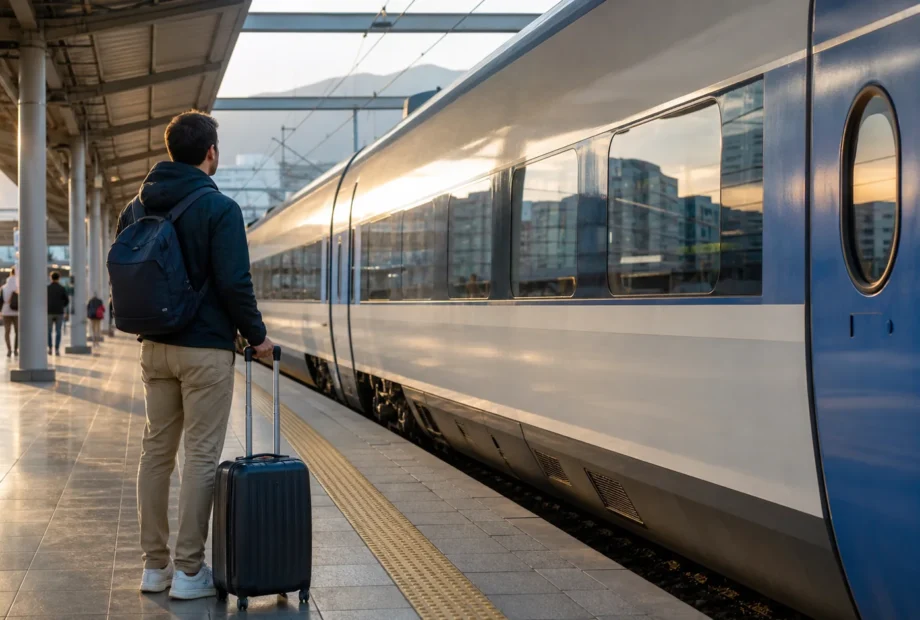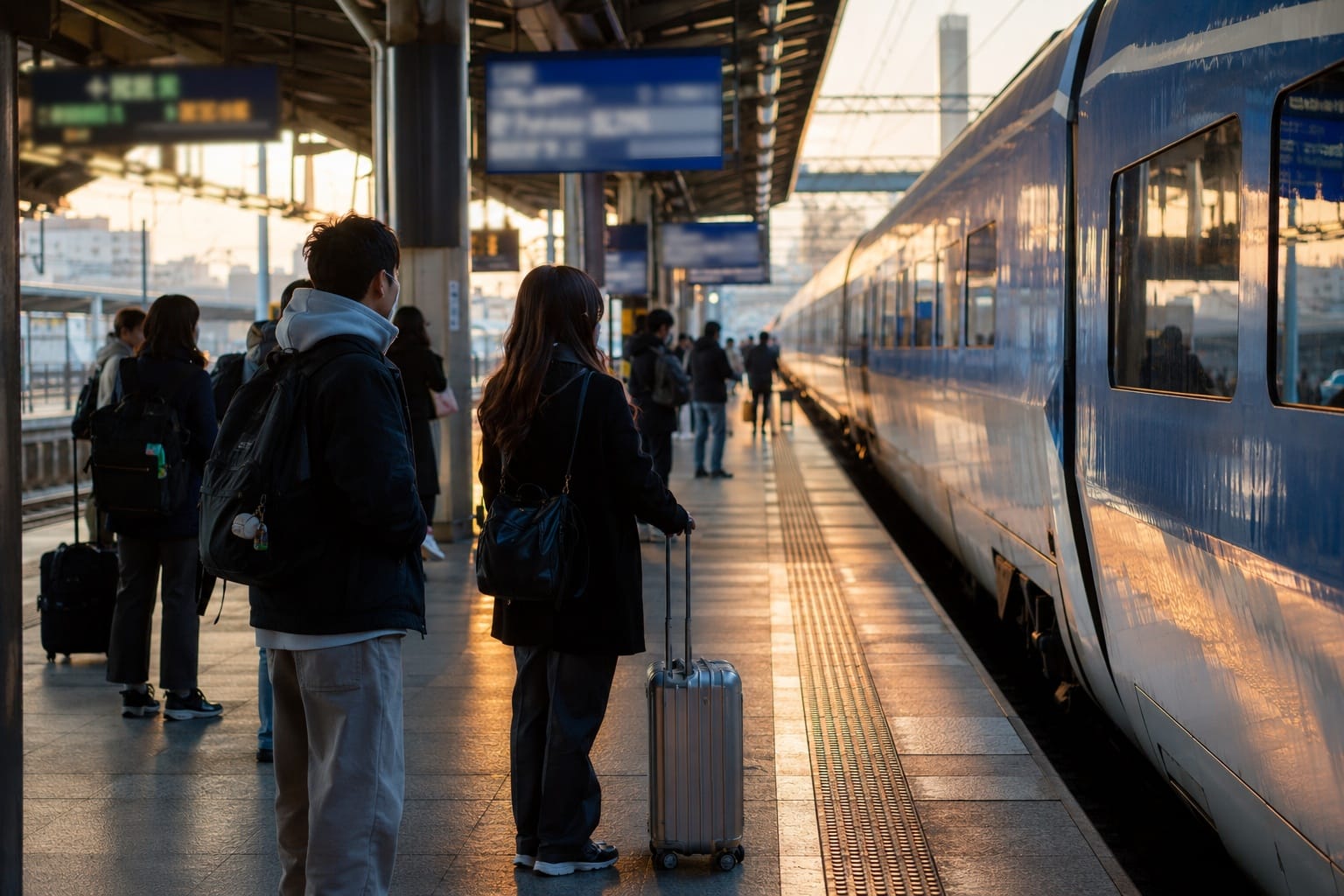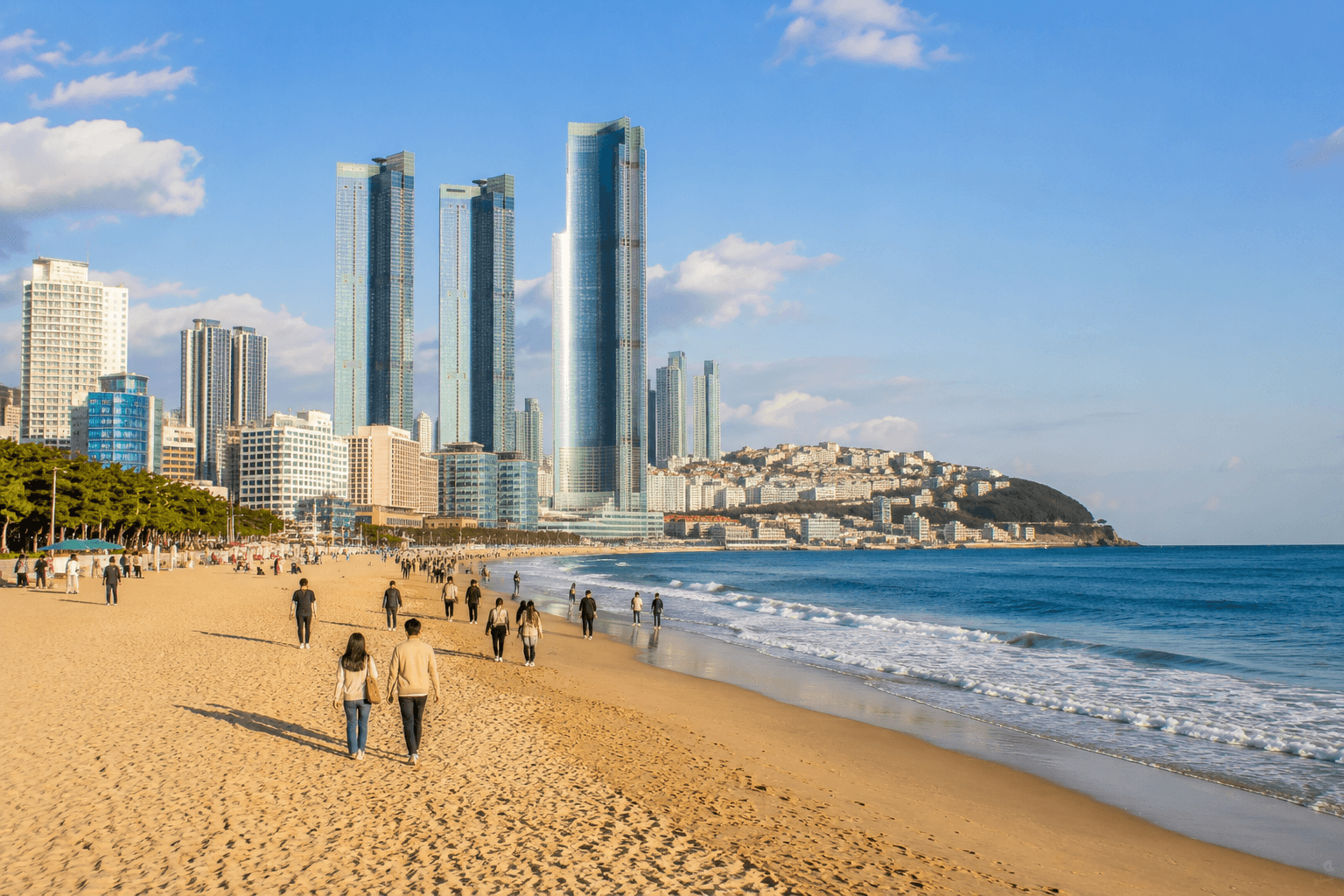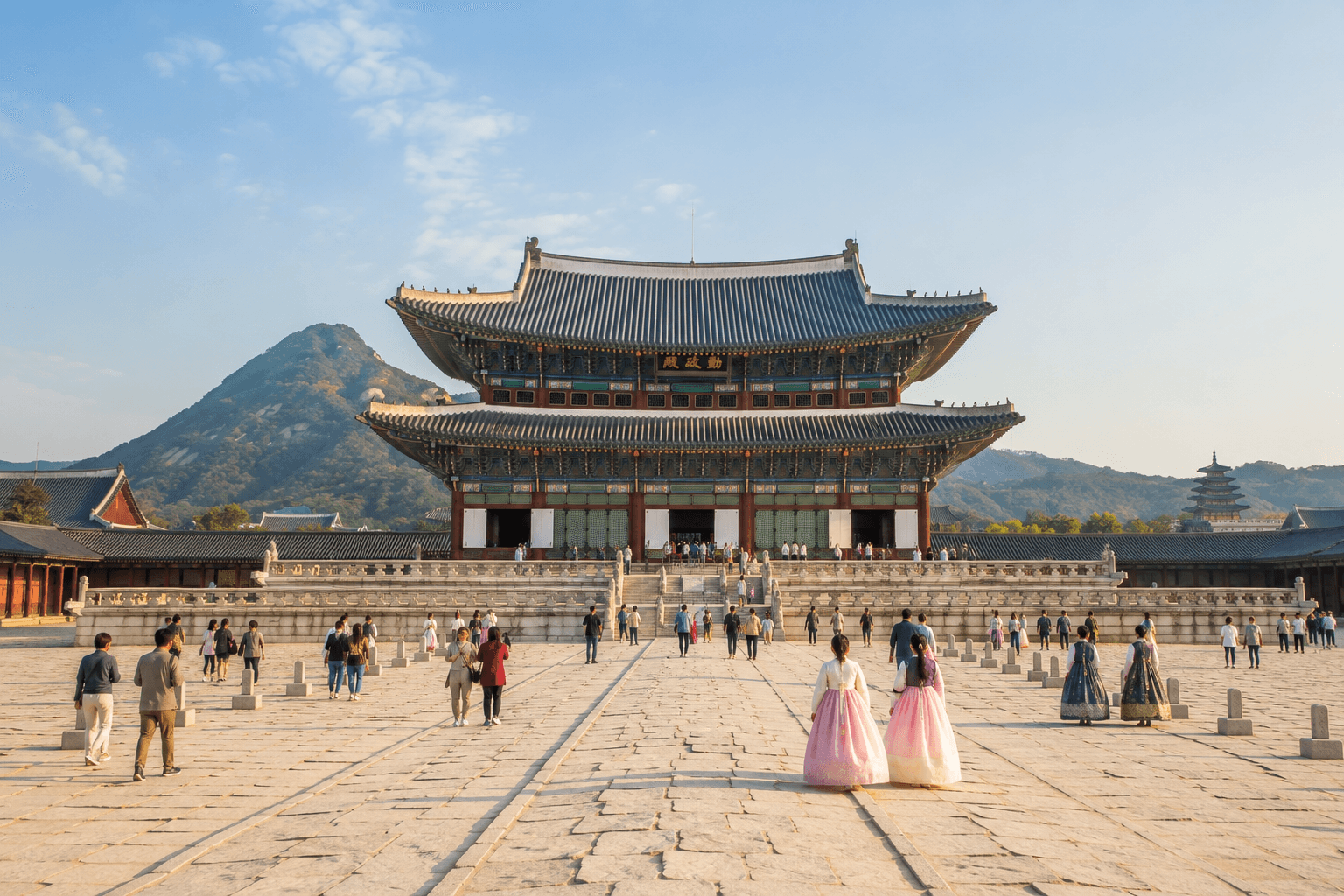
Planning your first trip to Seoul can feel overwhelming.
The city is enormous, packed with attractions, and full of neighborhoods that each offer a completely different experience.
Many first-time visitors arrive with a long checklist of places they want to see. A few days later, they realize that some of their favorite memories come from places they never planned to visit at all.
Some of the strongest memories may be a quiet café in a hidden alley, a sunset walk by the river, or a neighborhood discovered by accident while looking for lunch.
This 5-day Seoul itinerary is designed for travelers visiting Seoul for the first time. It covers the city’s most famous landmarks while leaving enough room to enjoy the atmosphere that makes Seoul special.
Five days or three? This plan assumes five full sightseeing days. If you have only three usable days, start with our Seoul 3-day itinerary instead of squeezing all five days into three. Count arrival and departure days by the time you can actually spend exploring, not just the dates on your booking.
Table of contents
Why Spend 5 Days in Seoul?
Five days gives you enough time to experience several different sides of Seoul.
You will see royal palaces and traditional neighborhoods, explore shopping districts and café streets, and experience both historic and modern Seoul without forcing every landmark into the same day.
Last checked: August 25, 2026. Opening hours and temporary closures can change, so use the official links near the end of this guide before you set off.
The 5-Day Route at a Glance
| Day | Area | Main route | Pace |
|---|---|---|---|
| 1 | Jongno | Gyeongbokgung → Bukchon → Insadong → Ikseon-dong | Walking-heavy |
| 2 | Central Seoul | Namdaemun → Myeongdong → Dongdaemun | Shopping and food |
| 3 | Mapo | Yeonnam → Hongdae → Mangwon → Hangang Park | Late start, late finish |
| 4 | Eastern Seoul | Seoul Forest → Seongsu → Ttukseom Hangang Park | Relaxed and flexible |
| 5 | Yongsan and Namsan | Museum or revisit → Namsan → N Seoul Tower | Weather-friendly |
The order is built around geography, not a contest to see how many subway transfers you can survive before lunch. Most days stay on one side of the city, leaving enough time to sit down for a meal and occasionally take the wrong exit—which is practically a Seoul initiation ceremony.
Before You Lock the Days In
Do not automatically make Day 1 your Tuesday. Gyeongbokgung normally closes on Tuesdays; Changdeokgung, Deoksugung and Changgyeonggung normally close on Mondays. When a regular closing day is a public or substitute holiday, the palace opens and closes on the next non-holiday day instead. Check the official palace schedule, then swap whole days rather than rebuilding the itinerary stop by stop.
Keep Bukchon in daylight. Tourist access to the designated Red Zone is restricted from 5:00 p.m. until 10:00 a.m. the next day. Visit between 10:00 a.m. and 5:00 p.m., keep voices low, and remember that the most photographed doors are still somebody’s front doors.
Give the river a movable slot. If heavy rain, poor air quality, or extreme heat arrives, move the Hangang block to the clearest evening. Use the National Museum of Korea, COEX, or a longer café-and-shopping stop as the indoor replacement. The National Museum of Korea has free permanent galleries, but not an identical opening calendar to every other museum. Check its specific viewing-hours and gallery-closure page before using it as your rainy-day backup.
For transport, a rechargeable T-money card is the simplest default. A five-day Climate Card can be good value for frequent rides, but airport transport and coverage rules matter. Read the Seoul subway guide before choosing, and compare the full trip cost in the Seoul budget guide.
Day 1: Royal Palaces and Traditional Seoul
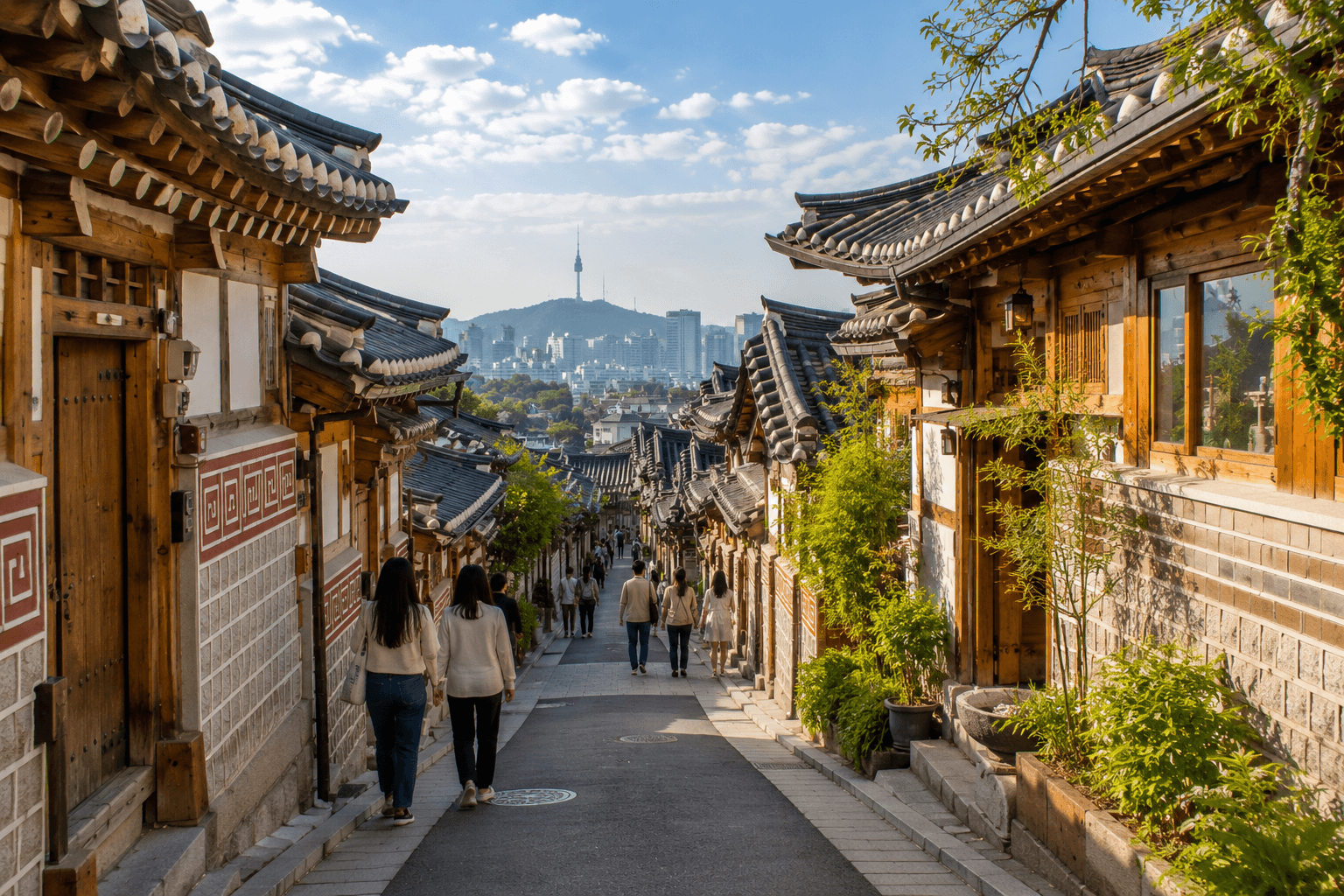
Morning: Gyeongbokgung Palace
Start your Seoul adventure at Gyeongbokgung Palace, the largest and most famous royal palace in Korea.
Many visitors are surprised by how peaceful the palace feels despite being located in the center of a busy city.
Start near 9:00 a.m. if you want the palace before the busiest part of the day. Regular Gyeongbokgung closing time is 6:00 p.m. in March–May and September–October, 6:30 p.m. in June–August, and 5:00 p.m. in November–February; admission ends one hour earlier. Check the linked official calendar for closures and special openings before fixing Day 1.
The changing of the royal guard ceremony is also worth seeing if your schedule allows. Check the current program notice for weather or special-event changes rather than treating a saved performance time as a guarantee.
Late Morning: Bukchon Hanok Village
A short walk from the palace leads to Bukchon Hanok Village.
This historic neighborhood is one of the few places where visitors can still experience traditional Korean architecture surrounded by modern Seoul.
The narrow streets and hillside views make it one of the city’s most photographed areas.
Visit Bukchon’s designated Red Zone only between 10:00 a.m. and 5:00 p.m. The official notice defines the zone around Bukchon-ro 11-gil and lists a KRW 100,000 fine for tourist visits outside the permitted hours. This is not a blanket closing time for every street in Bukchon. Follow the boundary signs; the neighborhood is residential, not an open-air set.
Afternoon: Insadong
Continue to Insadong, one of Seoul’s most popular cultural districts.
Traditional tea houses, craft shops, art galleries, and souvenir stores fill the neighborhood.
It’s an excellent place to slow down after a busy morning of sightseeing.
Many visitors enjoy simply wandering through the side streets rather than following a strict plan.
Evening: Ikseon-dong and Dinner
Walk from Insadong toward Ikseon-dong, where compact hanok lanes contain restaurants, tea rooms, and small bars.
Choose dinner here or around Jongno 3-ga. Keeping the evening in the same part of central Seoul avoids an unnecessary cross-city transfer after a walking-heavy palace day.
Day 2: Shopping and City Energy
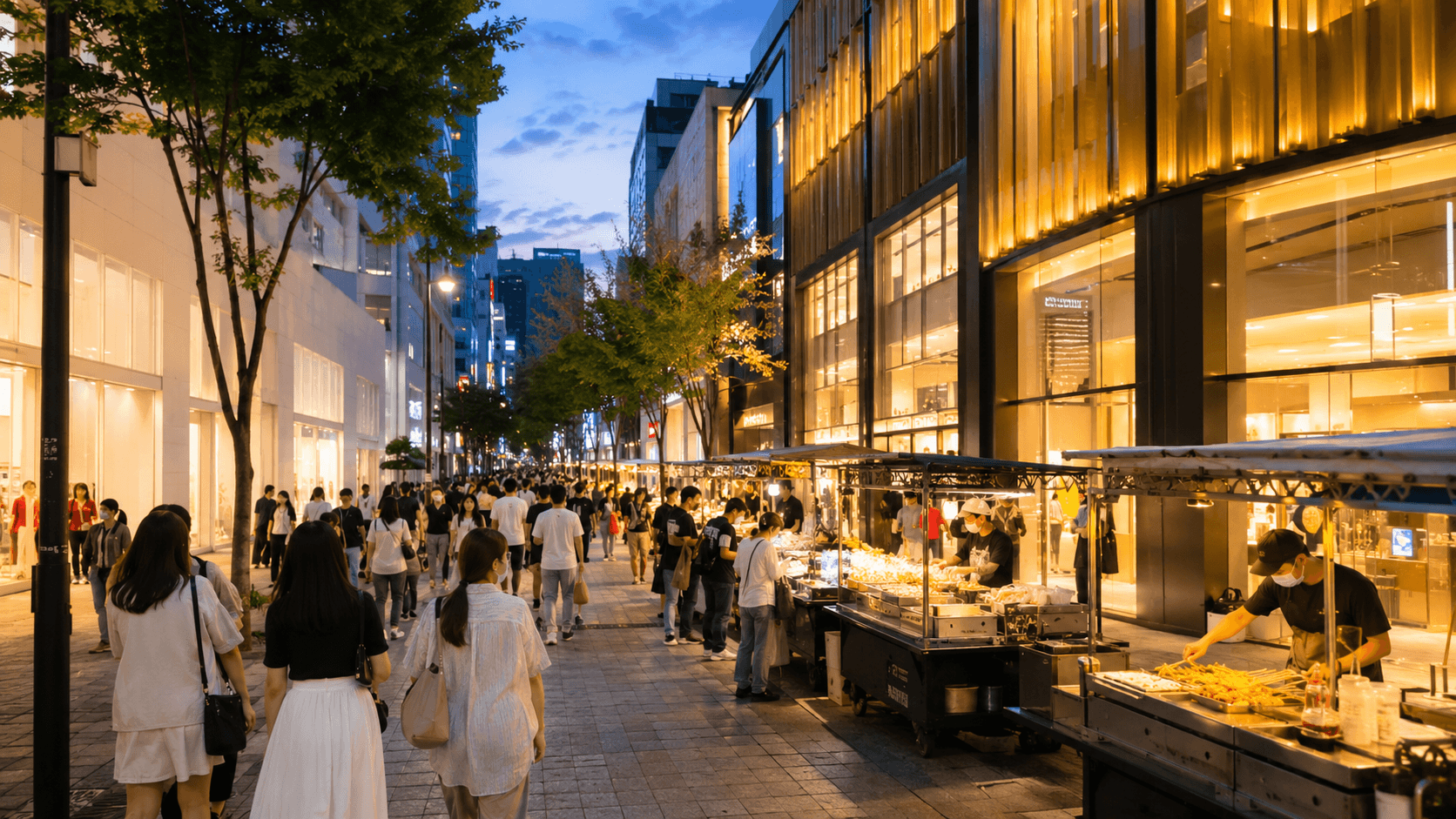
Morning: Namdaemun Market
Start at Namdaemun Market, which is more active in the morning than Seoul’s fashion and cosmetics districts.
Browse the food alleys and household-goods lanes, then walk or take one short subway stop toward Myeongdong. Individual vendors keep different hours, so treat breakfast stalls and specific shops as flexible rather than guaranteed.
Afternoon: Myeongdong
Continue to Myeongdong after late morning, when more cosmetics stores, cafés, and restaurants are open.
Use the afternoon for shopping, lunch, and Myeongdong Cathedral. If shopping is not a priority, shorten this stop and choose nearby Deoksugung Palace or the Seoul Museum of Art’s Seosomun branch. Both normally close on Mondays, so check the palace holiday exception and the museum’s own calendar separately. An indoor backup is only useful when its doors are open.
Evening: Dongdaemun and DDP
Finish at Dongdaemun and Dongdaemun Design Plaza. The architecture and plaza lighting are strongest after dark, while market and mall hours vary by building and day.
This order follows how the districts wake up: a traditional market in the morning, retail in the afternoon, and illuminated architecture at night.
Day 3: Youth Culture and Riverside Seoul
Late Morning: Yeonnam-dong and Hongdae
Begin around 10:30 or 11:00 a.m. in Yeonnam-dong, then walk toward Hongdae. Many cafés and independent shops open later than palaces and traditional markets, so there is little benefit in arriving at sunrise.
Use the late morning and lunch period for Gyeongui Line Forest Park, side streets, small boutiques, and one café rather than trying to visit every viral address.
Afternoon: Mangwon Market
Take a short subway ride or walk toward Mangwon Market for snacks and a more local neighborhood atmosphere. Buy only what you can carry comfortably to the river and dispose of all packaging responsibly.
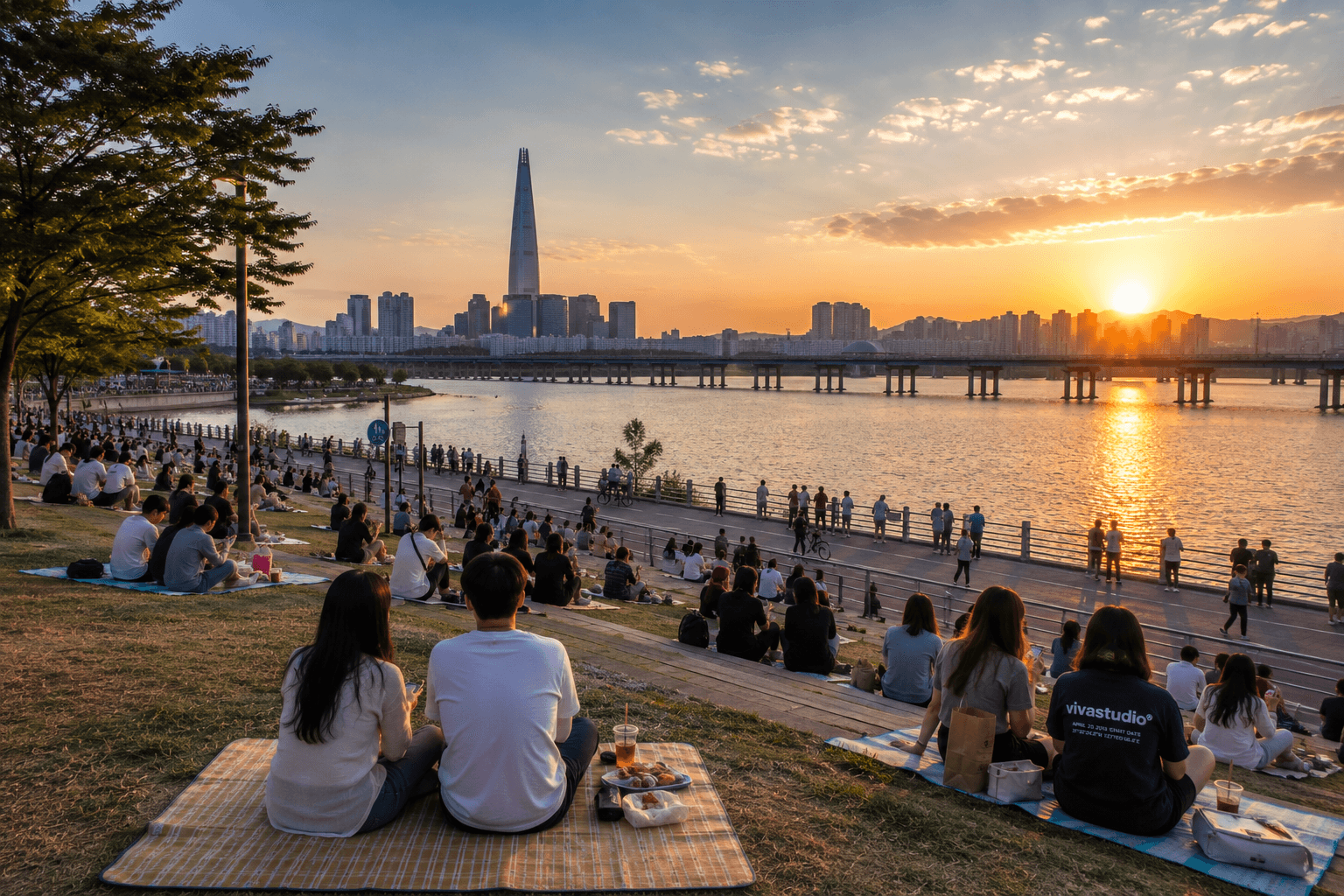
Sunset: Mangwon Hangang Park
Continue to the Han River for a riverside walk or picnic. Check the weather before committing to a long outdoor evening, and keep an indoor alternative for heavy rain, extreme heat, or poor air quality.
If you still have energy, return to Hongdae after sunset for dinner or live music. Otherwise, finish at the river and keep the day intentionally light.
Day 4: Trendy Seoul and Hidden Neighborhoods
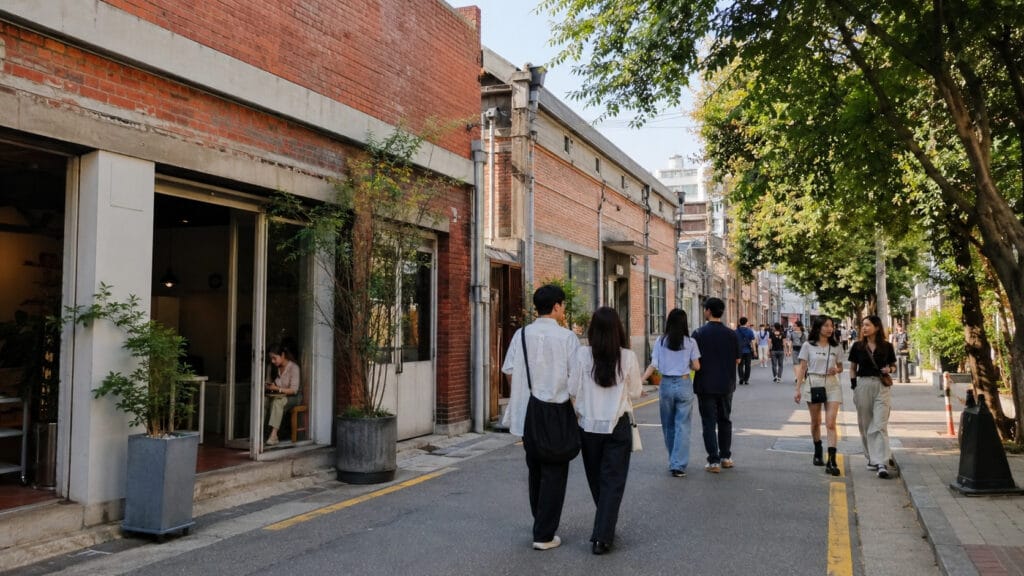
Late Morning: Seoul Forest
Start with a walk in Seoul Forest before the shopping streets become busy. The park gives the day a calmer beginning and places you beside Seongsu rather than requiring another long transfer.
Afternoon: Seongsu-dong
Continue into Seongsu-dong for lunch, converted warehouses, design stores, cafés, and pop-up spaces.
Pop-ups change quickly and often require reservations or queues. Treat them as optional discoveries rather than the foundation of the day, and check the brand’s current announcement before crossing the city for one event.
Evening: Ttukseom Hangang Park
End on the east side of the city at Ttukseom Hangang Park. The river, bridges, and night skyline create a natural finish without sending you back across Seoul to Ikseon-dong, which now fits more logically into Day 1.
In bad weather, replace the river with an exhibition, department store, or longer dinner around Seongsu.
Day 5: Views, Reflection, and a Perfect Farewell
Morning: Museum or Missed Neighborhood
Use the final morning for one substantial place rather than a collection of leftovers. Choose the National Museum of Korea, the War Memorial of Korea, or one neighborhood you wanted to revisit.
A museum is the safer choice in rain, extreme heat, or winter cold. A neighborhood revisit works better when your flight or train schedule requires flexibility.
The National Museum of Korea’s current hours are 9:30 a.m.–5:30 p.m. on Monday, Tuesday, Thursday, Friday and Sunday, and 9:30 a.m.–9:00 p.m. on Wednesday and Saturday; admission ends 30 minutes before closing. Permanent and special galleries have maintenance closures on the first Monday of March, June, September and December, with an exception listed for March 2026. Check museum-wide holidays and temporary gallery notices too; opening the building does not mean every gallery is available.
The War Memorial’s official tourism listing gives Mondays as a closing day. Check its operator calendar for holiday changes and exhibition-room access before choosing it. These museums are alternatives, not two stops you need to squeeze into one farewell morning.
Afternoon: Namsan and Myeongdong
Move toward Namsan in the afternoon, leaving luggage at your accommodation or a staffed storage facility. Allow extra time for hills, queues, and the transfer to the cable car or bus.
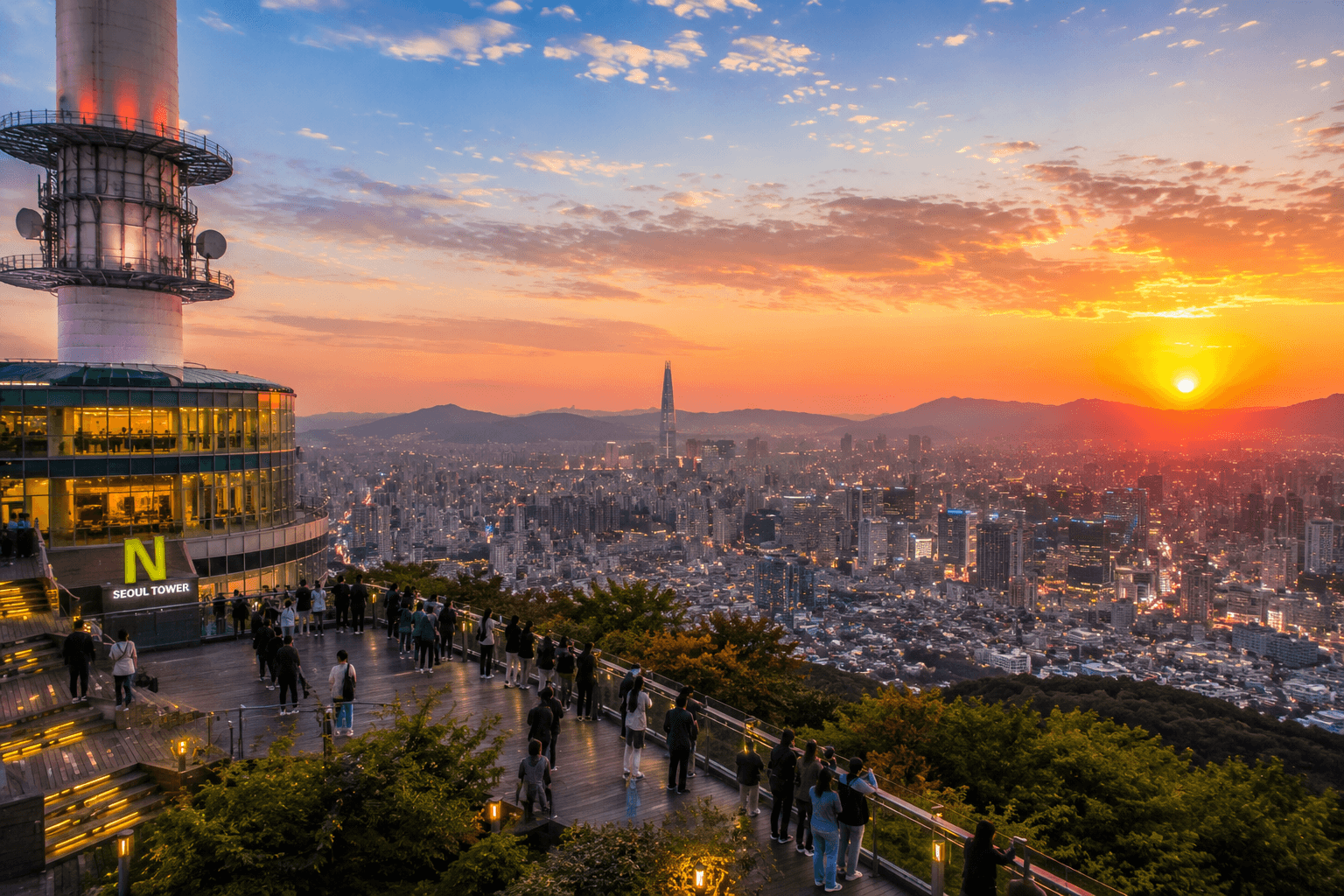
Evening: N Seoul Tower
Finish at N Seoul Tower. The outdoor plaza offers city views without an observatory ticket, while the paid observation deck gives a higher indoor viewpoint.
The observatory operator currently lists 10:00 a.m.–10:30 p.m. on weekdays and 10:00 a.m.–11:00 p.m. on weekends and holidays, with admission ending 30 minutes before closing. Recheck the current notice and visibility before paying. Cable-car operations and queues are separate; an observatory ticket is not a shortcut through that line.
Keep the sunset finish only if you have another night in Seoul or a departure that genuinely leaves enough time. If you fly or take a train on Day 5, work backwards from the airline’s or operator’s arrival guidance, then allow for luggage collection and the transfer. Move Namsan to an earlier clear evening, or skip it. A farewell view should not become an airport sprint with better scenery.
Local Tips for First-Time Visitors
Leave Part of Each Day Unplanned
Many travelers try to visit every major attraction in Seoul and end up exhausted. Seoul is often more enjoyable when you leave time for spontaneous discoveries rather than filling every hour of your itinerary.
Download Navigation Before You Arrive
Install Naver Map or KakaoMap before arrival and download your hotel address in Korean. A working eSIM or roaming plan helps, but the real lifesaver is knowing which station exit you need before you surface on the wrong side of an eight-lane road.
Choose Neighborhoods, Not Just Attractions
Neighborhoods such as Seongsu-dong, Ikseon-dong, and Hongdae often become travelers’ favorite memories despite not being the places they originally planned to spend the most time.
Common Mistakes Travelers Make
Overloading Each Day
Trying to visit too many attractions in one day.
Seoul is larger than many visitors expect.
Staying Only in Myeongdong
Only spending time in Myeongdong.
While Myeongdong is popular, Seoul’s most interesting experiences are often found in its neighborhoods.
Ignoring Bukchon’s Visiting Hours
Planning sunrise or late-evening photos inside Bukchon’s restricted Red Zone.
Tourist visits in the Red Zone are limited to 10:00 a.m.–5:00 p.m., and fines apply outside those hours. Follow local signs, keep voices low, and do not block residential entrances.
Following Trends Instead of Your Interests
Adding a neighborhood only because it is fashionable.
Keep Seongsu if cafés, design shops and pop-ups appeal to you. Otherwise, use that part of the day for a museum, a favorite neighborhood or a slower pace. Skipping one district is not a travel mistake; this is a holiday, not a scavenger hunt.
Underestimating the Walking
Underestimating how much walking Seoul involves.
Comfortable shoes can make a huge difference.
FAQ
Is 5 days enough for Seoul?
Yes. Five days allows most first-time visitors to experience Seoul’s major attractions while still enjoying the city’s atmosphere.
Where should I stay in Seoul?
Many travelers choose Myeongdong, Hongdae, or areas with easy subway access.
Do I need cash in Seoul?
Most places accept cards, although carrying a small amount of cash can still be useful.
Is Seoul expensive?
Seoul can fit a wide range of budgets depending on where you stay and eat.
What is the best time to visit Seoul?
Spring and autumn are generally the most comfortable seasons.
Is Seoul safe for tourists?
Seoul is generally safe for visitors, but normal city precautions still apply. Watch belongings in crowded markets and nightlife areas, use marked taxis, and save 112 for police and 119 for fire or medical emergencies.
Official Links to Check Before You Go
Selected details checked: October 12, 2026 — palace hours and holiday-closure rules, Bukchon Red Zone boundaries and fine, National Museum of Korea viewing hours, War Memorial and SeMA closure guidance, and N Seoul Tower observatory hours. The August 25 date above applies to the earlier review of other details. This is not confirmation of every shop, pop-up, exhibition room, transport departure or weather-dependent activity.
Opening hours, neighborhood access rules, outdoor conditions, and transport operations can change. Check these official pages while finalizing each day:
- Royal Palaces and Tombs Center: palace hours and closure days
- Seoul Metropolitan Government: Bukchon visitor restrictions
- Seoul Metropolitan Government: Hangang Park guide
- Visit Seoul: Namsan Seoul Tower information
Related Guides
Gyeongbokgung Palace Guide 2026
Seongsu-dong Travel Guide 2026
Final Thoughts
Five days is enough to understand Seoul’s contrasts, but only when the itinerary respects geography and opening patterns. Palace districts work best early, shopping areas come alive later, and riverside plans need a weather alternative.
The most balanced first trip combines one or two major sights with time to walk, eat, and notice the neighborhoods between them. Treat the suggested times as anchors rather than appointments, and move an outdoor block when rain, heat, air quality, or fatigue changes the day.
If the route feels too full, remove one stop. A clear, enjoyable day in one part of Seoul is more valuable than a checklist completed from inside subway stations.