Some of Seoul’s best moments do not happen under neon signs, inside shopping malls, or while standing in line for a cafe drink that looks more architectural than necessary.
Sometimes they happen in a quiet alley.
Bukchon Hanok Village is one of those places. Located between Gyeongbokgung Palace and Changdeokgung Palace, Bukchon feels like a different layer of Seoul. The streets become narrower, the rooftops dip and rise along the hills, and traditional hanok houses sit beside small galleries, craft spaces, guesthouses, and real family homes.
That last part matters.
Bukchon is beautiful, but it is not a theme park. It is a living residential neighborhood where people still wake up, take out trash, answer doorbells, and probably wonder why someone is photographing their front gate at 8:43 in the morning.
For travelers, Bukchon is still absolutely worth visiting in 2026. It gives you one of the most atmospheric walks in Seoul, with traditional houses, curved tiled roofs, quiet lanes, and views that connect old Seoul with the modern city around it. But the best visit is a respectful one: go during proper hours, keep your voice low, stay on public paths, and remember that the prettiest door in the alley is still somebody’s door.
If you visit with that mindset, Bukchon can become one of the most memorable walks of your Seoul trip.
Table of contents
What Is Bukchon Hanok Village?
Bukchon Hanok Village is a historic neighborhood in Jongno-gu, central Seoul, known for its traditional Korean houses called hanok.
The word “Bukchon” means “northern village.” The area sits north of Cheonggyecheon Stream and Jongno, and it has long been associated with Seoul’s old cultural and residential heart. Because it is located between two major royal palaces, Gyeongbokgung Palace and Changdeokgung Palace, the neighborhood has a strong connection to Seoul’s Joseon-era history.
What makes Bukchon different from some other traditional-style attractions is that it was not built only for tourists. Many hanok houses have been restored, adapted, or converted into cultural spaces, workshops, cafes, guesthouses, and small museums. But many are still private homes.
That mix is what gives Bukchon its charm. It feels historic, but not frozen. It has beauty, but also laundry racks, doorbells, delivery scooters, and residents trying to live normal lives while visitors admire the rooflines.
In other words, Bukchon is not an outdoor museum. It is a neighborhood with very good architecture and very tired doorways.
Is Bukchon Hanok Village Worth Visiting in 2026?
Yes, Bukchon Hanok Village is still worth visiting in 2026, especially if this is your first trip to Seoul.
It offers something very different from areas like Myeongdong, Hongdae, or Dongdaemun. Instead of shopping streets, nightlife, or big-city energy, Bukchon gives you narrow alleys, traditional walls, wooden gates, tiled rooftops, and hilltop views.
The area is especially good for travelers who enjoy slow walking, photography, traditional architecture, and cultural neighborhoods. It also fits naturally into a classic Seoul sightseeing day with Gyeongbokgung Palace, Insadong, and Changdeokgung Palace.
That said, Bukchon is not the kind of place where you should rush from viewpoint to viewpoint like you are collecting stamps. The famous photo spots are nice, but the smaller side streets often feel more memorable. The first thing many visitors notice is the rooftops. The second thing they notice is the slope. Bukchon is beautiful, but it does not believe in flat ground.
The best way to enjoy Bukchon is to walk slowly, stay quiet, and let the neighborhood unfold naturally.
Quick Visitor Information
| Item | Details |
|---|---|
| Name | Bukchon Hanok Village |
| Korean Name | 북촌한옥마을 |
| Location | Jongno-gu, Seoul |
| Nearest Subway | Anguk Station, Line 3 |
| Admission | Free |
| Best Visit Length | 2 to 3 hours |
| Best Time | Late morning or early afternoon |
| Main Visitor Area | Around Bukchon-ro 11-gil, Gahoe-dong, Gyedong-gil |
| Important Rule | Some residential areas restrict tourist visits outside 10:00 to 17:00 |
| Best Nearby Stops | Gyeongbokgung Palace, Changdeokgung Palace, Insadong, Samcheong-dong |
Bukchon itself is a neighborhood, not a gated attraction with one ticket booth. However, some residential streets have visitor management rules, especially around Bukchon-ro 11-gil.
In 2026, travelers should plan to visit the main residential walking areas between 10:00 and 17:00. Avoid early morning and evening visits in restricted zones, follow posted signs, and respect local guidance.
Your camera can wait. Residents’ sleep should not have to.
Why Is Bukchon So Popular?
Bukchon is popular because it shows a side of Seoul that many first-time visitors hope to find: traditional, scenic, peaceful, and still connected to real city life.
The village is known for:
Traditional hanok architecture
Narrow hillside alleyways
Beautiful roofline views
Photo spots with modern Seoul in the background
Cultural workshops and small museums
Easy walking access from major palaces
A quieter atmosphere than many central Seoul neighborhoods
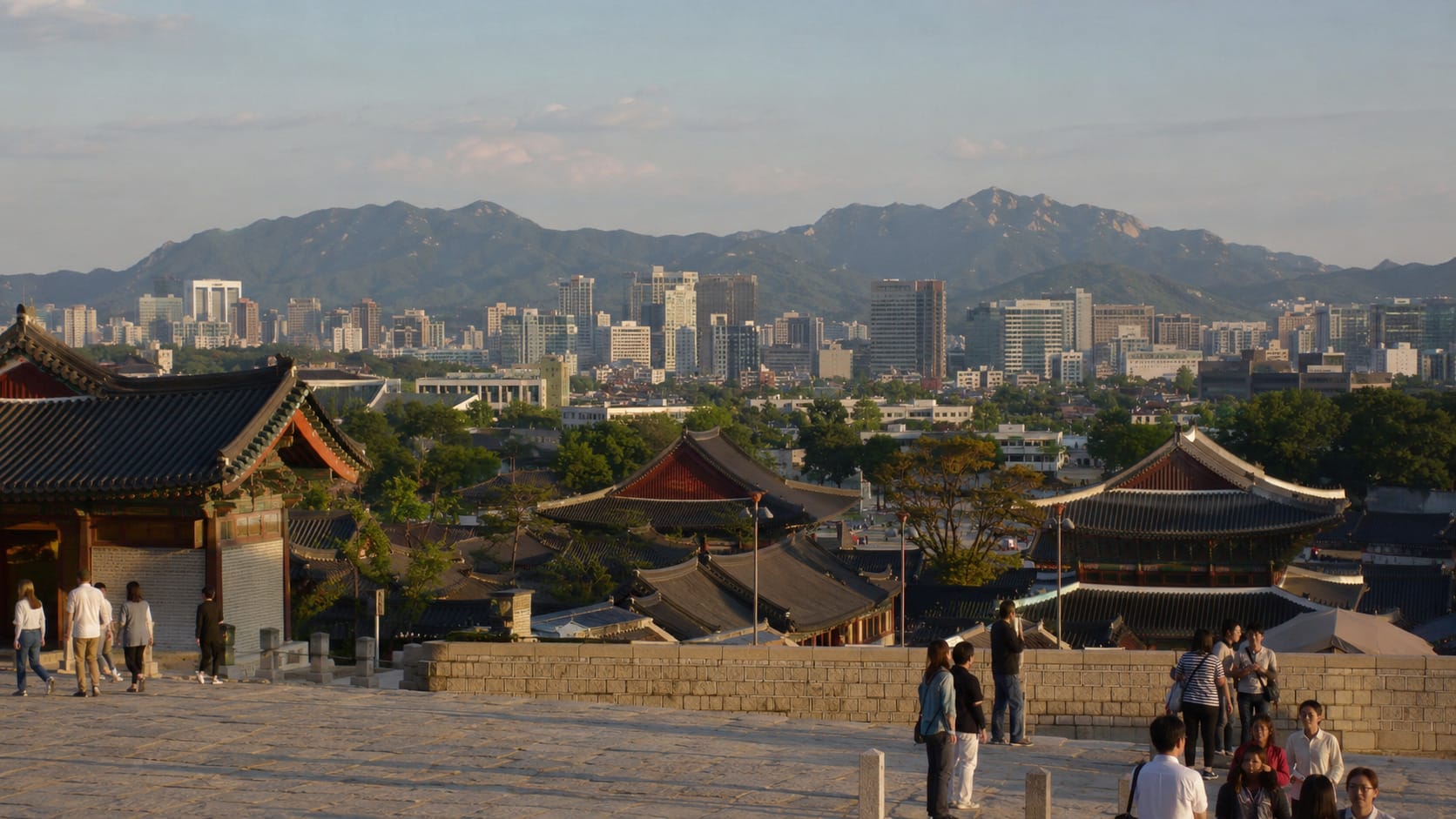
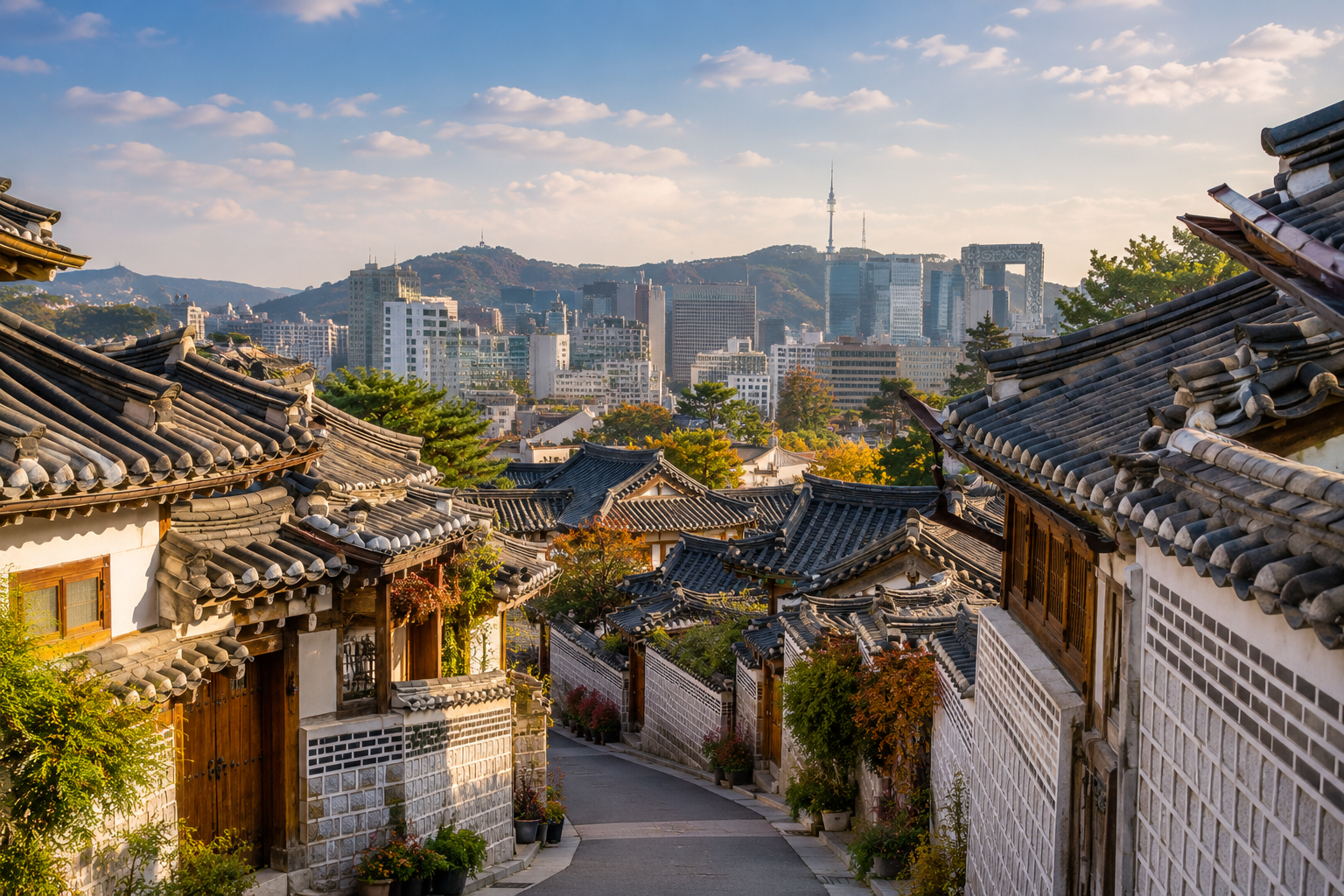
The visual contrast is one of Bukchon’s biggest strengths. From certain viewpoints, you can see old hanok rooftops in the foreground and modern Seoul beyond them. It is a postcard moment, but with a hill climb attached.
Bukchon also works well because it is easy to include in a Seoul itinerary. You can visit Gyeongbokgung in the morning, walk to Bukchon, continue toward Insadong, and still have time for tea, souvenirs, or a relaxed dinner.
Best Things to See in Bukchon Hanok Village
Bukchon Hanok Alleyways
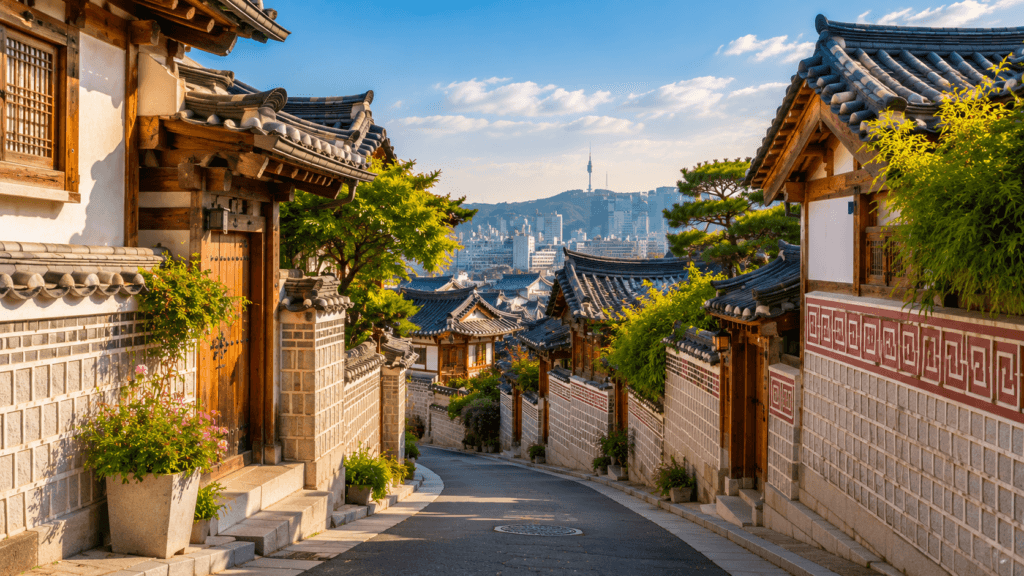
The alleyways are the main reason to visit Bukchon.
The most memorable parts of the village often happen between the famous spots: a wooden gate catching the light, a tiled roof curving above a stone wall, a quiet lane opening suddenly toward the city, or a cat acting like it owns the entire Joseon Dynasty.
The streets are narrow and often residential, so walk gently. Keep conversations low, avoid filming into windows, and do not block doors or stairs for photos.
Bukchon rewards travelers who are patient. If one alley is crowded, turn into a quieter side street. The side streets are often where the area becomes more interesting anyway.
Gahoe-dong Hanok Area
Gahoe-dong is one of the best-known parts of Bukchon and is often where travelers find the classic hanok rooftop views.
This area can get crowded, especially on weekends and during good weather. Visit during permitted daytime hours and move respectfully. If staff or signs ask visitors to keep moving or lower their voices, follow the guidance.
This is the kind of place where a beautiful photo is nice, but not worth becoming the loudest person in the alley.
Bukchon Viewpoints
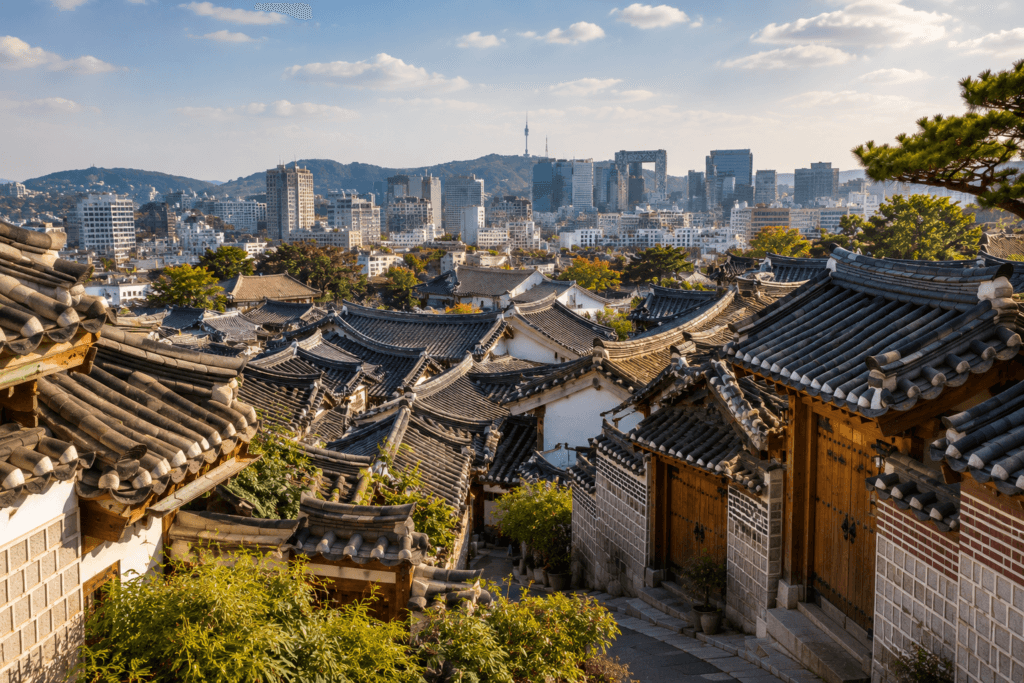
Bukchon has several viewpoints where traditional rooftops line up beautifully with the city behind them. Some are marked, while others appear naturally as you walk uphill.
The famous views are worth seeing, but they are not the whole village. In fact, some of the nicest photos come when you stop chasing the exact angle everyone else has already posted and notice the smaller scenes around you.
A quiet wall, a sloped lane, a roofline under afternoon light. Bukchon is generous with details if you are not sprinting through it.
Bukchon Culture Center
Bukchon Culture Center is a useful stop if you want to learn more about hanok architecture and traditional culture. It also helps visitors understand Bukchon as more than a photo location.
Depending on the season and program schedule, you may find exhibitions, cultural activities, or information about the neighborhood. It is a good place to begin if you want your walk to feel more meaningful.
Traditional Craft and Cultural Workshops
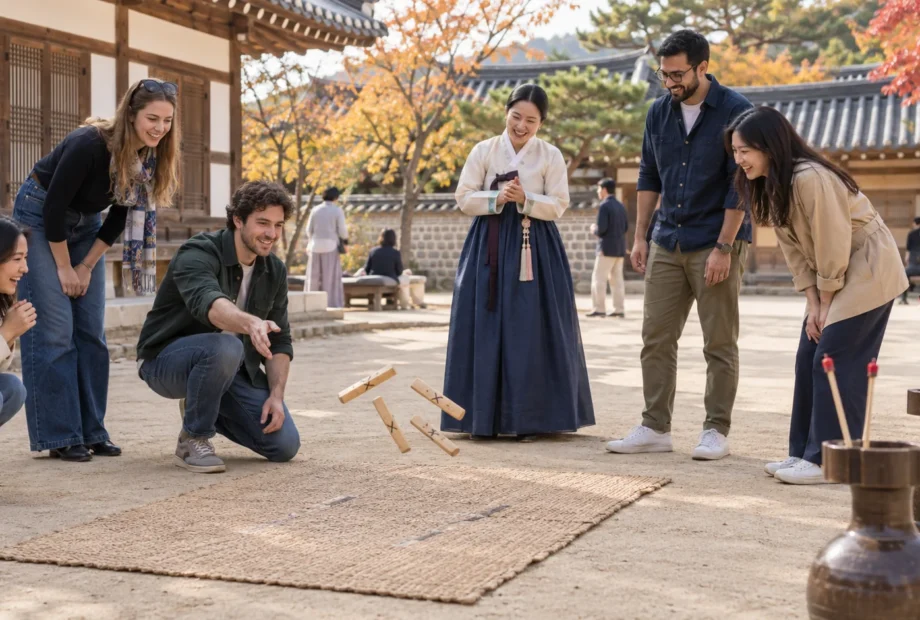
Bukchon and nearby areas often offer cultural experiences such as calligraphy, traditional crafts, tea experiences, and hanbok-related activities.
These can be a good way to slow down the day instead of only walking and taking photos. Workshops also help support local culture when chosen thoughtfully.
If you want a more hands-on cultural day, you can combine Bukchon with Insadong, which has more galleries, tea houses, craft shops, and traditional souvenirs.
Samcheong-dong
Samcheong-dong sits near Bukchon and is a great area to visit before or after your walk. It has cafes, small boutiques, galleries, and quieter streets that still feel connected to the traditional atmosphere of northern Seoul.
After climbing Bukchon’s slopes, sitting down in Samcheong-dong can feel less like a break and more like a diplomatic agreement with your legs.
Respecting Local Residents
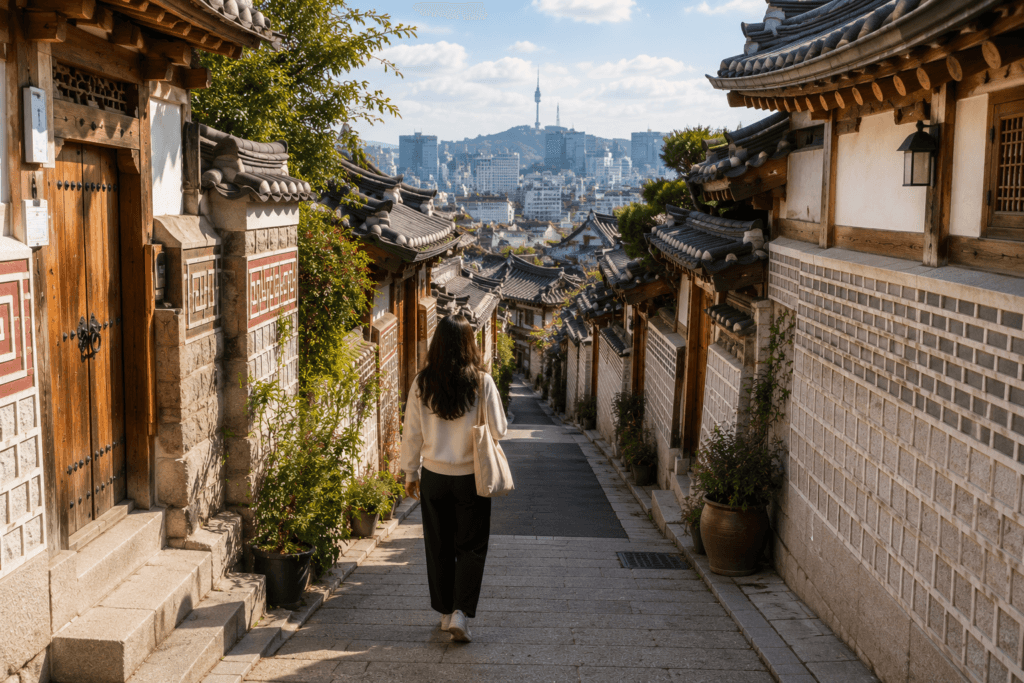
This is the most important section of any Bukchon Hanok Village guide.
Bukchon is a real residential neighborhood. The people who live here are not background characters in a travel photo. They are residents living their normal lives in a place that happens to be very beautiful and very famous.
Visitors should:
Keep voices low
Stay on public paths
Avoid entering private alleys or gates
Do not photograph inside homes or windows
Do not block doorways, stairs, or narrow roads
Follow posted signs and staff guidance
Visit only during permitted hours in restricted areas
Avoid large, noisy group behavior
This does not mean you cannot enjoy Bukchon. It simply means enjoying it with care.
A respectful visit actually makes the neighborhood feel better. When the streets are quiet, the hanok details stand out more. You hear footsteps, birds, distant cafe sounds, and the soft city noise below the hill. Bukchon becomes less of a backdrop and more of a place.
Best Time to Visit Bukchon Hanok Village
The best time to visit Bukchon is during the permitted daytime visiting window, especially late morning or early afternoon.
In the past, many travelers recommended early morning for quieter photos. In 2026, that advice needs updating because some residential areas have restricted visiting hours. For the main residential streets, plan your visit between 10:00 and 17:00 and follow local signs.
Weekday visits are usually better than weekends. The village is calmer, walking is easier, and photo spots feel less crowded.
Spring is beautiful because of mild weather and blossoms around nearby streets. Autumn may be even better, with comfortable temperatures and warm colors around the hanok rooftops.
Summer can be hot, especially because Bukchon involves hills. Bring water and avoid the strongest midday heat if possible. Winter can be cold, but snow on hanok rooftops is unforgettable if you are lucky enough to catch it.
Bukchon changes with the light, but it also changes with the noise level. The quieter the visit, the better the neighborhood feels.
How to Get to Bukchon Hanok Village
The easiest way to reach Bukchon Hanok Village is by subway.
Take Seoul Subway Line 3 to Anguk Station. From there, you can walk toward the main Bukchon routes around Gyedong-gil, Bukchon-ro, and Gahoe-dong.
If you are new to Seoul public transportation, read How to Use the Seoul Subway Like a Local before your visit. A T-money card guide is also helpful if you plan to use buses and subways throughout your trip.
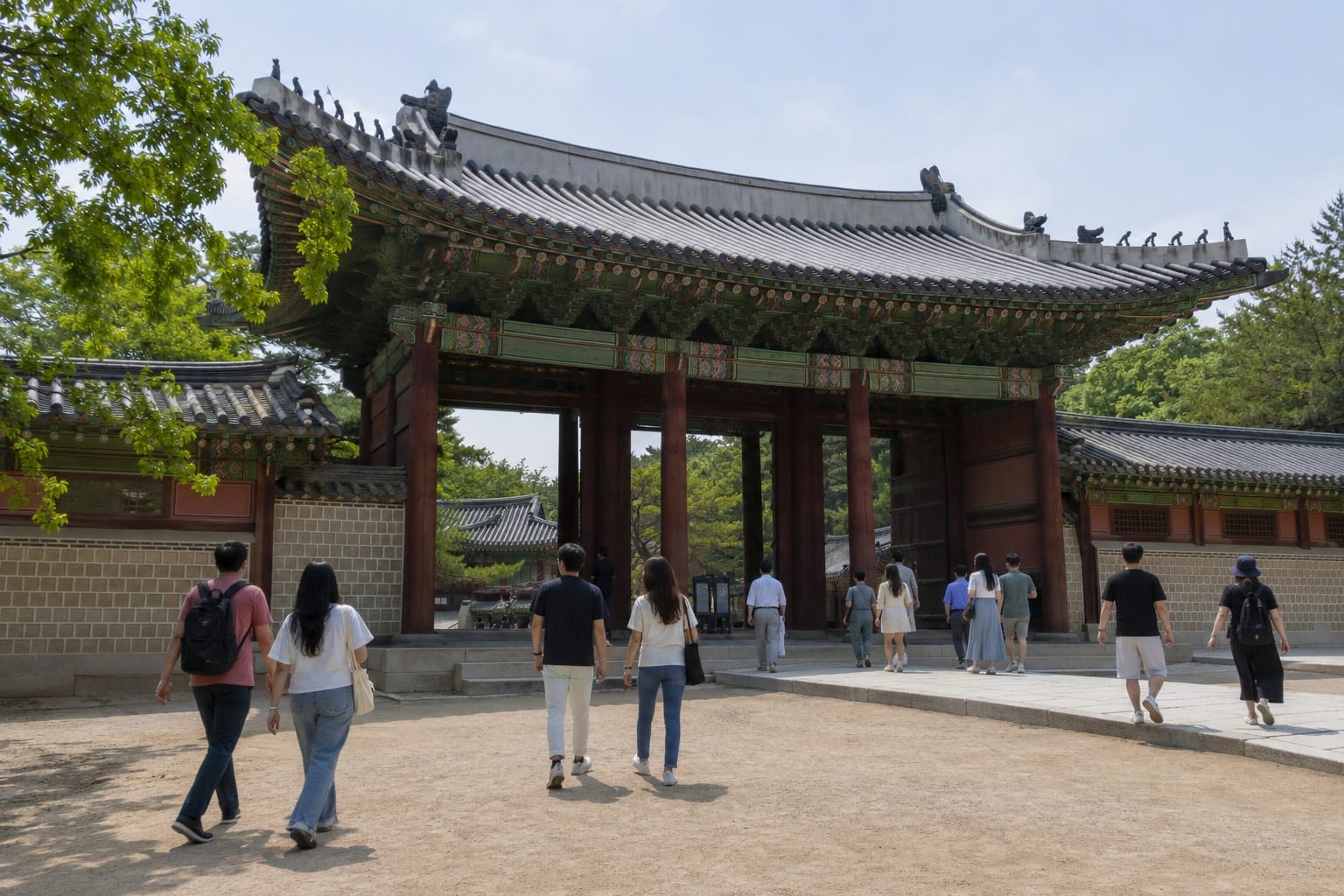
You can also walk to Bukchon from Gyeongbokgung Palace or Changdeokgung Palace. This makes the area especially convenient for a cultural sightseeing day.
From Myeongdong, subway or taxi both work, but subway is often more predictable. Seoul traffic sometimes behaves like it has a secret personal schedule.
Suggested Half-Day Itinerary
A good half-day route starts at Anguk Station.
Begin with a quiet walk through Bukchon’s main hanok streets during permitted visiting hours. Take your time exploring the alleyways, viewpoints, and cultural spaces. Do not rush toward only one famous photo spot.
After Bukchon, walk down toward Insadong for tea, snacks, craft shops, and souvenirs. If you still have energy, continue toward Jogyesa Temple or Gwanghwamun Square.
This route is simple, scenic, and easy for first-time visitors. It also gives you a good balance of traditional architecture, local culture, and food.
Suggested Full-Day Itinerary
For a fuller cultural day, start at Gyeongbokgung Palace in the morning. Explore the palace grounds, watch the Royal Guard Changing Ceremony if timing works, then walk toward Bukchon Hanok Village.
Visit Bukchon during the daytime window and take a slow route through the hanok streets. After that, continue to Insadong for lunch, tea, shopping, or galleries.
In the afternoon, you can visit Changdeokgung Palace or head toward N Seoul Tower for a city view later in the day. If you prefer a more relaxed ending, stay around Samcheong-dong for cafes and small shops.
This is one of the best first-time Seoul routes because it connects royal palaces, traditional streets, local culture, and modern city views without needing a complicated transfer.
Your step count may become dramatic, but the route itself makes sense.
Nearby Attractions
Gyeongbokgung Palace
Gyeongbokgung Palace is one of the easiest attractions to combine with Bukchon. The palace gives you grand royal architecture, wide courtyards, pavilions, and a strong sense of Joseon history.
Many travelers visit Gyeongbokgung first, then walk toward Bukchon. This route works especially well if you rent hanbok near the palace.
Changdeokgung Palace
Changdeokgung Palace is located east of Bukchon and is famous for its Secret Garden. It feels quieter and more natural than Gyeongbokgung, especially if you enjoy gardens and softer palace scenery.
If you love history and architecture, visiting Bukchon between the two palaces creates a very strong cultural route.
Insadong
Insadong is one of the best places to visit after Bukchon. It has traditional tea houses, craft shops, galleries, souvenir stores, and small restaurants.
Compared with Bukchon, Insadong feels more commercial and easier to wander without worrying about residential privacy. After walking quietly through Bukchon, Insadong lets you relax, shop, and speak at a normal human volume again.
Samcheong-dong
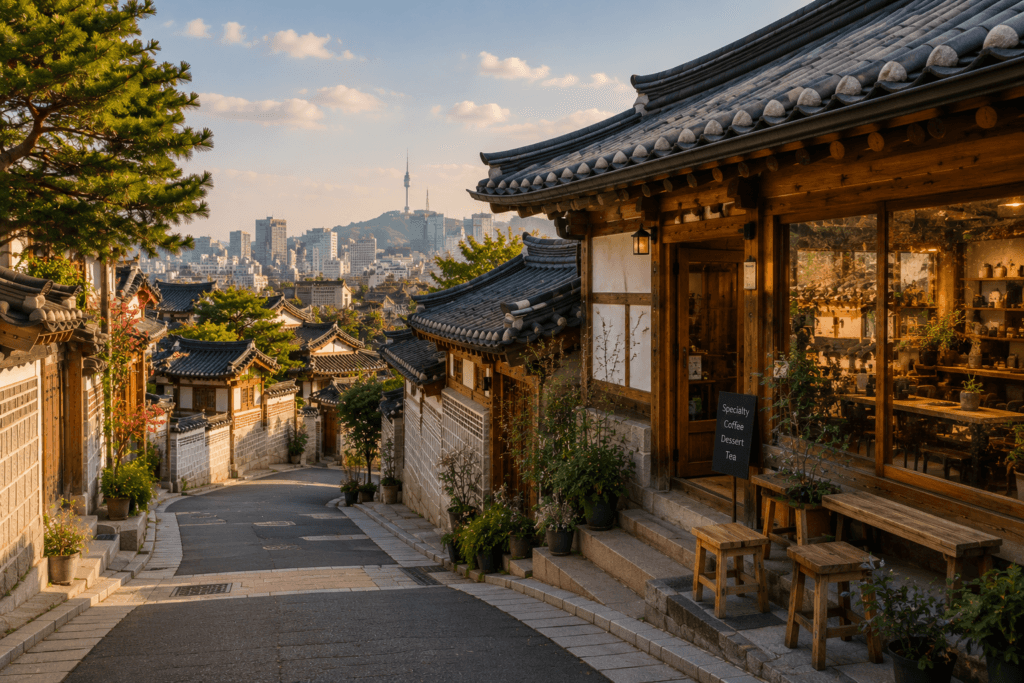
Samcheong-dong is perfect for cafes, galleries, and a softer neighborhood feel. It connects naturally with Bukchon and is a good place to rest after the uphill walk.
This area is especially nice in the afternoon when you want to slow down without leaving northern Seoul.
Ikseon-dong
If you want another hanok-style neighborhood with more food, cafes, and date-night energy, Ikseon-dong is a good option. It is more commercial than Bukchon and better for eating, cafe hopping, and evening visits.
Bukchon is for quiet walking. Ikseon-dong is for “we were just going to have tea and somehow ordered dessert shaped like architecture.”
Common Mistakes to Avoid
The biggest mistake is visiting restricted residential areas outside permitted hours. In 2026, some parts of Bukchon limit tourist visits in the early morning and evening. Check signs, follow guidance, and plan for daytime.
The second mistake is treating Bukchon like a photo studio. It is fine to take photos, but do not block residents, stairs, roads, or private entrances.
The third mistake is speaking too loudly. Sound carries in narrow alleys, and residents deal with visitor noise every day.
The fourth mistake is wearing uncomfortable shoes. Bukchon has slopes, stairs, and uneven paths. Cute shoes are allowed, but your feet may submit a complaint by lunchtime.
The fifth mistake is rushing. Bukchon is not a place that gets better when treated like a checklist. Walk slowly, look for smaller details, and let the neighborhood do its quiet work.
Recommended Travel Services
This article may contain affiliate links, which means we may earn a small commission if you book through them, at no extra cost to you.
If you want to enjoy Bukchon with more cultural context, consider booking a Seoul traditional walking tour that includes Bukchon, Gyeongbokgung, or Insadong.
If you plan to wear traditional clothing, hanbok rental near Gyeongbokgung or Bukchon can be a memorable option. Just choose comfortable shoes if you plan to walk uphill.
For easy navigation, a Korea eSIM or SIM card is useful. Bukchon’s small streets are charming, but they are also very good at making maps feel personally challenged.
If you are arriving from the airport and staying in Jongno, Myeongdong, or central Seoul, Incheon Airport transfer options may help make your first day smoother.
FAQ
Is Bukchon Hanok Village free?
Yes, Bukchon Hanok Village is free to visit. Some museums, workshops, cafes, or cultural experiences in the area may charge separate fees.
What time should I visit Bukchon Hanok Village?
In 2026, plan to visit the main residential walking areas between 10:00 and 17:00. Some zones restrict tourist visits outside those hours to protect residents.
Is Bukchon Hanok Village a real neighborhood?
Yes. Bukchon is a real residential neighborhood. Many hanok are private homes, so visitors should keep noise low, stay on public paths, and avoid photographing inside homes.
How long do I need in Bukchon?
Most visitors should allow 2 to 3 hours. This gives enough time to walk slowly, take photos, visit a small cultural space, and continue toward Insadong or a nearby palace.
Which subway station is best for Bukchon?
Anguk Station on Seoul Subway Line 3 is the most convenient station for Bukchon Hanok Village.
Can I visit Bukchon and Gyeongbokgung on the same day?
Yes. Bukchon and Gyeongbokgung Palace are close enough to visit on the same day. Many travelers visit Gyeongbokgung first, then walk to Bukchon and continue to Insadong.
Is Bukchon good for hanbok photos?
Yes, Bukchon is beautiful for hanbok photos, but visitors should be extra respectful because many streets are residential. Avoid blocking doors, stairs, or narrow lanes.
Is Bukchon better in spring or autumn?
Both are excellent. Spring brings blossoms and mild weather, while autumn offers colorful foliage and comfortable walking temperatures. Autumn is often especially good for photography.
Related Guides
If you are planning a cultural sightseeing day in Seoul, these guides can help:
Gyeongbokgung Palace Guide is the best place to start if you want royal architecture before walking to Bukchon.
Insadong Travel Guide helps you plan tea houses, crafts, galleries, and souvenirs after visiting Bukchon.
Best Areas to Stay in Seoul for First-Time Visitors is useful if you are choosing between Jongno, Myeongdong, Hongdae, and other neighborhoods.
Myeongdong Travel Guide is helpful if you want shopping and street food after a cultural morning.
N Seoul Tower Guide is a good option if you want to finish the day with a city view.
How to Use the Seoul Subway Like a Local will make getting to Anguk Station and moving around Seoul much easier.
Final Thoughts
Bukchon Hanok Village is one of the most beautiful walks in Seoul, but it asks for a different kind of travel behavior.
It is not loud. It is not flashy. It does not need you to rush. The best parts of Bukchon often appear in small moments: a roofline above a stone wall, a quiet turn in the alley, a glimpse of the city between traditional houses, or the sudden realization that your legs have been climbing for longer than your brain agreed to.
Visit during proper hours. Keep your voice low. Respect the residents. Take photos, but take them with care.
When visited thoughtfully, Bukchon is more than a pretty neighborhood. It is one of the clearest places to feel how old Seoul and modern Seoul still live side by side, sometimes on the same narrow hill.
.