Gyeongju is the stop to consider when you want royal tombs, temple courtyards and an evening by a palace pond rather than another big-city shopping day. The useful planning question is not how many sights you can collect. It is whether you have time for the central historic area alone, or for a separate trip out to Bulguksa and Seokguram.
For a first visit, our suggestion is one night for the central sights, or two nights if the mountain temples matter to you. A day trip can work too—provided the return journey gets a vote before the itinerary is finished. The royal tombs have been here a long time; they are unlikely to applaud a sprint.
Table of contents
How Many Days Do You Need in Gyeongju?
| Your time | Build the trip around | What to leave optional |
|---|---|---|
| A day trip with a confirmed return | One central walking route, a meal and time to reach your departure point | Bulguksa, Seokguram and an after-dark Wolji visit if the connections do not fit |
| One night | Central sights on arrival day and an evening stop; use the next morning according to your departure time | A mountain outing on a short transfer morning |
| Two nights | A central day and a separate Bulguksa outing, with room for weather and slower meals | Seokguram unless its approach and return connection suit you |
These are itinerary choices, not a minimum stay everyone needs. If Buddhist art is your main interest, prioritize the temple area and reduce the central sightseeing instead. If you dislike long outdoor walks, fewer stops and a well-placed hotel will help more than another list of highlights.
How to Get to Gyeongju
For a KTX journey, search for Gyeongju (경주) and confirm the station printed on your actual ticket. Gyeongju tourism’s arrival guide identifies Gyeongju Station for KTX travel. Do not treat arriving at the railway station as arriving at Daereungwon, Hwangnidan-gil or your hotel: a local transfer is a separate part of the trip.
Compare actual trains for your travel date rather than building the day around a universal “two hours from Seoul” promise. Read our KTX booking guide for the rail leg, then check the route from the station to your first stop. For an intercity or express bus, use the exact terminal on the ticket as your starting point; station and terminal routes are not interchangeable.
Important Transportation Tip
Plan the arrival in this order: station or terminal → hotel or confirmed luggage storage → first attraction. Ask the property whether it will hold bags before check-in, when collection ends, and whether someone will be available. This guide has not verified individual lockers, storage capacity or hotel collection hours.
For departure, work backwards from the booked train or bus. Include the attraction exit, any luggage pickup, the local transfer, and boarding time. If adding a temple leaves no room for a missed connection, remove the temple—not the buffer. A train ticket is not an optional plot detail.
Getting Around Gyeongju
Think in three planning areas instead of treating every place labelled “Gyeongju” as one walkable neighborhood:
- Central historic area: Daereungwon, Hwangnidan-gil, Cheomseongdae, Donggung and Wolji, Gyochon and Woljeonggyo. Several can be combined on foot, but entrances, crossings and your exact hotel still matter.
- Bulguksa and Seokguram: a separate outing with road travel and walking. They are two visits, not adjoining entrances.
- Bomun: consider it for a lake-and-resort stay or a separate leisure stop, not as a shortcut between all the central sights.
Gyeongju tourism’s bus 10 route guide describes connections between the terminal area, central sights, Bomun and Bulguksa, with bus 11 running the circuit in the opposite direction. Use it to understand the geography; confirm today’s stop, direction and departure separately. A similar route number is not enough to choose a bus.
Check local services with Gyeongju live bus information and read our T-money guide before relying on a transport card. The live bus site could not be retrieved during this review, so this article does not confirm current departures or fares. A taxi can simplify a transfer, but confirm the pickup point and return plan rather than assuming one will be waiting at every attraction.
Best Things to Do in Gyeongju
Choose sights by the kind of day you want. The detailed guides below handle admission, opening checks and attraction-specific advice; this page focuses on how the stops fit together.
Walk Through Daereungwon Tomb Complex
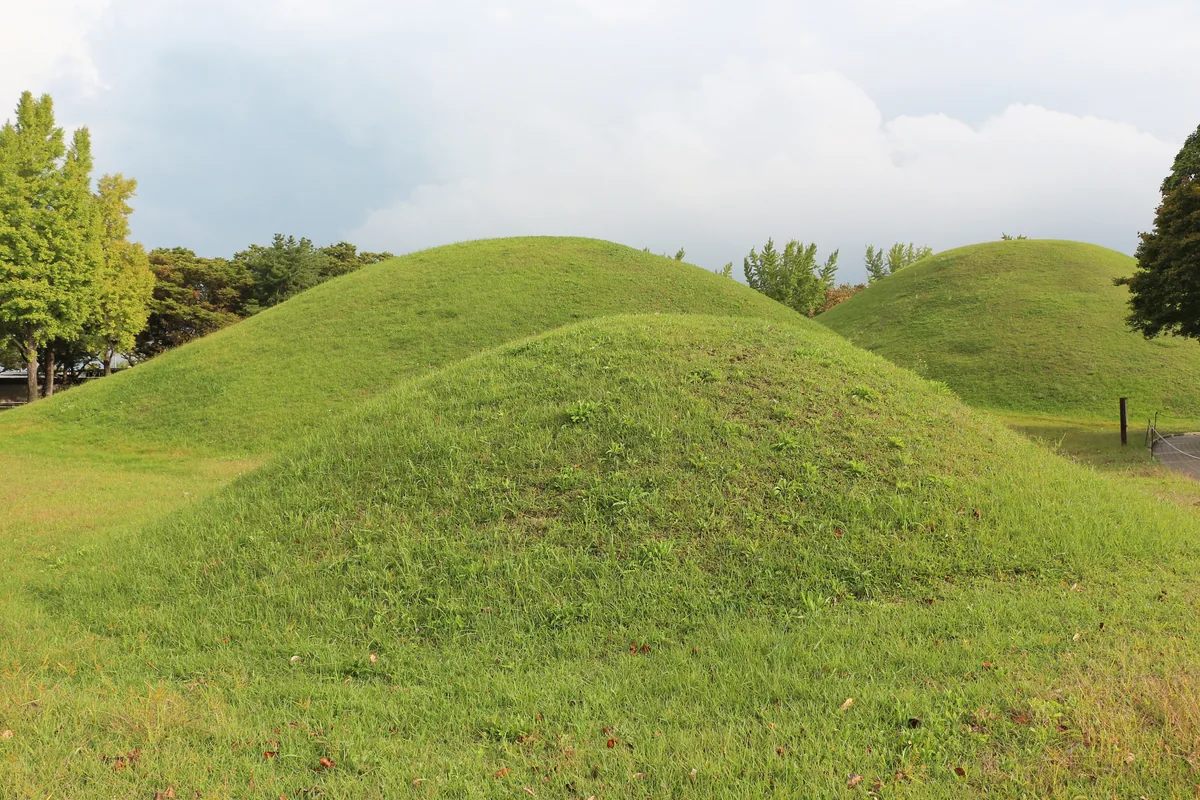
Start here if grassy royal burial mounds and a slower central walk are what brought you to Gyeongju. Keep the outdoor visit separate in your planning from entering Cheonmachong; check current access and any ticket requirement for the parts you want to see. It is a natural anchor for a day that also includes Hwangnidan-gil, without needing a mountain transfer.
Explore Hwangnidan-gil
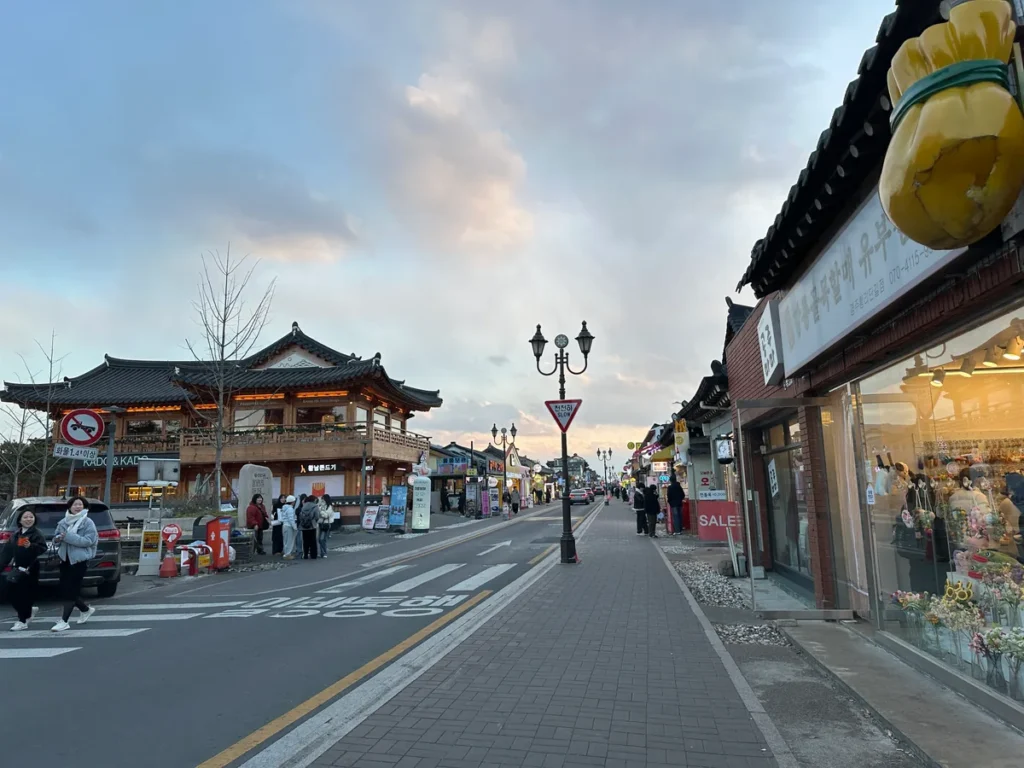
Use Hwangnidan-gil as a meal, café or browsing stop rather than another attraction with a fixed completion time. Pick a specific restaurant and a backup before arriving hungry; opening times, last orders and queues are individual-business questions. The street photograph shows a past visit, not a checked list of shops trading today.
See Cheomseongdae Observatory
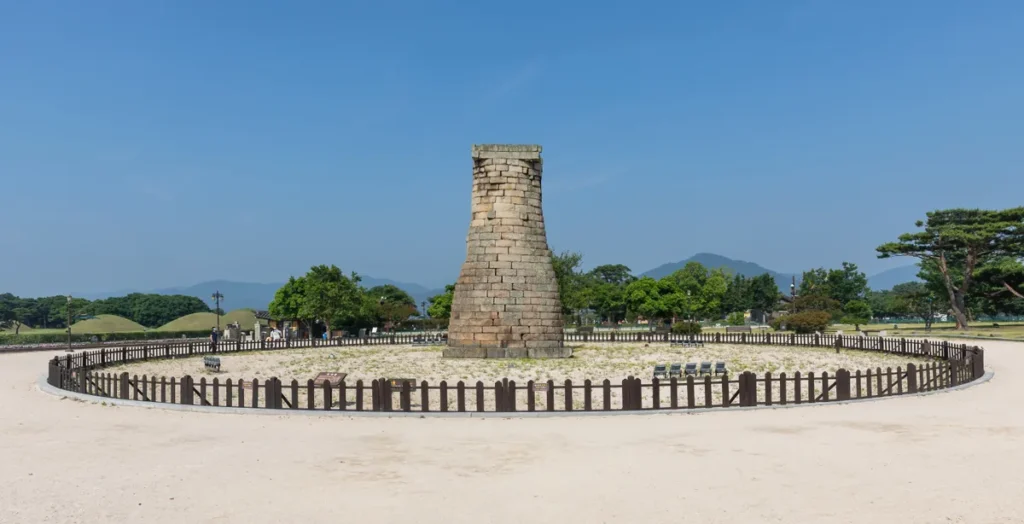
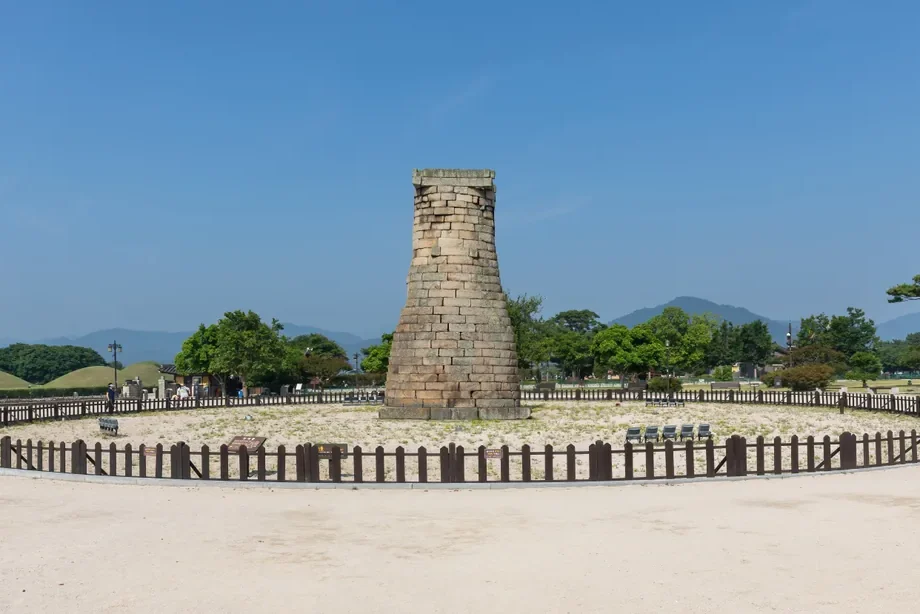
Choose Cheomseongdae for a smaller historic landmark within a central walking plan. Daylight suits the stonework and surrounding landscape; an evening stop needs its own access and weather checks. It is not a tower-climbing visit. Our Cheomseongdae guide covers the published seasonal hours, flower cautions and two alternative walking plans.
Spend the Evening at Donggung Palace and Wolji Pond
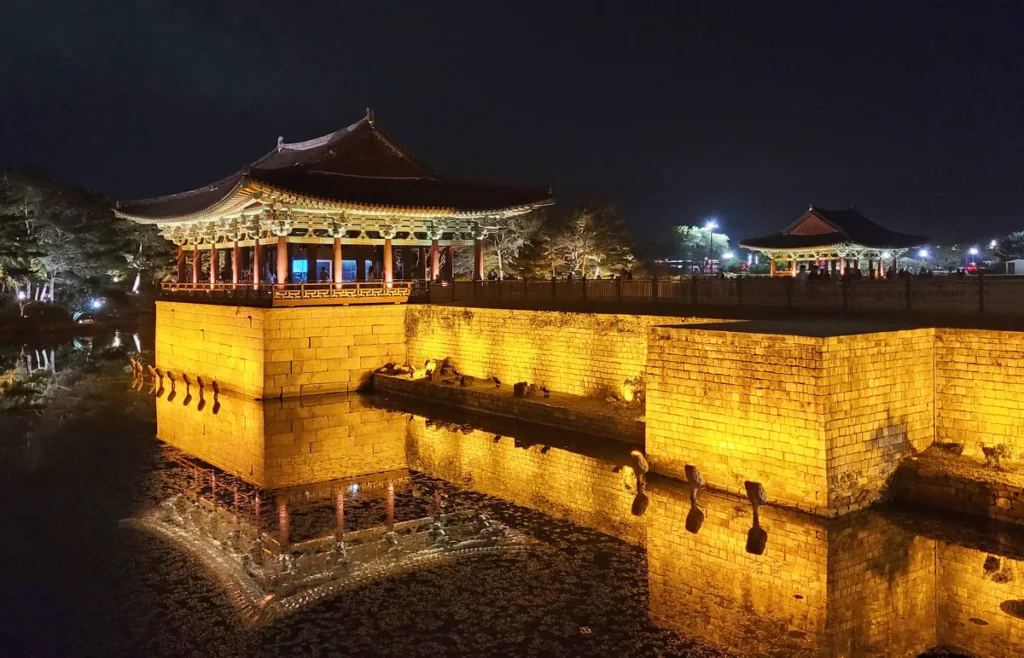
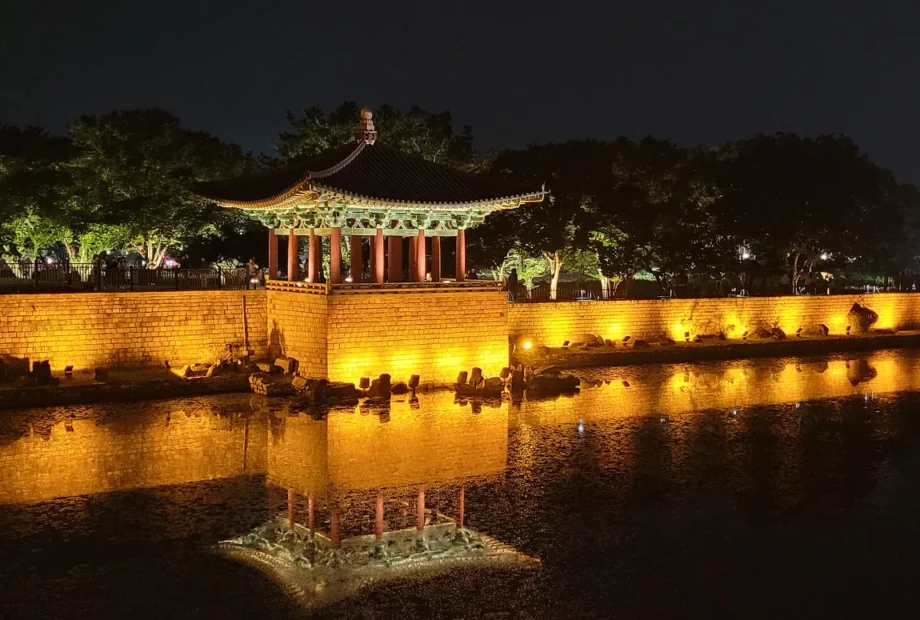
Make Wolji your evening anchor if you want illuminated pavilions reflected in the water. Check sunset for your date and leave time for admission before waiting for darkness. The Donggung and Wolji guide separates closing time from last admission and explains the restored buildings, tickets and journey home. A night view is a reason to stay overnight—not a reason to gamble on the last train.
Visit Bulguksa Temple
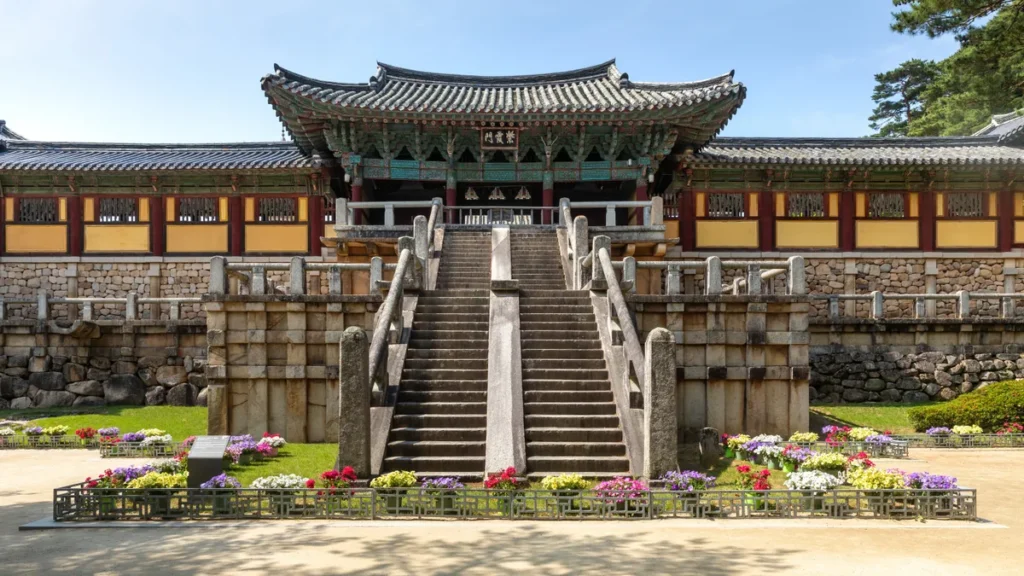
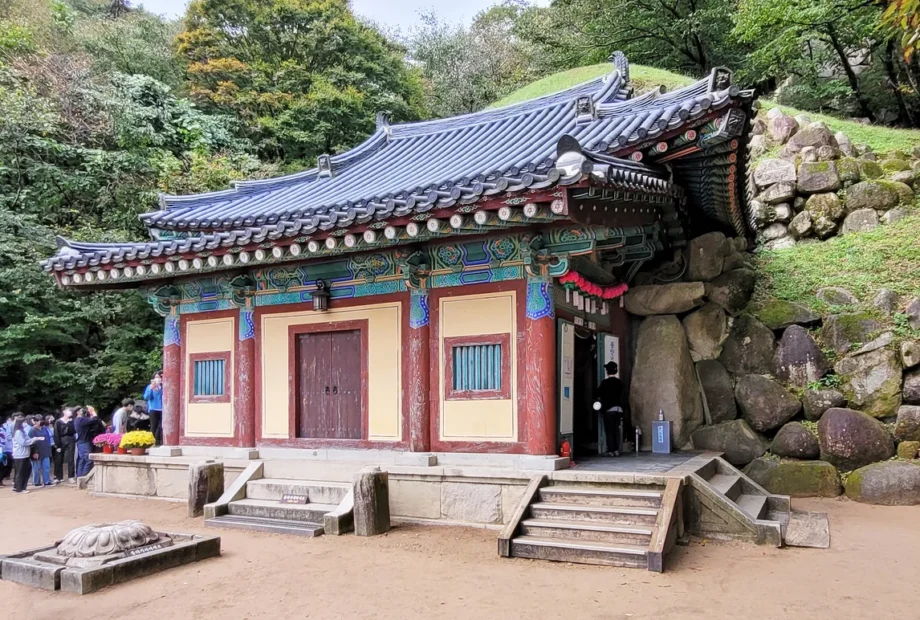
Choose Bulguksa if temple courtyards, stone terraces and the contrast between Dabotap and Seokgatap are higher on your list than another café stop. Give it its own outing rather than assuming it fits between two central sights. The Bulguksa guide covers published visiting information, transport checks and the decision about continuing to Seokguram.
Explore Seokguram Grotto
Add Seokguram for a particular interest in Buddhist sculpture and Silla heritage, not simply because it shares a listing with Bulguksa. Expect a protected viewing experience rather than a cave you can wander through. Read the Seokguram guide for the glass-barrier limitation, approach on foot and return-transport questions before deciding.
Gyochon and Woljeonggyo can be another central outing if traditional-style streets and the bridge appeal to you. Gyeongju National Museum is worth considering for historical context or a weather-dependent alternative; check its own opening and exhibition arrangements. Neither needs to become a compulsory extra on a full day.
Suggested 1-Day Gyeongju Itinerary
Central-first day trip: reach your chosen central starting point → Daereungwon → a meal or café around Hwangnidan-gil → Cheomseongdae if time allows → return to your booked departure. Use a live walking map for actual entrances and crossings. This is a proposed order, not a timed test walk.
Want Wolji after dark? First confirm that you can enter before last admission, enjoy the visit, collect any bags and reach the return train or bus. If that chain does not work, keep the daytime route or stay overnight. The palace closing time does not provide transport back to Busan.
Arriving late: pick one main heritage stop and a meal. Choosing Bulguksa instead: make the temple the main outing and trim the central list. Do not automatically add Seokguram, the tombs, two night views and a return train to the same limited day.
Suggested 2-Day Gyeongju Itinerary
Day 1: Central Sights and One Evening Anchor
After sorting out luggage, choose Daereungwon and Hwangnidan-gil for the first part of the day. Add Cheomseongdae according to your arrival time and energy. Keep a rest before the evening, then choose Wolji or a Gyochon–Woljeonggyo outing rather than promising yourself every night view.
Day 2: Bulguksa—or More Time in Town
If you have enough time before departure, make Bulguksa the main outing. Seokguram stays optional and needs a confirmed return connection. If you are leaving in the morning, stay central instead; a museum visit, breakfast and a calm transfer can be a better ending than a mountain round trip with luggage still at the hotel.
With a second night, the temple day has more room and a missed connection need not threaten the onward train. These routes are editorial planning suggestions, not guarantees about walking speed, opening hours or bus availability.
Where to Stay in Gyeongju
- Daereungwon or Hwangnidan-gil area: a useful starting point for central heritage sights and food stops. Check the property pin, evening walk and luggage arrangements rather than booking by the neighborhood label alone.
- Near your terminal or local connection: consider this if an early departure matters more than atmosphere. Compare the actual transport route, not the straight-line distance.
- Bomun Tourist Complex: consider it for a resort-focused stay, with transport to central sightseeing budgeted separately. A hotel named “Gyeongju” is not necessarily beside the tombs.
For mobility needs, confirm the exact property entrance and attraction approaches before booking. A taxi reduces road travel, not necessarily steps or uneven surfaces at the destination. This guide does not certify a step-free itinerary.
Best Time to Visit Gyeongju
Choose the season around your tolerance for outdoor walking. Spring blossom periods and autumn foliage can be appealing, but the dates and conditions vary. In summer, plan shorter outdoor stretches with indoor or café breaks. In winter, prepare for standing still during an evening visit as well as walking.
Check local weather close to departure and leave a replacement plan for heavy rain, heat or poor visibility. Flowers, snow and perfect reflections are possibilities, not inclusions in the ticket. Our Korea weather-by-month guide helps with the broader seasonal choice.
Suggested Seoul to Gyeongju to Busan Route
Gyeongju can be an overnight stop between Seoul and Busan, or a separate outing while staying in Busan. Choose between those plans before reserving rooms: an overnight stop means moving luggage, while a day trip means protecting the return connection.
Use the Seoul five-day itinerary, Busan travel guide and South Korea seven-day itinerary to connect the cities. Do not borrow a train time from a sample itinerary without checking your own departure date.
Recommended Travel Services
The optional links in this section are affiliate links: we may earn a small commission if you book through them, at no extra cost to you. Independent travel is an option, and a tour booking is not an attraction admission requirement.
Optional booking links include KTX train tickets to Gyeongju and Gyeongju day tour from Busan or Seoul. For a history-focused product, compare the actual stops and guiding language behind Gyeongju UNESCO heritage tour rather than assuming the name confirms an itinerary. Check pickup, cancellation terms and time at each site before paying; this review has not verified individual product availability or inclusion.
If needed, compare Korea eSIM or SIM card or T-money setup or Korea transport card options. Check device compatibility and the actual card or service offered. Neither purchase is compulsory for following this guide.
Sources and Review Scope
Editorially revised October 16, 2026 to distinguish central sightseeing, mountain outings and transfer-day choices. Gyeongju tourism’s arrival information and its bus-route geography guide were consulted for the arrival and area-planning sections. Published sample timetables were not treated as confirmed departures for a future travel date.
The KORAIL timetable page and Gyeongju live bus site could not be retrieved during this review; exact train times, bus departures, fares and temporary service changes were not verified. Check your booking and local transport information before travel. Attraction-specific operating information keeps the separate review dates shown in the linked guides; this is not a new check of every attraction’s opening hours or admission.
The routes are source-based editorial suggestions, not claims of a personal visit or timed test walks. Restaurant last orders, luggage capacity, hotel collection arrangements and step-free access were not confirmed. The photographs retain their original credits, licences and dates and do not show guaranteed current conditions.