Affiliate disclosure: This guide may contain affiliate links. If you book through them, we may earn a small commission at no extra cost to you. Learn more.
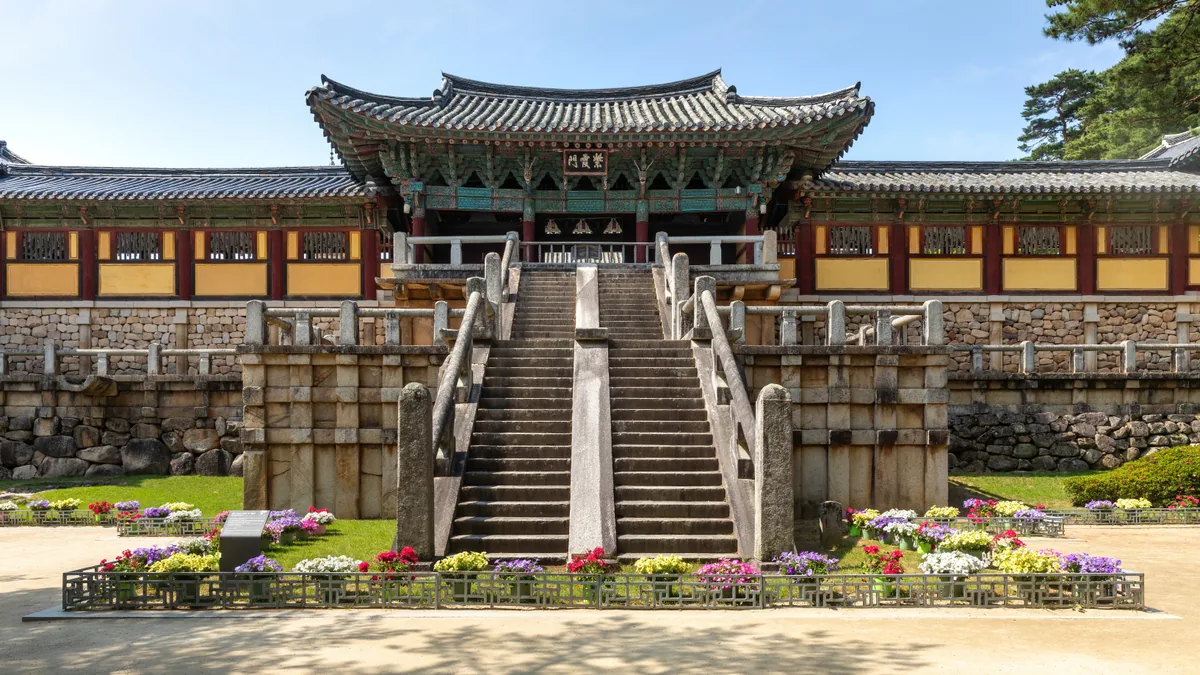
Bulguksa Temple is one of the most important historical sites in South Korea and a must-visit destination for travelers exploring Gyeongju. Designated as a UNESCO World Heritage Site, the temple showcases the beauty of Silla-era architecture and remains one of Korea’s most treasured cultural landmarks.
Put Bulguksa on your route if you want stone pagodas, temple courtyards, and a quieter contrast to central Gyeongju. Allow around 1.5–2 hours inside as a planning estimate, plus transport. If you only have a few hours in the city, compare that journey with the walkable downtown sights before committing.
Before visiting, be sure to read our Gyeongju Travel Guide 2026 for a complete overview of the city and nearby attractions.
Table of contents
Why Visit Bulguksa Temple?
Built during the Silla Kingdom, Bulguksa Temple is considered one of the finest examples of Korean Buddhist architecture.
Visitors come to see:
- UNESCO World Heritage status
- Ancient stone pagodas
- Traditional temple buildings
- Beautiful mountain scenery
- Cherry blossoms in spring
- Autumn foliage in fall
Unlike many temples in Korea, Bulguksa feels grand while still maintaining a peaceful atmosphere.
Bulguksa Temple Information (2026)
Location
385 Bulguk-ro, Gyeongju-si, Gyeongsangbuk-do
Opening Hours
The official VISITKOREA listing, checked October 12, 2026, gives visiting hours of 09:00–18:00, with exit time listed separately as 19:00, and year-round opening. The later exit time is not an invitation to begin your visit at 19:00.
Confirm temporary changes and the exact admission cutoff before a late-afternoon visit. The temple visitor-information page could not be reached during this review; contact Bulguksa at +82-54-746-9913 if needed. Morning or early afternoon leaves more breathing room.
Admission Fee
General temple admission is free according to the VISITKOREA visitor listing, checked October 12, 2026. Parking and transport are separate costs; a paid tour is optional, not an entrance requirement.
Recommended Visit Time
Allow around 1.5–2 hours inside as a planning estimate, plus travel, waiting and any luggage pickup. This is not a measured visitor average.
Leave Time for the Courtyards
Many visitors underestimate the size of Bulguksa Temple.
If you want to linger in the courtyards rather than just photograph the pagodas, leave closer to two hours in your plan. Your onward train should not be the most memorable part of the temple visit.
How to Get to Bulguksa Temple
The easiest way is to travel to Gyeongju first and then take a local bus or taxi.
If arriving by KTX, book for Gyeongju station (formerly Singyeongju), then plan a separate local journey to Bulguksa. The train does not drop you at the temple. From the central-city bus terminals, Gyeongju tourism lists buses 10 and 11 as routes serving Bulguksa; 10-1 is a different route and turns back at Gyeongju World. Check the exact stop and direction in Gyeongju’s live bus service before boarding.
Check train availability before choosing your temple visit time, particularly on weekends. Our Korea KTX guide explains booking and station planning. If you prefer a third-party booking service, you can also compare rail options on Trip.com; confirm the station, departure time, and ticket conditions before paying.
If you’re arriving from overseas, read How to Get from Incheon Airport to Seoul before continuing to Gyeongju.
Travelers spending time in Seoul beforehand may also find How to Use the Seoul Subway Like a Local helpful.
Visiting before leaving Gyeongju? In our South Korea 7-day itinerary, Bulguksa fits the transfer morning only when the onward connection allows it. Confirm luggage storage, collection hours and staff availability with your accommodation first.
Build the whole journey: temple → luggage pickup → Gyeongju Station or your bus terminal → next city → hotel. If that leaves a tight connection, skip the temple or save it for a longer stay. Keep Seokguram optional; two heritage sites do not turn into one stop just because they share a UNESCO listing.
The Highlights of Bulguksa Temple
Dabotap Pagoda
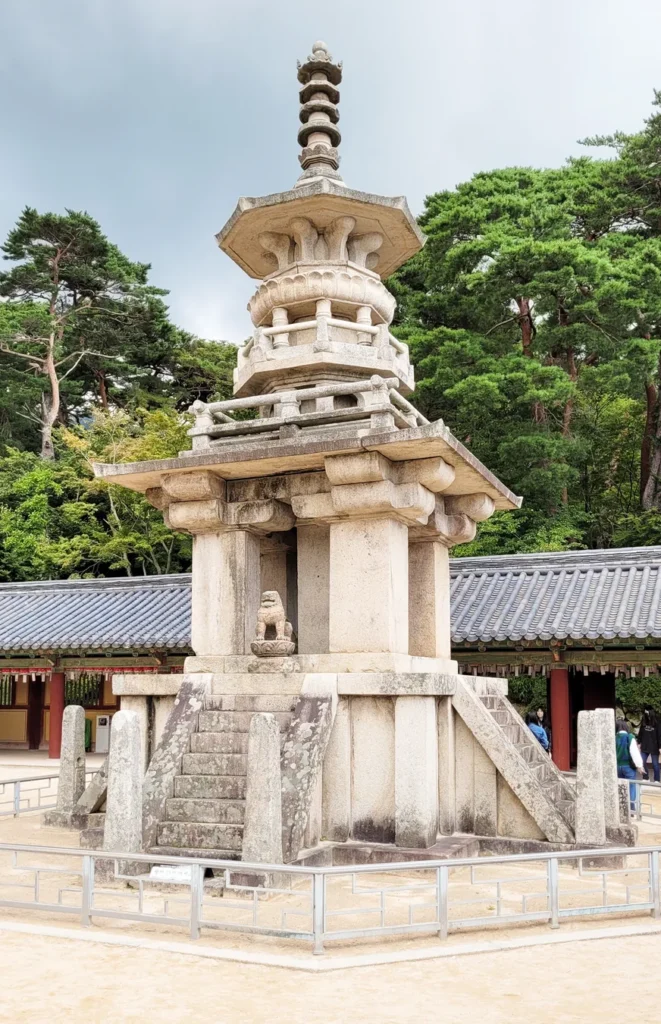
Dabotap is one of Korea’s most famous stone pagodas and appears on the Korean 10 won coin.
Its detailed design makes it very different from most Buddhist pagodas in Asia.
Compare the Two Pagodas
Many visitors stop after taking a few photos of Dabotap.
Don’t leave without comparing it to Seokgatap. The contrast between the two pagodas is one of the most fascinating parts of the temple complex.
Seokgatap Pagoda
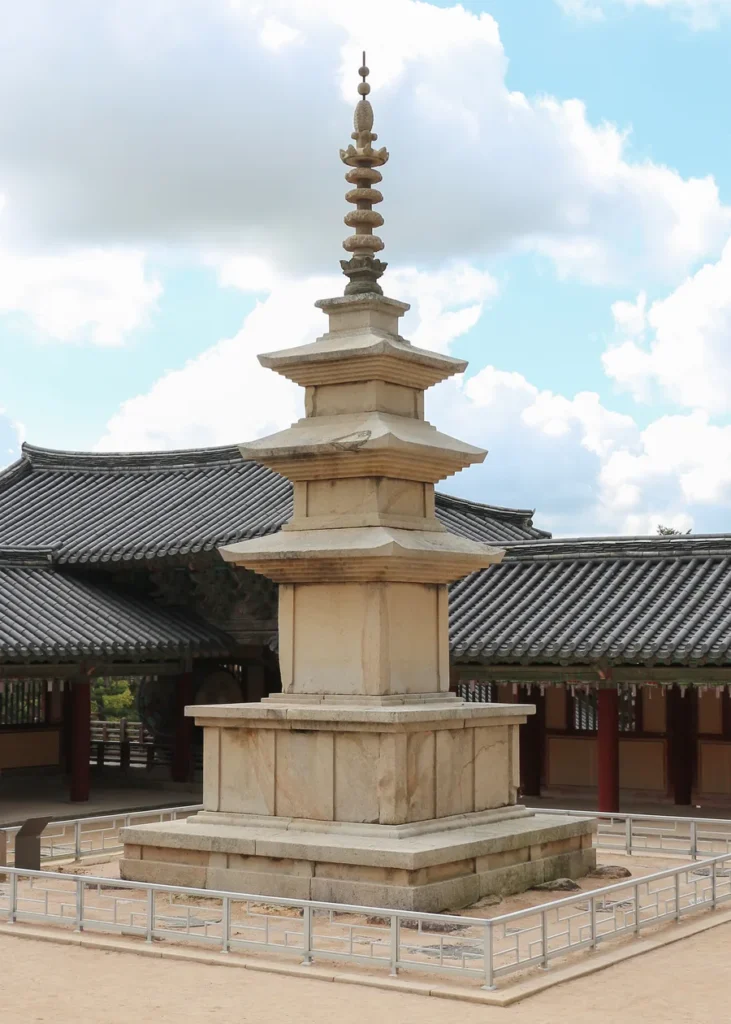
Standing across from Dabotap, Seokgatap features a much simpler and more elegant design.
Together, the two pagodas symbolize different aspects of Buddhist philosophy.
Cheongungyo and Baegungyo Bridges
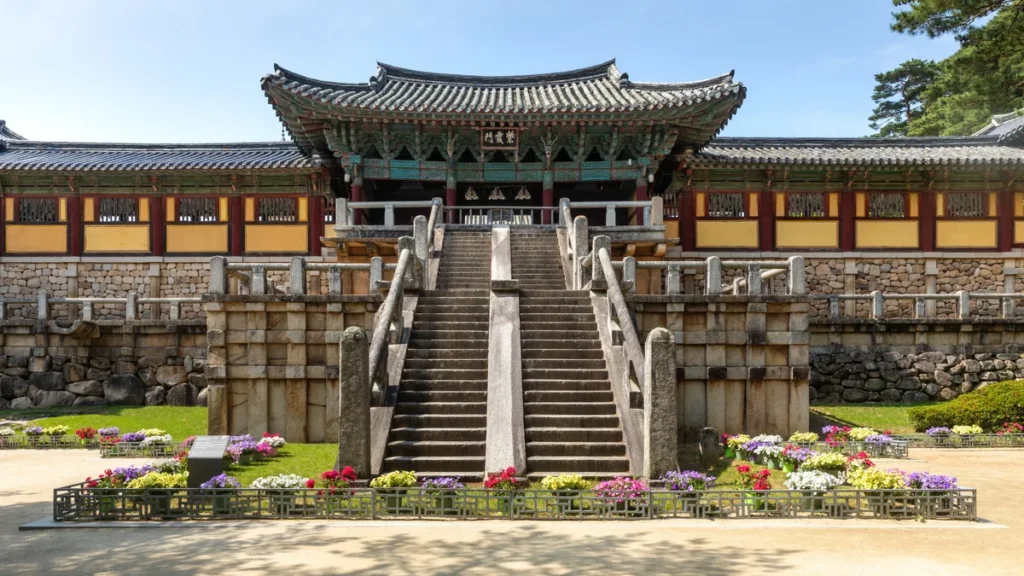
These historic stone stairways are among the most photographed areas of the temple.
Take your time here and notice the craftsmanship that has survived for centuries.
Take Care on Wet Stone
Comfortable shoes are highly recommended.
The temple grounds include several stone staircases that can become slippery after rain.
Should You Add Seokguram Grotto?
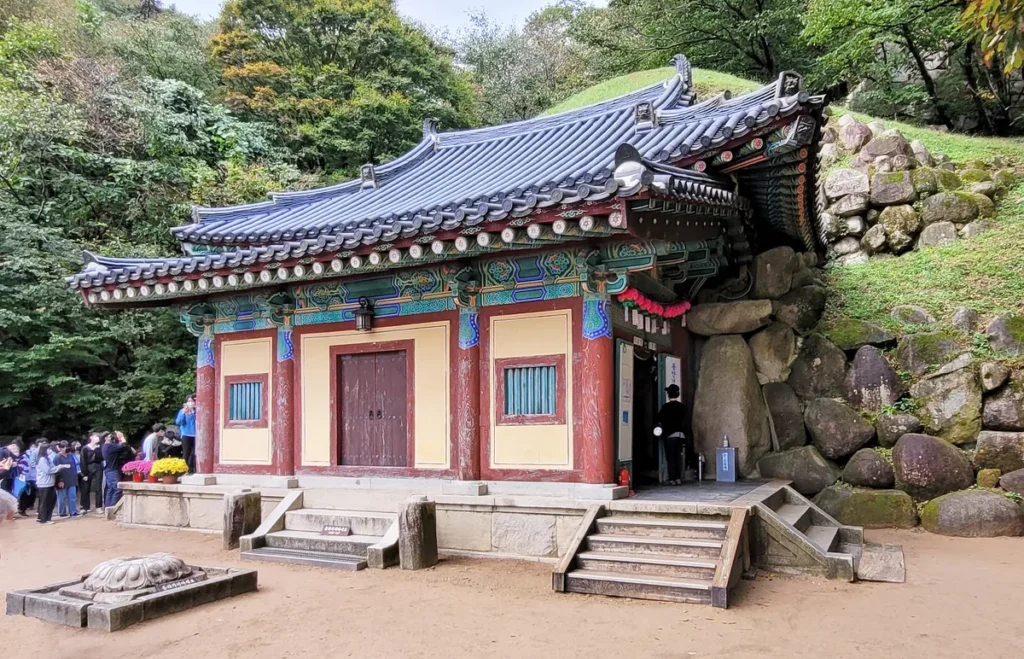
Adding Seokguram Grotto can make sense if you have extra time and are comfortable with another transfer and walk. Bulguksa on its own is also a perfectly reasonable visit—not a failed sightseeing assignment.
The two sites share a UNESCO World Heritage listing, but they are separate stops. Seeing the temple courtyards does not mean you have already seen the grotto.
Gyeongju tourism identifies bus 12 for the Bulguksa–Seokguram connection. Allow for waiting, the road journey, the approach on foot, and your return; this is not a 15-minute stroll from one entrance to the other. Check the return service before going up, and skip the add-on if the connection would make the rest of your day a race.
Let the Weather Decide
Check the weather rather than expecting a guaranteed mountain view. In rain or poor visibility, give the temple a slower visit instead of adding a viewpoint just because it appears on the itinerary.
Best Time to Visit Bulguksa Temple
Spring
Spring is one of the most beautiful times to visit.
Blossom-season scenery can be part of the appeal, but flowering dates and conditions vary. Check current local updates before choosing a travel date around a photograph.
Check Blossoms Before Planning Around Them
Many visitors focus on the temple itself.
The road leading to Bulguksa is often just as beautiful as the temple grounds during cherry blossom season.
Summer
Summer brings lush greenery but can be hot and humid.
Aim near the currently listed 09:00 opening to avoid the hottest part of the day; check for temporary changes rather than assuming a dawn opening.
Carry Water for the Walk
Bring water with you.
The temple grounds are larger than many first-time visitors expect.
Autumn
Many experienced travelers consider autumn the best season.
Colorful foliage creates a stunning contrast against the temple’s traditional architecture.
Check Last Admission Before Chasing the Light
Late-afternoon light can be attractive, but check last admission first and leave enough time to explore before closing. Foliage timing changes with the weather; an autumn date on the calendar is not a promise of peak color.
Winter
Winter offers a quieter atmosphere with fewer visitors.
Snow can change the scenery, but a winter booking does not guarantee it. Plan for the conditions forecast for your visit rather than a particular photograph.
For a full seasonal breakdown, read Best Time to Visit South Korea.
Guided Tours vs Independent Travel
Independent travel is easy if you’re comfortable using buses or taxis.
A guided day tour can be useful if you prefer arranged transport. The places below are a possible route, not a guarantee of what any product includes. Before comparing Gyeongju tours on Trip.com, check the actual stops, pickup location, language, cancellation terms, and time allowed at each site:
- Bulguksa Temple
- Seokguram Grotto
- Donggung Palace and Wolji
- Other Gyeongju highlights
Where to Stay
Choose your base around the rest of your trip, not just one early temple visit:
- Hwangnidan-gil: useful for a food-and-café-focused evening in central Gyeongju; check the walk from the exact property to your bus stop.
- Daereungwon area: convenient for combining central heritage sights on foot, with Bulguksa as a separate outing.
- Bomun Tourist Complex: consider it for a lake-and-resort stay; compare the actual transport connection rather than assuming every hotel is close to the temple.
An overnight stay gives you more flexibility for an early start. If you compare Gyeongju accommodation on Trip.com, inspect the property location, transport access, and cancellation policy—not just the headline price.
Practical Tips for a Less Rushed Visit
Arrive Early
Try a morning visit if it suits your transport plan, but expect weekends and holiday periods to be busy. No hour guarantees an empty courtyard.
Don’t Rush
Use the same 1.5–2-hour planning allowance noted above for the temple itself, then add transport, waiting and any luggage collection. Stay longer if you want to linger; this is not a minimum admission requirement or a measured visitor average.
Keep Seokguram Optional
Add the grotto only when the return connection and your energy allow it. One unhurried visit is better than two stops spent watching the clock.
Wear Comfortable Shoes
Stone stairs and uneven surfaces are common.
Adjust the Walk in Rain
Light rain may change the atmosphere, but wet stone needs extra care. Shorten the walk if footing or visibility is poor; heavy rain is not a reason to push through for a photograph.
Stay Overnight in Gyeongju
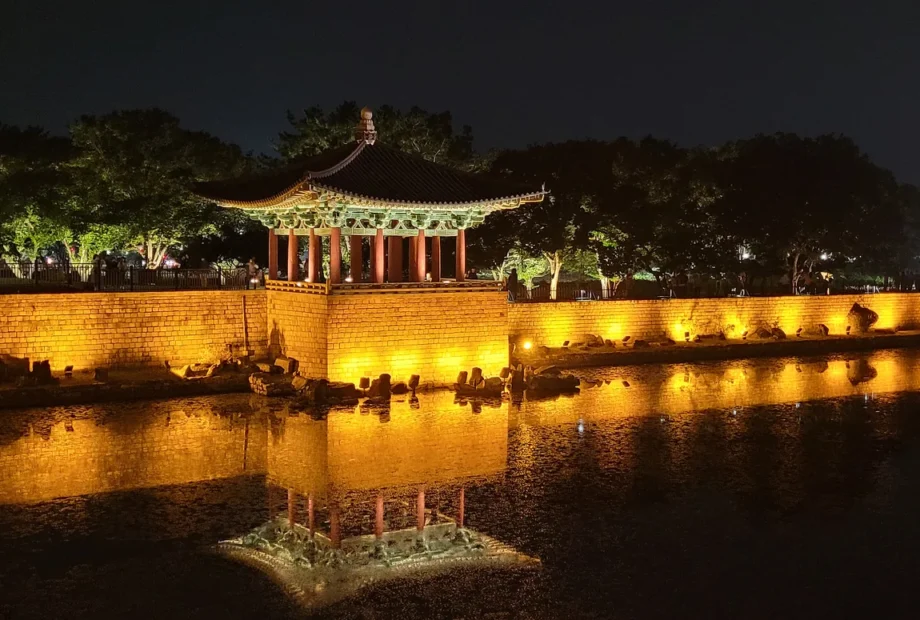
The city’s best attractions, including Donggung Palace and Wolji, are even more impressive at night.
Final Thoughts
Bulguksa Temple is much more than a historical landmark.
It offers a chance to experience Korean history, Buddhist culture, and traditional architecture in one of the country’s most beautiful settings.
Whether you’re visiting Gyeongju for a day or staying several nights, Bulguksa Temple should be one of your highest priorities.
Before planning the rest of your trip, don’t forget to read our Busan Travel Guide 2026 and Gyeongju Travel Guide 2026 for more travel inspiration.
Sources and Planning Notes
Transport and heritage references checked on October 3, 2026: Gyeongju tourism’s bus 10/11 route guide, Gyeongju tourism’s Bulguksa–Seokguram connection guidance, and UNESCO’s joint World Heritage listing. The temple’s own visitor page also could not be reached during the October 12 review. Published visiting hours, the separate exit time and free admission were rechecked against VISITKOREA on October 12, 2026; exact admission cutoffs and temporary notices still need confirmation before travel. The transport and heritage references above retain their October 3 review date. Visit durations in this guide are planning estimates, not measured guarantees.