Seokguram is a small stone sanctuary with a big place in Korea’s Buddhist heritage. The reason to go is the sculpture and its setting on Mount Toham—not a vast cave you can wander through. That distinction matters when you are deciding whether to add another mountain journey after Bulguksa.
The viewing stop can be brief; getting there and back takes more planning. If your Gyeongju day already involves a train, three cafés, and a sunset deadline, this is the point where the itinerary may need an editor rather than another attraction.
Table of contents
Is Seokguram Worth the Detour?
Choose Seokguram if Buddhist art, stone carving, or Silla history is a genuine interest, and you have room for the transfer and approach on foot. If you mainly want broad courtyards and several buildings to explore, start with Bulguksa Temple. Visiting only one is a choice, not a sightseeing failure.
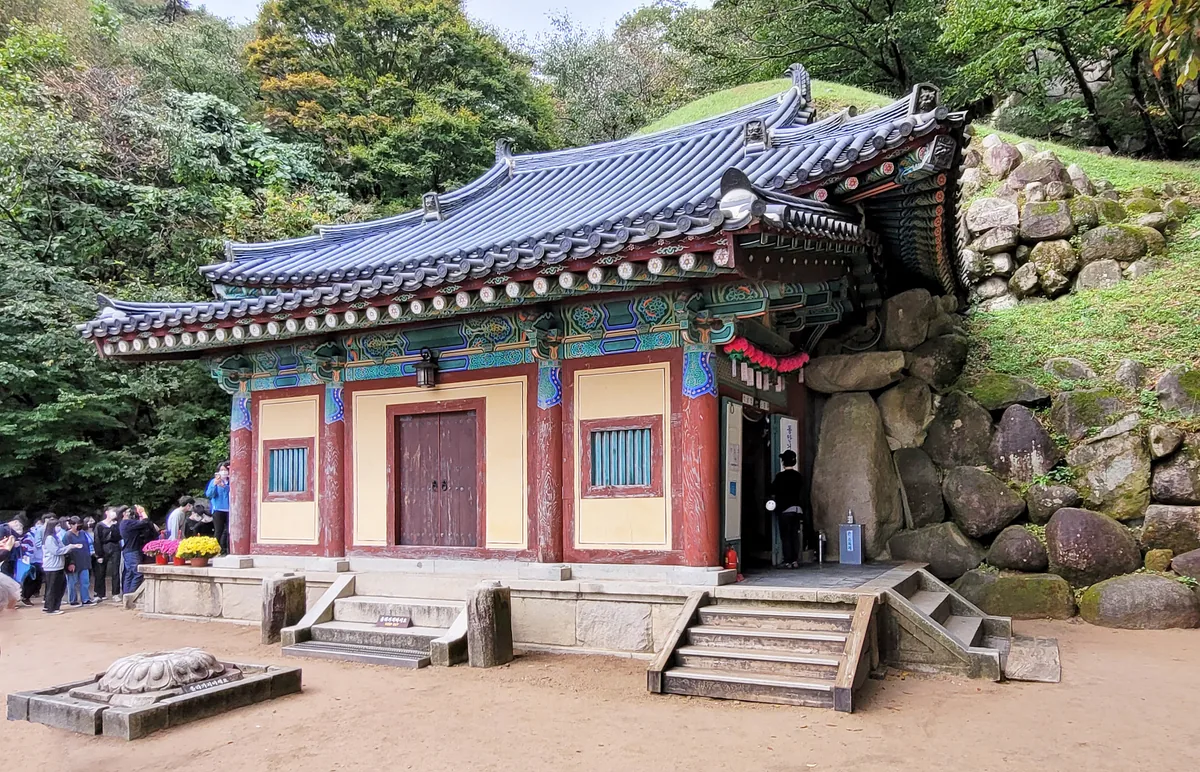
Built in the eighth century, Seokguram is an artificial stone grotto rather than a natural cavern. Its central seated Buddha and surrounding sculpted figures are the focus. Seokguram and Bulguksa share a World Heritage listing, but they are separate visits.
What You Actually See
Expect to view the Buddha from outside the protective glass barrier. Gyeongju’s heritage explanation makes clear that visitors do not have an unrestricted view of every carving in the chamber. Do not arrive expecting to walk around the statue or inspect each relief up close.
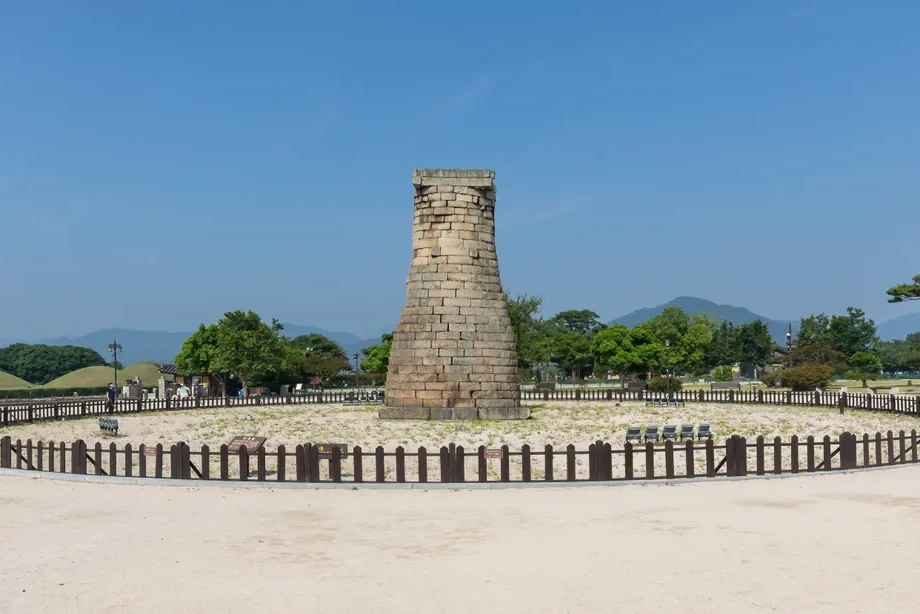
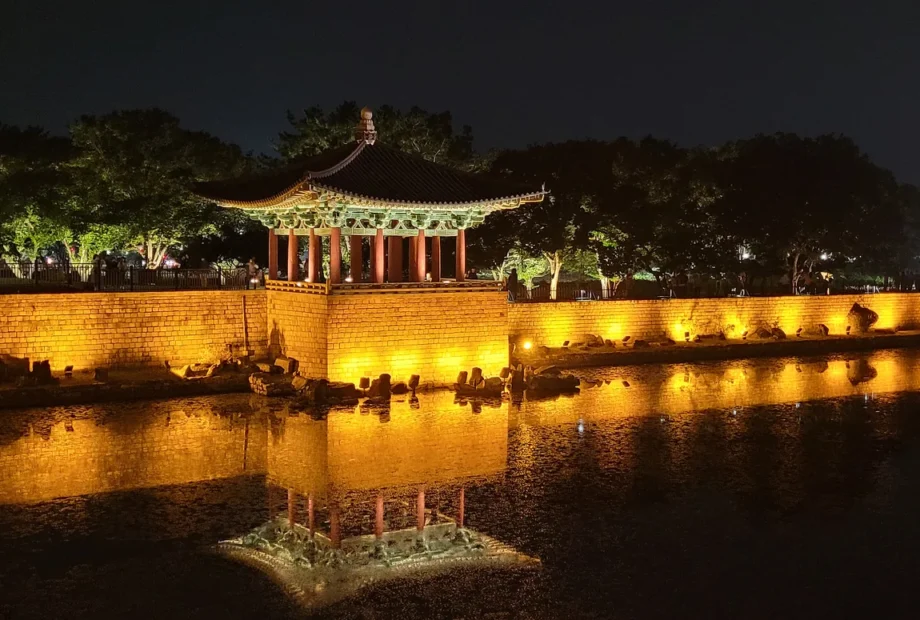
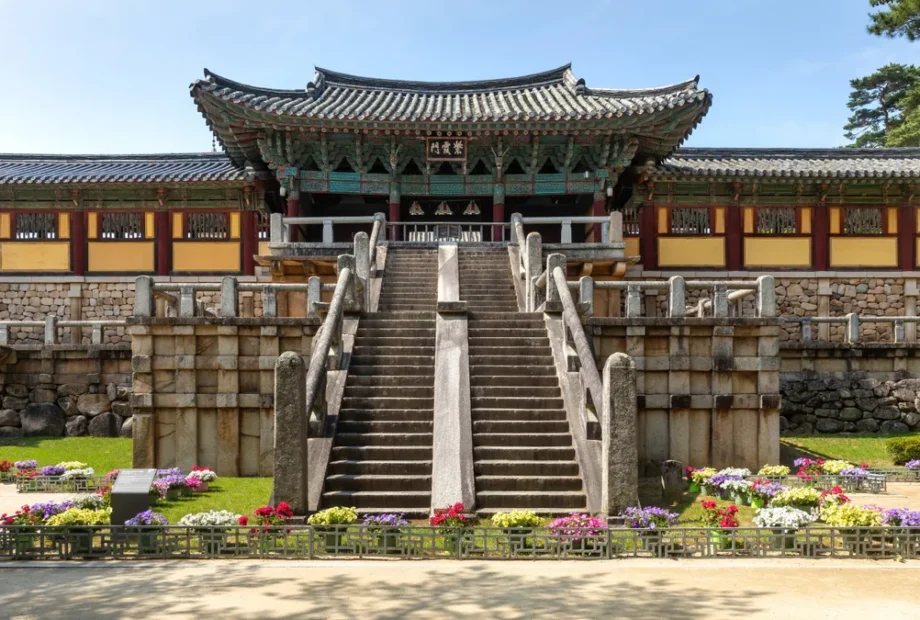
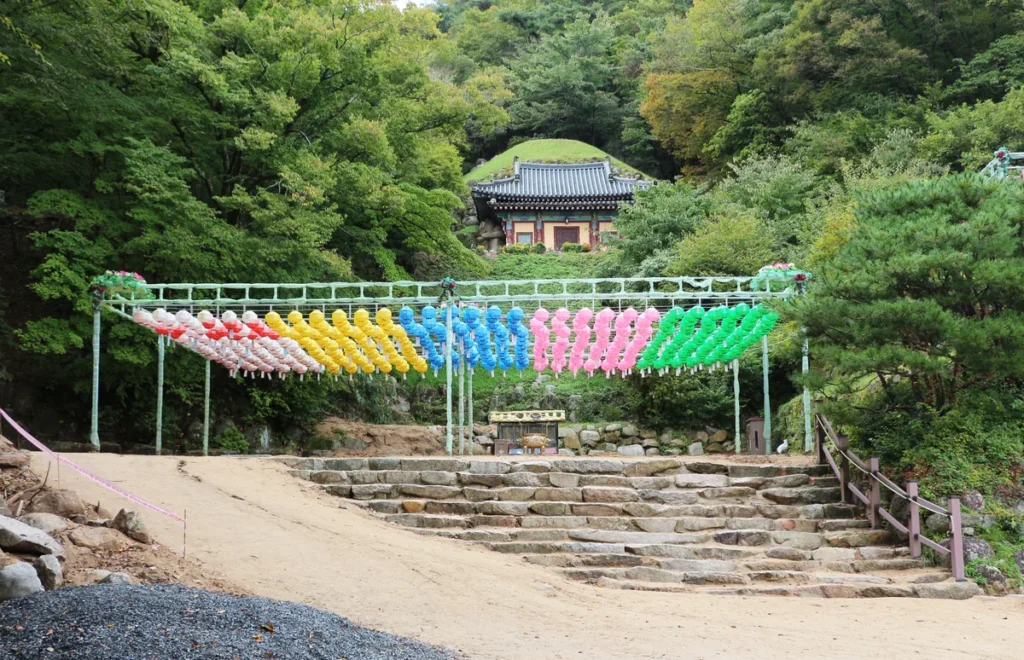
The photographs in this guide show the entrance and exterior approach, not the Buddha chamber or the exact view through the glass. They were taken in 2022 and are not route maps or promises of current decorations, weather or access.
Follow the signs and staff instructions about photography, keep your voice low, and do not assume that a picture online means you can take the same photograph on site. Give other visitors a turn at the viewing area rather than trying to turn a short visit into a private photo session.
Admission, Hours and Before-You-Go Checks
VISITKOREA’s current listing gives the address as 238 Seokgul-ro, Gyeongju-si and lists general admission as free. Transport and parking remain separate costs. You do not need to buy a day tour simply to enter the site.
The same listing gives 09:00–18:00 operating hours, with viewing until 19:00, but explicitly says hours may change. Treat those as published reference times, not a guarantee for your travel date. Confirm last admission and any temporary restrictions before a late visit, especially when daylight is short.
The grotto’s own visitor pages could not be reached during this October 4, 2026 review. For a same-day check, use the VISITKOREA contact details: +82-54-746-9933. Do not build a tight return plan around an unconfirmed closing time.
How to Get There—and Get Back
From Central Gyeongju
Gyeongju tourism’s route guidance describes buses 10 or 11 from the intercity/express bus-terminal area to Bulguksa, then a transfer to bus 12 for Seokguram’s parking area. Check your starting stop and the bus direction in Gyeongju’s live bus service; similar-looking bus numbers are not a substitute for checking the destination.
If you arrive by KTX, Gyeongju station is a separate starting point from the central bus terminals. Use our Gyeongju travel guide to plan that arrival leg before following the terminal-based route. Seokguram is not an attraction you can step into straight off the train.
From Bulguksa
Allow for the wait, the mountain road journey, and the walk from the arrival area. These are not adjacent entrances. VISITKOREA describes the sites as about 9 km apart by road; the shorter hiking distance is not a bus journey or confirmation that a trail is currently open.
Before riding up, check where the return bus leaves and today’s last departure. This review did not verify a current bus 12 timetable, so it does not promise an hourly service or a fixed last bus. Keep a screenshot of your chosen return connection and leave a buffer rather than finishing the visit at the departure time.
Taxi or Car
For a taxi, agree on whether the driver is waiting, the cost, and the return arrangement before departure. Do not assume another taxi will immediately be available at the top. With a car, allow time for parking and the approach on foot; reaching the parking area is not the same as arriving at the Buddha.
A Realistic Bulguksa and Seokguram Plan
Use 45–90 minutes around Seokguram as a planning allowance for the approach, viewing, and pauses—not a measured average or the time you spend facing the statue. Add transport and waiting separately. For both sites, leave a flexible half-day from your local base rather than squeezing them between train connections.
- Start with Bulguksa and give its courtyards and pagodas an unhurried visit.
- Check the uphill and downhill bus connection before adding Seokguram. If it is awkward, keep the temple visit and return to town.
- Visit the grotto without expecting access inside the chamber, then make your confirmed return connection.
- Only add Donggung Palace and Wolji for the evening if you still have time and energy; it is a separate central-city stop.
Weather, Walking and Sunrise Expectations
Spring and autumn can be appealing for the walk, but blossom and foliage conditions vary. In summer, bring water and allow for humidity; in winter, check the road and footpath conditions. Fog can replace a mountain panorama with a very convincing wall of white, so treat the view as a bonus rather than the only reason to go.
Gyeongju tourism warns that reaching the Tohamsan sunrise area in time by public transport is difficult. A sunrise photograph online is not a promise that the grotto is open before sunrise. The summit trail, the parking-area viewpoint, and the grotto visit are different plans; confirm access and arrange transport before attempting an early start.
Families can enjoy the visit, but assess the walk rather than assuming every part is easy with a stroller or wheelchair. This review did not confirm a step-free route. If mobility is a concern, ask the site about the exact approach before committing; a taxi reduces the road journey, not necessarily the walking.
Booking Options, Without Buying More Than You Need
Independent travel is an option. If arranged transport helps, check a tour’s exact stops, pickup point, language, cancellation policy, and time at each attraction before booking. A product title saying “Gyeongju” is not enough to prove it includes Seokguram.
Optional booking links below are affiliate links; we may earn a commission at no extra cost to you. You can compare rail options on Trip.com or compare Gyeongju tours on Klook. Confirm the actual product before paying; these are not endorsements of a checked departure or itinerary.
For navigation, download useful maps and save your return details before leaving town. If you need connectivity, read our Korea internet guide before choosing a plan. An optional eSIM booking link is useful only if the plan suits your device and trip—you do not need a new eSIM just to visit the grotto.
Continue Planning Gyeongju
Start with the Gyeongju city guide for arrival and the wider route. Pair this article with the Bulguksa guide for the temple, or choose the Cheomseongdae area if you prefer a central-city walking plan.
Seokguram is worth considering for what it is: a compact viewing experience with exceptional heritage, not a cave adventure or a guaranteed sunrise excursion. The sculpture can be the highlight. Getting home should not become the plot twist.
Official Sources and Review Scope
Reviewed October 4, 2026: Korea Tourism Organization / VISITKOREA for the address, published hours, free admission, contact and road distance; Gyeongju tourism for the bus-transfer route and sunrise access caveat; Gyeongju’s heritage explanation for the glass-barrier viewing limitation. These are published references, not a same-day operating confirmation.
Current last admission, temporary restrictions, bus 12 departures and step-free access were not confirmed. The site’s own pages were unavailable during the review. Suggested visit durations and itinerary choices are editorial planning estimates, not claims of personal visits or measured visitor averages.