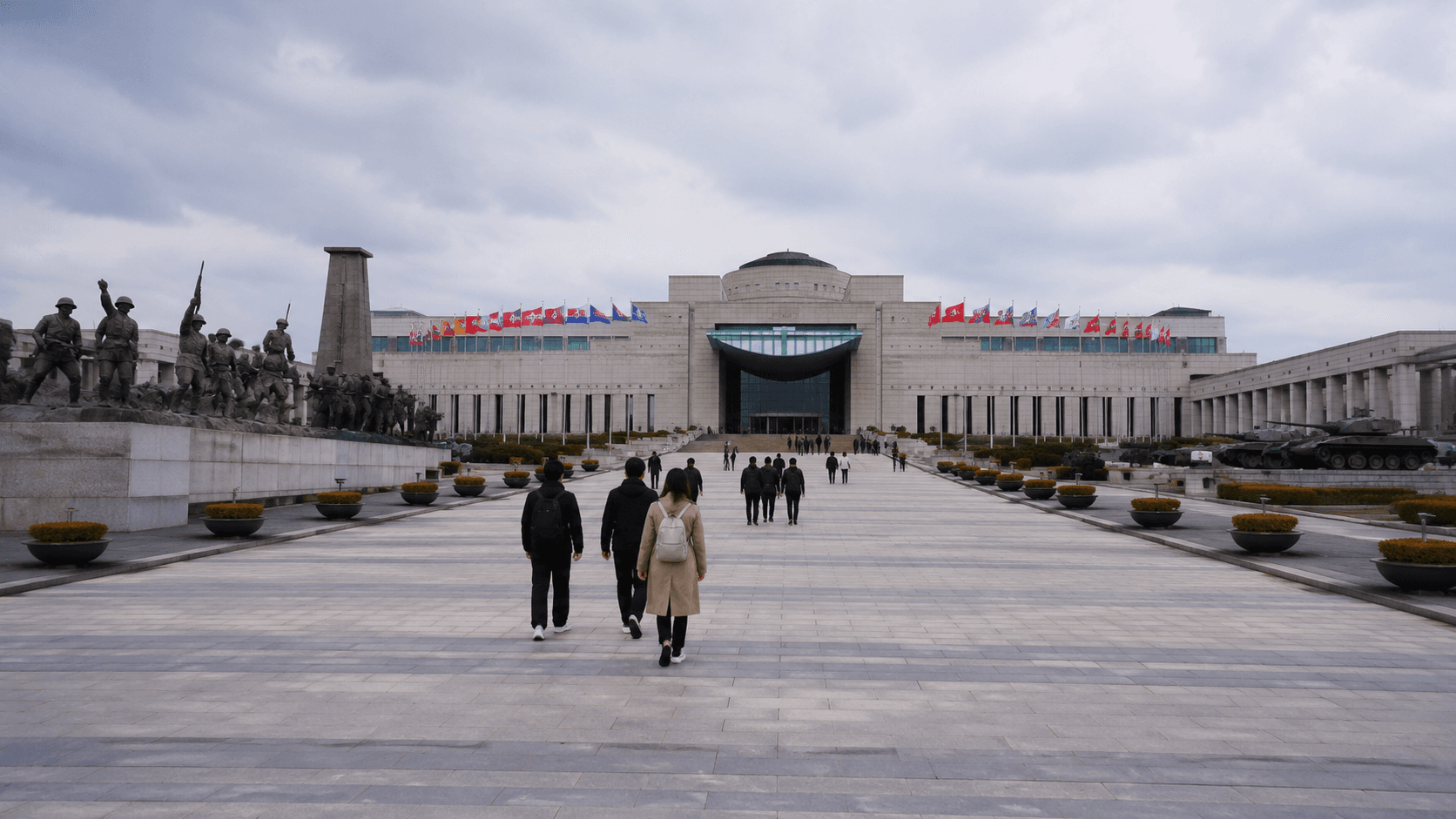
Located in Yongsan, the memorial is large, serious and free to enter. It covers war history, the Korean War, military artifacts, memorial spaces, outdoor displays and the lasting impact of conflict on the Korean Peninsula.
This is not the kind of attraction you visit for a light photo stop. It is educational, emotional and sometimes heavy. But it is also one of the best places in Seoul to understand why the Korean War still matters, why the division of the peninsula remains important and why modern South Korea’s history feels so close to the present.
For travelers, the War Memorial of Korea is also practical. It is indoors, easy to reach by subway and useful on rainy days. If you are staying near Yongsan, Itaewon, Seoul Station or Myeongdong, it can fit naturally into a half-day itinerary.
This War Memorial of Korea guide explains opening hours, free admission, how to get there, what to see inside, how long to spend, rainy-day tips, nearby route ideas and common mistakes to avoid in 2026.
Table of contents
Quick Answer: Is the War Memorial of Korea Worth Visiting?
Yes, the War Memorial of Korea is worth visiting if you want to understand Korean history, especially the Korean War and its lasting impact on South Korea.
It is best for history-focused travelers, first-time visitors who want deeper context, museum lovers, rainy-day planners, families with older children and travelers staying near Yongsan or Itaewon.
The memorial is usually open from 9:30 to 18:00, with last admission one hour before closing. It is usually closed on Mondays, and general admission is free. Holiday schedules can affect closures, so always check the official website before visiting.
Most travelers should plan around 2 to 3 hours. A quick visit can take 1.5 to 2 hours, but visitors who want to read exhibits carefully or explore outdoor displays may want longer.
The easiest subway access is Samgakji Station on Lines 4 and 6. From Exit 11, it is a short walk to the memorial.
If you are planning indoor cultural stops in Seoul, this museum pairs naturally with National Museum of Korea Guide 2026 and Best Indoor Things to Do in Seoul on a Rainy Day.
Basic Information: Hours, Admission and Location
The War Memorial of Korea is located in Yongsan, Seoul.
Address:
29 Itaewon-ro, Yongsan-gu, Seoul
Nearest subway station:
Samgakji Station, Lines 4 and 6
General opening hours:
Tuesday to Sunday: 9:30 to 18:00
Last admission:
One hour before closing
Closed:
Usually Mondays
Admission:
Free general admission
Special exhibitions, guided programs or temporary events may have separate rules or costs, so check the official website if you are visiting for something specific.
The memorial has both indoor exhibition halls and outdoor display areas. This matters for planning. The indoor areas work well on rainy, hot or cold days. The outdoor displays are better when the weather is clear or only lightly rainy.
Because the museum has a serious historical focus, it is better to visit when you have enough time and energy. This is not a “squeeze it in before dinner” attraction unless you only want a very quick overview.
How to Get to the War Memorial of Korea
The easiest way to get to the War Memorial of Korea is by subway.
Take Seoul Subway Line 4 or Line 6 to Samgakji Station and use Exit 11. From there, it is a short walk to the memorial entrance.
Samgakji Station is fairly convenient because it connects well with central Seoul. If you are coming from Myeongdong, Seoul Station, Dongdaemun, Itaewon, Yongsan or Gangnam, you may need a transfer, but the route is manageable.
Use Naver Map or Kakao Map for the most accurate walking route. Google Maps can be less reliable for detailed public transportation directions in Korea.
If you are new to Seoul public transportation, read Seoul Subway Guide before visiting. It will make the route easier, especially if this is your first time using subway transfers in the city.
Taxi can also work, especially if you are traveling with older family members or visiting on a rainy day. However, subway is usually the simplest option because Samgakji Station is close to the memorial.
What to See Inside the War Memorial of Korea
The War Memorial of Korea is large and has multiple indoor and outdoor areas.
Do not try to treat it like a small museum where you can casually walk through every room in 30 minutes. This place needs time. It also needs a little mental space, because the subject matter is serious.
A good first visit should focus on the main memorial areas, Korean War exhibitions, broader war history displays and outdoor monuments if the weather is good.
1. Memorial Hall
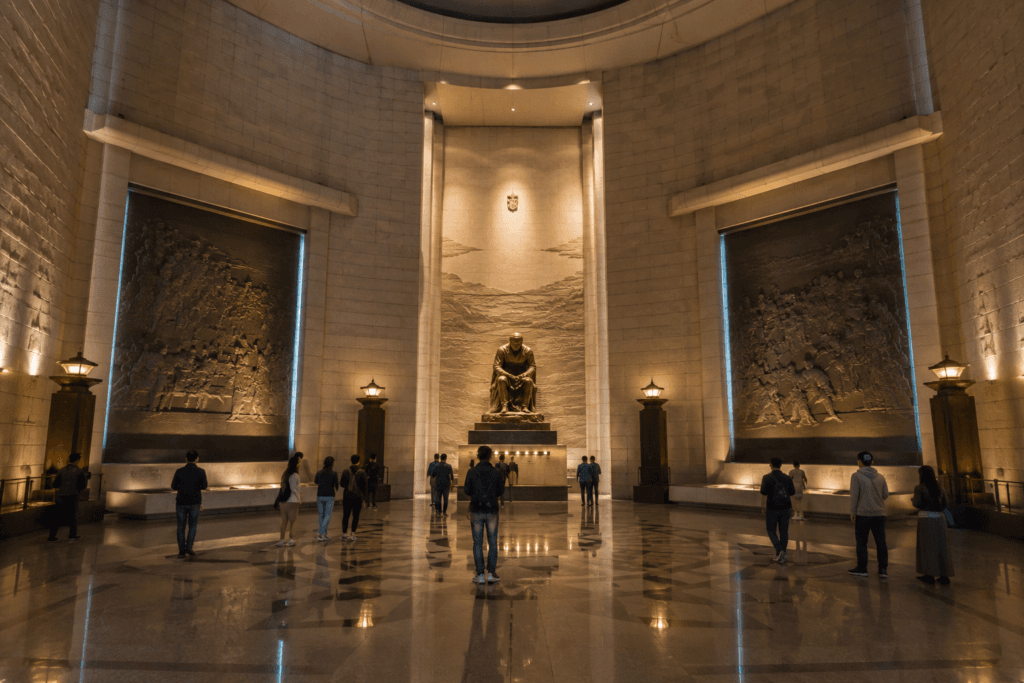
Start with the Memorial Hall to understand the tone of the museum.
This area sets the mood for the visit. It reminds visitors that the War Memorial of Korea is not only a military museum. It is also a place of remembrance.
Before moving into timelines, equipment and historical explanations, take a moment to understand the memorial purpose of the space. This helps the rest of the visit feel more respectful and meaningful.
For foreign visitors, the Memorial Hall can also make the museum easier to understand emotionally. Korea’s modern history is not distant here. It is still connected to families, memory, national identity and the ongoing division of the peninsula.
This is not the section to rush. Let the place introduce itself.
2. Korean War Exhibition Rooms
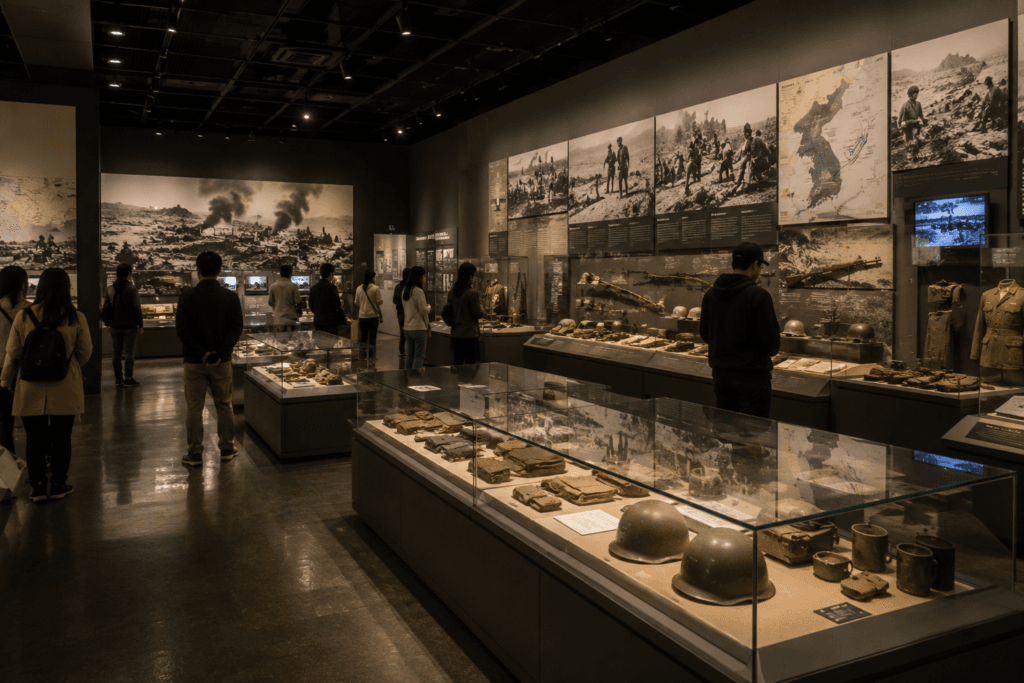
The Korean War exhibition rooms are the heart of the museum for many visitors.
These exhibits help explain the causes, progress and impact of the Korean War. For travelers who only know the Korean War as a short paragraph from school or a line in a history documentary, this section gives much more context.
The Korean War is essential to understanding modern South Korea. It shaped the country’s security, politics, economy, society and relationship with North Korea. It also explains why the DMZ, military service and reunification questions are still part of Korean life today.
This section can feel heavy, but it is important. It is one of the main reasons the War Memorial of Korea is worth visiting.
Take your time here. Read enough to understand the flow, but do not pressure yourself to absorb every detail. History does not become more meaningful just because your feet are suffering.
3. War History Room
The War History Room helps visitors understand a broader timeline before focusing on the modern period.
This section usually places conflict in a longer historical context, showing that Korea’s military history did not begin with the Korean War. For foreign travelers, it can help connect ancient, pre-modern and modern history into one longer story.
This is especially useful if you are also visiting places like Gyeongbokgung Palace, Gyeongju, the National Museum of Korea or historic sites around Seoul.
The War History Room is a good reminder that Korean history has many layers. The Korean War is central, but it sits within a much longer national story.
For more historical context, read National Museum of Korea Guide 2026.
4. Modern Korean Military Exhibitions
The memorial also includes exhibitions related to South Korea’s modern military development and overseas missions.
These areas may be especially interesting for visitors who want to understand South Korea’s military role after the Korean War, not only the war itself. They can also help explain how South Korea rebuilt, modernized and became involved in broader international security contexts.
For casual travelers, this section may feel more specialized. You do not need to study every display. Focus on the parts that help you understand Korea’s modern development and international connections.
For military history fans, this area can add depth to the visit.
5. Military Equipment Displays
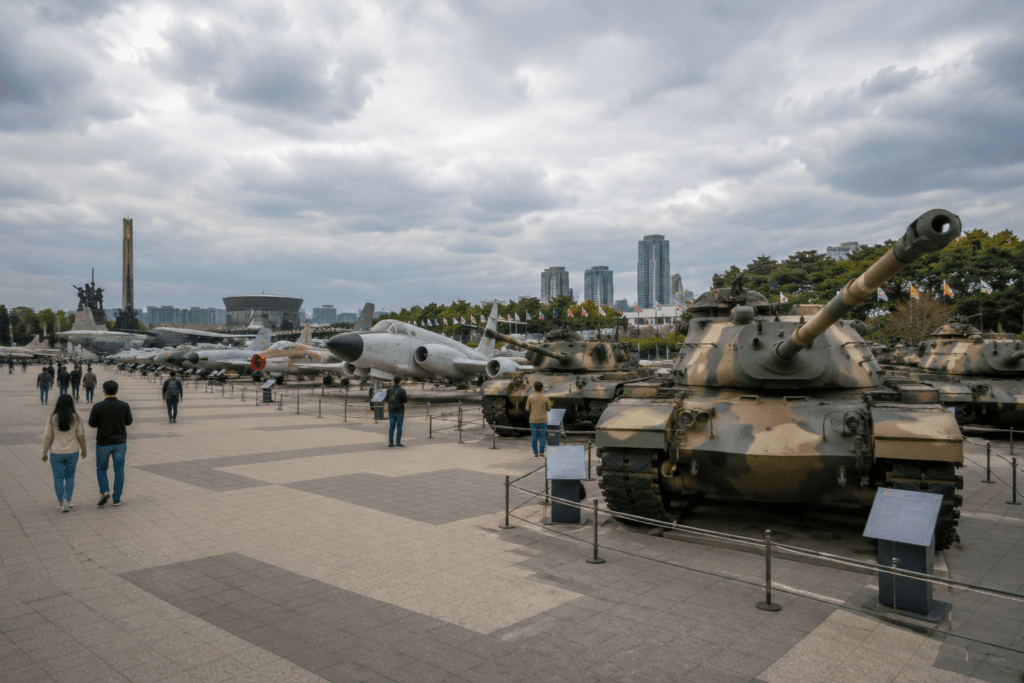
The War Memorial of Korea has major displays of military equipment, including vehicles, aircraft and other large-scale objects.
Some displays are indoors, while others are outdoors. These areas can be visually impressive even for visitors who are not military history experts.
Families with older children may find this part easier to engage with because large equipment is more visual and direct than text-heavy displays. However, parents should still remember that the museum’s subject is war, not entertainment.
This section is best approached with balance. The equipment is interesting, but the memorial context matters.
A tank is not just a big object for a photo. At this museum, every object points back to conflict, loss and history.
6. Outdoor Exhibition Area
The outdoor exhibition area is one of the most visible parts of the War Memorial of Korea.
If the weather is good, leave extra time to walk around the outdoor displays. You may see large military equipment, monuments and open spaces that add scale to the visit.
However, on rainy days, very hot days or cold winter days, the outdoor area can be less comfortable. In that case, prioritize the indoor exhibition halls first.
This is especially important for rainy-day travelers. The museum is still a strong indoor option, but the outdoor displays are better saved for light rain or clear weather.
A practical approach is simple: see the indoor exhibits first, then decide whether the outdoor area is worth adding based on the weather and your energy.
7. Statue of Brothers
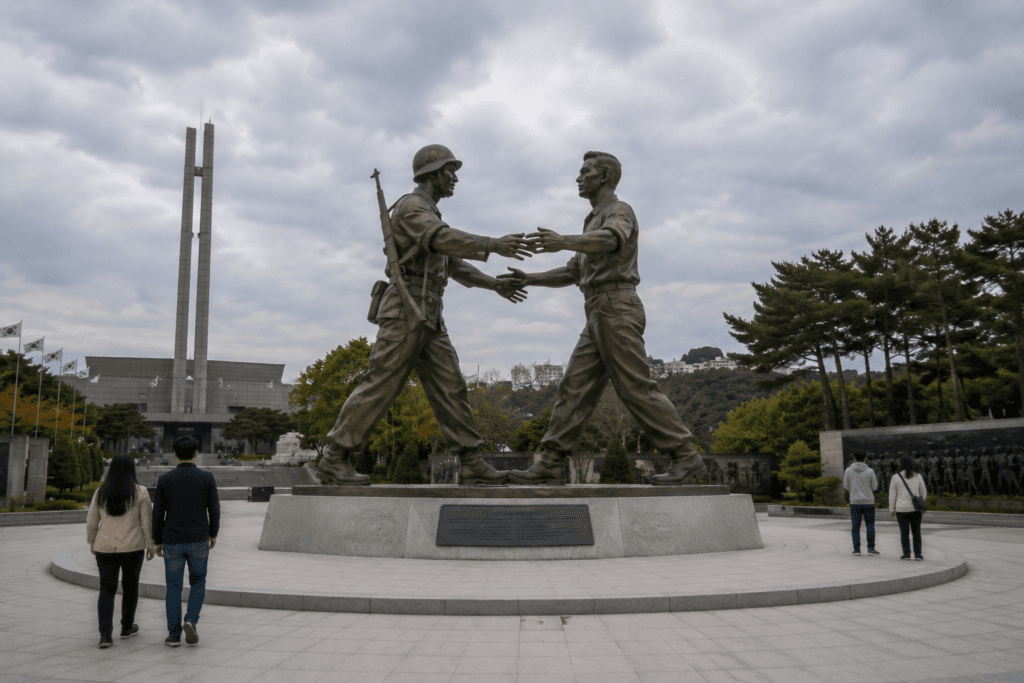
The Statue of Brothers is one of the most symbolic outdoor monuments at the War Memorial of Korea.
It represents division, reconciliation and the hope for reunification. For visitors trying to understand Korea beyond tourist attractions, this monument is worth noticing.
The symbolism is powerful because the Korean War was not only a war between armies. It divided families, communities and a peninsula that remains separated today.
If the weather allows, include this stop after your indoor visit. It adds emotional weight to the museum experience and helps connect the exhibits to Korea’s continuing reality.
This is one of those places where a short pause says more than another photo.
Is the War Memorial of Korea Good on a Rainy Day?
Yes, the War Memorial of Korea is a good rainy-day attraction in Seoul.
The indoor exhibition halls are large enough to carry a meaningful visit. If rain changes your outdoor plans, the memorial can become a strong substitute for a walking-heavy itinerary.
However, the outdoor exhibition area is less ideal during heavy rain. If the weather is bad, focus on the indoor galleries and save outdoor displays for another visit or a lighter rain moment.
This is a good rainy-day choice for travelers who want something serious and educational rather than a shopping mall or cafe day.
If you are planning a rainy Seoul itinerary, read Best Indoor Things to Do in Seoul on a Rainy Day and Rainy Season Korea Guide.
A rainy day can actually fit the mood here. The museum is quiet, thoughtful and mostly indoors. It is not cheerful in the usual travel sense, but it can be deeply memorable.
How Long Should You Spend?
Most travelers should plan around 2 to 3 hours at the War Memorial of Korea.
A quick visit can take 1.5 to 2 hours if you focus on the main memorial areas and Korean War exhibitions.
A normal visit takes 2 to 3 hours and gives you time to see the major indoor sections without rushing.
History-focused travelers may want 3 to 4 hours, especially if they enjoy reading exhibit text, studying military history or visiting outdoor displays.
If you want to include the outdoor exhibition area and monuments, add another 30 to 60 minutes depending on your pace and the weather.
Do not underestimate the museum’s emotional weight. You may not want to pair it with too many intense activities on the same day. After this visit, your brain may ask for coffee, quiet or a very ordinary bowl of noodles. Listen to it.
Best Time to Visit
The best time to visit the War Memorial of Korea is usually a weekday morning or early afternoon.
Weekday mornings tend to be calmer than weekends, and you will have enough time to see the exhibits before last admission. Early afternoon can also work well if you are combining the memorial with nearby Yongsan or Itaewon.
Avoid arriving too close to closing time. Last admission is usually one hour before closing, and the museum deserves more than a rushed visit.
Remember that the memorial is usually closed on Mondays. Holiday schedules can also affect closures, especially if a public holiday falls around the regular closing day.
Rainy days are fine for the indoor halls, but outdoor exhibits are better in clear weather or light rain.
For seasonal planning, read Korea Weather by Month.
What to Combine Nearby
The War Memorial of Korea is located in Yongsan, so it combines well with nearby cultural, food and neighborhood plans.
One natural pairing is the National Museum of Korea. Both are in Yongsan, both are large museums and both help visitors understand Korean history from different angles. However, doing both deeply on the same day can be tiring.
A better option is to choose one as your main museum and keep the other for a separate day, unless you are a serious museum lover.
You can also combine the War Memorial with Itaewon for food afterward. Itaewon has many international restaurants and cafes, making it a practical place to decompress after a serious museum visit.
If the weather is good, you can consider nearby Yongsan or Han River routes. If it rains, keep your plan simple: memorial, meal, cafe, then rest.
For food ideas after the museum, read What to Eat in Korea.
Common Mistakes to Avoid
Forgetting That the Museum Is Usually Closed on Mondays
This is one of the most important practical details.
The War Memorial of Korea is usually closed on Mondays, and holiday schedules can affect closures. Always check before visiting.
Nothing makes a history day collapse faster than arriving at a closed museum with full confidence and empty plans.
Arriving Too Close to Closing Time
Last admission is usually one hour before closing.
Even if you can enter, arriving late gives you too little time to understand the exhibits properly. Plan at least 2 hours if possible.
Treating It Like a Light Tourist Attraction
The War Memorial of Korea is meaningful, but it is serious.
Do not approach it like a quick photo spot. The subject matter includes war, loss, division and national memory. Give the space some respect and time.
Skipping the Indoor Exhibitions for Outdoor Photos Only
The outdoor displays are visually interesting, but the indoor exhibitions provide the historical context.
If your time is limited, prioritize the indoor Korean War and memorial sections first.
Trying to Combine Too Many Heavy Museums in One Day
The National Museum of Korea and War Memorial of Korea are both excellent, but visiting both deeply on the same day can be mentally tiring.
Choose one as the main focus unless you truly enjoy long history-focused days.
Ignoring the Weather for Outdoor Displays
The museum is good on rainy days, but the outdoor exhibition area is better when the weather is clear or lightly rainy.
On heavy rain days, stay indoors and do not force the outdoor section. Your shoes have rights too.
FAQ: War Memorial of Korea Guide 2026
Is the War Memorial of Korea free?
Yes, general admission to the War Memorial of Korea is free. Special exhibitions or programs may have separate rules or fees.
Where is the War Memorial of Korea located?
The War Memorial of Korea is located at 29 Itaewon-ro, Yongsan-gu, Seoul.
What is the closest subway station?
Samgakji Station on Lines 4 and 6 is the easiest subway access. Exit 11 is a short walk from the memorial.
What are the opening hours?
The memorial usually opens from 9:30 to 18:00, Tuesday to Sunday. Last admission is usually one hour before closing.
Is the War Memorial of Korea closed on Mondays?
Yes, it is usually closed on Mondays. If Monday is a public holiday, closure schedules can change, so check the official website before visiting.
Is the War Memorial of Korea worth visiting?
Yes, it is worth visiting if you want to understand modern Korean history, especially the Korean War and its impact on the peninsula.
How long do you need at the War Memorial of Korea?
Most travelers should plan 2 to 3 hours. A quick visit can take 1.5 to 2 hours, while history-focused visitors may want 3 to 4 hours.
Is it good on a rainy day?
Yes, the indoor exhibition halls make it a strong rainy-day option. However, the outdoor displays are better in clear weather or light rain.
Is the War Memorial of Korea good for families?
It can be good for families with older children, especially if they are interested in history. For very young children, the subject matter may feel heavy.
Can I take photos inside?
Photography rules can vary by exhibition area. Follow signs inside the museum, avoid flash where restricted and be respectful in memorial spaces.
Can I visit the National Museum of Korea and War Memorial of Korea on the same day?
Yes, it is possible, but it can be tiring if you try to see both deeply. It is better to choose one as the main museum unless you love long history-focused days.
Is it too sad or heavy for tourists?
It is serious, but not only sad. The museum is educational, spacious and thoughtfully organized. It can be meaningful even for travelers who are not military history experts.
Final Thoughts
The War Memorial of Korea is one of Seoul’s most important indoor history attractions.
It is not the lightest stop on a Korea itinerary, but it may be one of the most meaningful. The memorial helps visitors understand the Korean War, modern Korean history, national memory and the ongoing division of the peninsula.
Come with enough time. Do not rush through it as a photo stop. Focus on the indoor exhibitions first, then add the outdoor monuments and equipment displays if the weather is good.
For rainy days, it is a strong indoor choice. For history-focused travelers, it is close to essential.
The War Memorial of Korea reminds visitors that Seoul is not only a city of cafes, palaces, shopping streets and skyline views.
It is also a city built around memory.
And sometimes, understanding that memory makes the rest of the trip feel deeper.