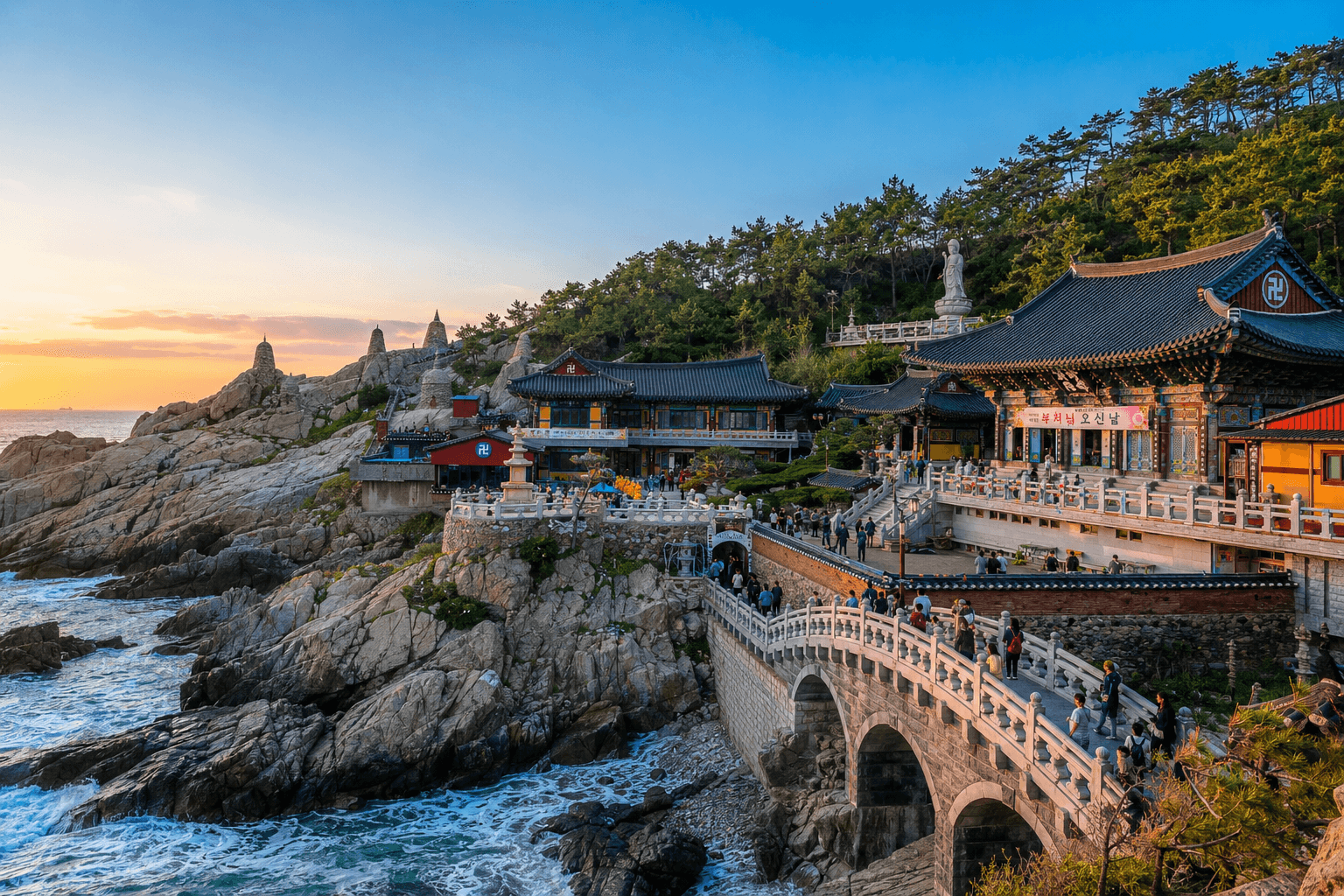
Most Korean temples are hidden in mountains. Haedong Yonggungsa did not get that memo: its tiled roofs, stone lanterns and prayer halls sit on Busan’s rocky eastern coast with waves doing most of the background music.
The setting is dramatic, but the practical details matter. The temple is far from central Busan, the main route includes 108 steps, and the buses that work for a daytime visit may not deliver you for sunrise.
This guide explains the current entry hours, the two useful public-transport routes and how to pair the temple with Haeundae or Blue Line Park. Come for the sea view, but give your shoes and timetable a vote too.
Table of contents
What Is Haedong Yonggungsa Temple?
Haedong Yonggungsa is a Buddhist temple located on the rocky eastern coastline of Busan.
The temple is often described as one of Korea’s most unique temples because of its seaside setting. Many Korean temples are built deep in the mountains, surrounded by forest and hiking trails. Haedong Yonggungsa is different. Here, traditional Korean temple architecture meets ocean cliffs, stone stairways, bridges, and coastal views.
The temple is said to have been originally founded in 1376 during the Goryeo Dynasty. Over time, it has become one of Busan’s most famous attractions, especially for travelers who want a mix of culture and scenery.
The site includes temple halls, statues, stone pagodas, prayer areas, the famous stairway down toward the sea, and several viewpoints looking across the water. The sound of waves is part of the experience. It is not background music. It is the temple’s very committed side character.
Is Haedong Yonggungsa Worth Visiting in 2026?
Yes, Haedong Yonggungsa is absolutely worth visiting in 2026, especially if this is your first trip to Busan.
It is one of the few famous Korean temples located directly beside the sea, and that alone makes the visit memorable. The combination of Buddhist architecture, rocky coastline, ocean views, and sunrise scenery gives the temple a completely different feeling from mountain temples near Seoul or Gyeongju.
It is also a good addition to a Busan itinerary because it pairs naturally with Haeundae Beach, Haeundae Sky Capsule, and the eastern coastline. If Haeundae gives you Busan’s modern beach side, Haedong Yonggungsa gives you its spiritual coastal side.
That said, it is not in central Busan. Getting there takes more effort than visiting Jagalchi Market or Gwangalli Beach. The temple can also become crowded during weekends, public holidays, cherry blossom season, Buddha’s Birthday season, and sunrise periods.
Still, the view is strong enough to justify the journey. Some attractions are famous because they are convenient. Haedong Yonggungsa is famous because it looks like it should be on a postcard, a calendar, and someone’s phone lock screen all at once.
Quick Visitor Information
| Item | Details |
|---|---|
| Name | Haedong Yonggungsa Temple |
| Korean Name | 해동용궁사 |
| Location | Gijang-gun, Busan |
| Address | 86 Yonggung-gil, Gijang-eup, Gijang-gun, Busan |
| Admission | Free |
| Opening Hours | Daily 04:30–19:20 |
| Last Entry | 18:50 |
| Best Visit Length | 1.5 to 2.5 hours |
| Best Time | Weekday morning; sunrise requires an early taxi or private transport |
| Good For | Ocean views, temple culture, photography, sunrise, Busan coastal itinerary |
| Accessibility Note | Stairs, slopes and uneven stone paths are central to the usual route |
| Nearby Areas | Osiria, Songjeong, Cheongsapo, Mipo and Haeundae |
The official listings show daily opening from 04:30 to 19:20 with final entry at 18:50 and free admission. Ceremonies, severe weather and special dates can still affect access, so check again before a sunrise or holiday visit.
Why Visit Haedong Yonggungsa?
Haedong Yonggungsa is one of the best places in Busan for travelers who want culture and scenery in the same stop.
Visitors come here for:
- Temple roofs and prayer halls directly beside the sea
- The 108-step descent and coastal viewpoints
- Sunrise Rock, stone lanterns, pagodas and Buddhist statuary
- An efficient east Busan route with Osiria, Songjeong or Haeundae
The main reason to visit is the setting. The temple is beautiful, but the coastline makes it unforgettable. Waves crash below the stone paths, temple roofs sit above the rocks, and the sea keeps appearing from different angles as you move through the grounds.
The first thing many visitors notice is how different it feels from other temples in Korea. There is less forest silence and more ocean drama. It still feels spiritual, but not in a whispering way. More like the temple invited the sea to participate, and the sea arrived loudly.
Best Things to See at Haedong Yonggungsa
Walk Down the 108 Steps
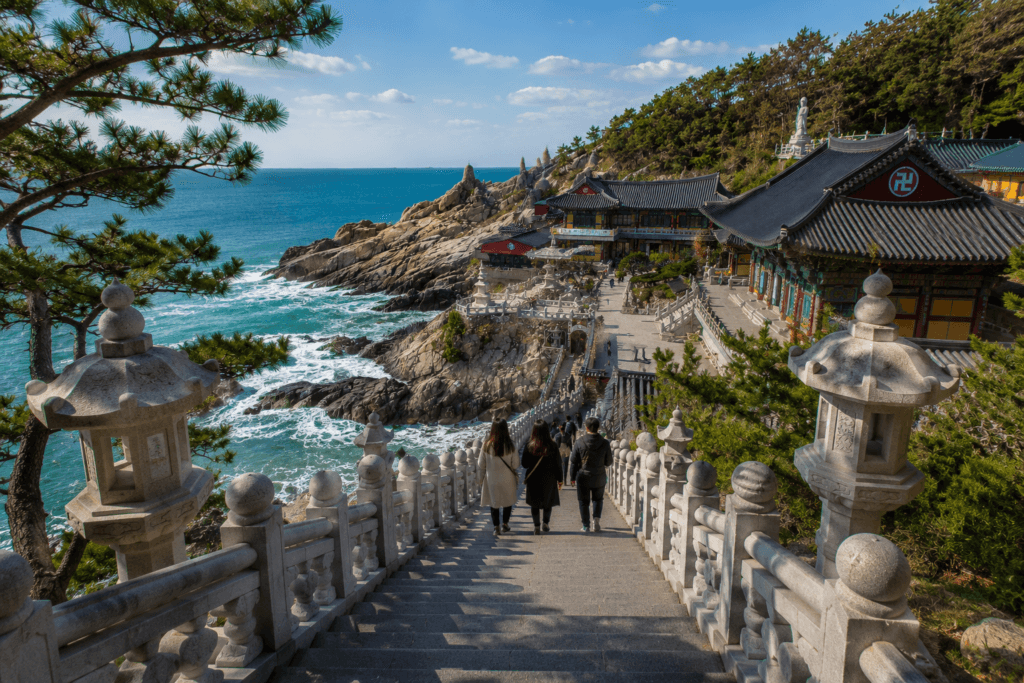
One of the most memorable parts of visiting Haedong Yonggungsa is walking down the stone steps toward the temple.
The path begins near the entrance area, where you pass statues, small shops, and temple features before descending toward the coast. As you walk down, the ocean gradually comes into view. This is one of those small travel moments that feels better in real life than in a guidebook sentence.
The steps are not extremely difficult, but they can feel crowded during busy times. Take your time, watch your footing, and let faster visitors pass if needed. The reward is the reveal: temple buildings, sea cliffs, and blue water suddenly opening up below.
This is also one of the best photo areas, but be patient. The staircase is narrow in places, and everyone else has also discovered that it is beautiful. The stairs are not your private photo studio, unfortunately. They have a full-time job moving people up and down.
See the Main Temple Area
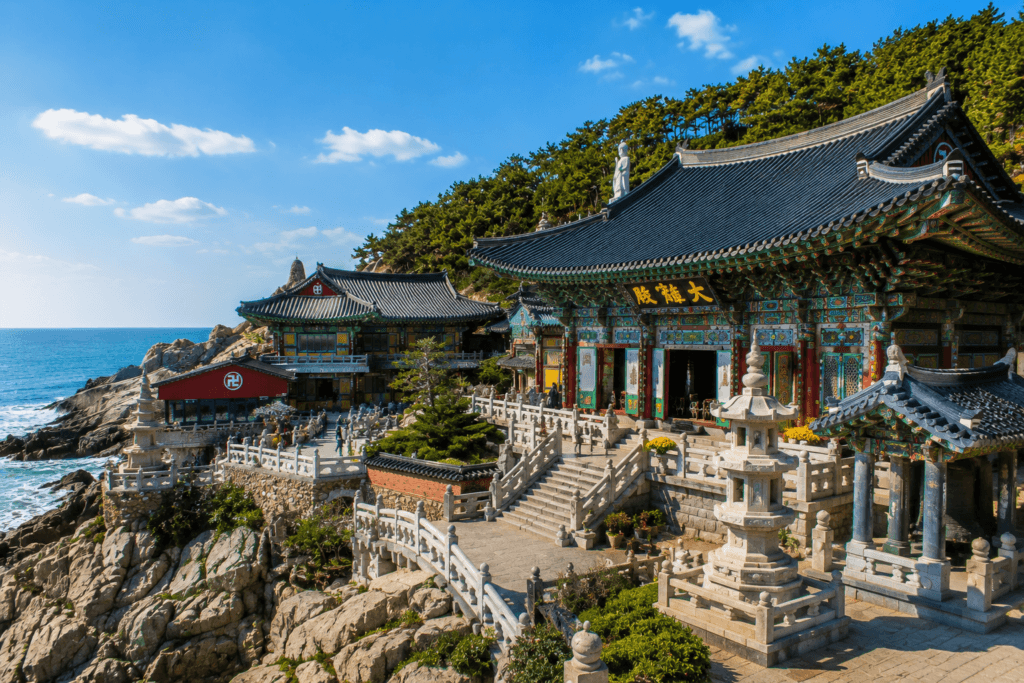
The main temple area sits close to the ocean, which makes it feel very different from inland temples.
You will see traditional Korean temple buildings with colorful wooden details, tiled roofs, prayer areas, lanterns, statues, and visitors stopping to bow or take photos. The architecture is beautiful on its own, but the sea behind it changes the atmosphere completely.
Listen for the waves while walking through the temple grounds. The sound adds something that most mountain temples do not have. It makes the place feel open, alive, and slightly dramatic in the best way.
Remember that this is an active Buddhist temple, not only a sightseeing spot. Move respectfully, keep voices low around prayer areas, and avoid blocking worshippers for photos.
Visit the Coastal Viewpoints
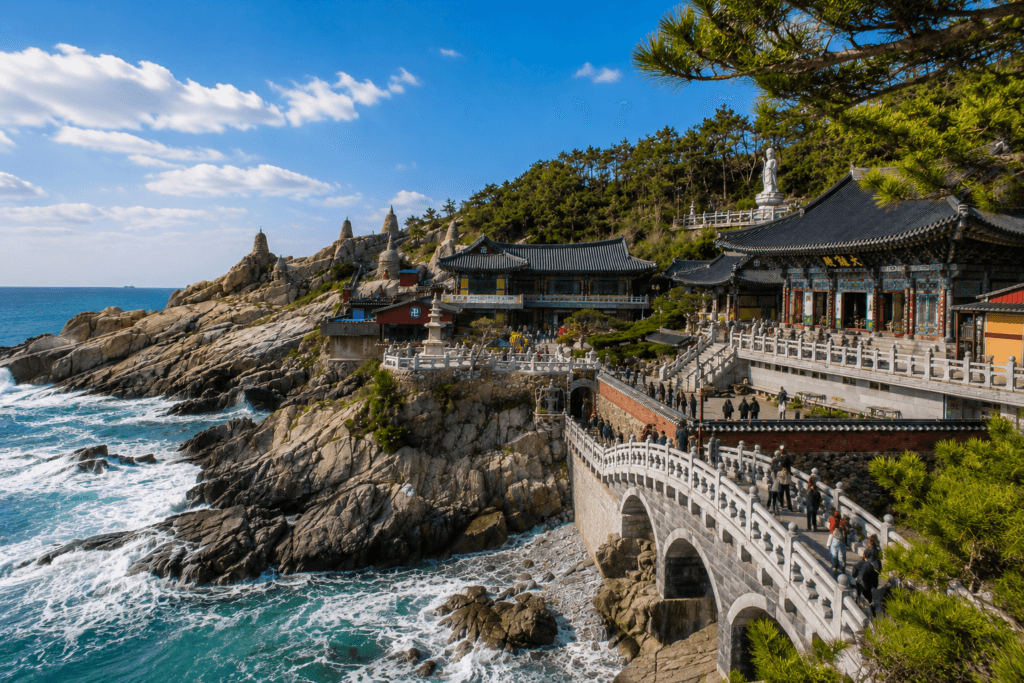
The coastal viewpoints are the biggest visual highlight.
From different points around the temple, you can see the East Sea, rocky cliffs, stone bridges, temple rooftops, and waves crashing below. On a clear day, the colors can be stunning: blue water, gray rocks, green pines, and bright temple details.
This is where Haedong Yonggungsa really separates itself from other temples. You are not only looking at a building. You are looking at a full coastal scene.
Early morning gives the cleanest atmosphere and fewer crowds. Late afternoon can also be beautiful if the light is soft, although the temple closes in the evening, so check timing carefully.
Look for the Haesu Gwaneum Daebul Statue
The large Haesu Gwaneum Daebul statue, associated with the Goddess of Mercy, is one of the recognizable features of the temple complex.
Many visitors stop here to pray, take photos, or simply pause before continuing through the grounds. The statue adds to the spiritual character of the site and reminds visitors that Haedong Yonggungsa is more than a scenic viewpoint.
If you are not familiar with Buddhist traditions, observe quietly and respectfully. You do not need to understand every symbol to appreciate the atmosphere.
Notice the Stone Pagodas and Lanterns
Throughout the temple grounds, you will find stone pagodas, lanterns, small statues, and prayer objects.
These details make the temple more interesting when you slow down. It is easy to focus only on the ocean view, but the smaller elements give the place texture. They also create good photo opportunities without needing to stand in the busiest viewpoint spots.
The best visit is not a race to the main photo angle. Walk slowly. Look at the rooflines, carvings, lanterns, statues, and paths. Haedong Yonggungsa is generous with details, but only if you stop charging through like a tour bus with shoes.
Best Time to Visit Haedong Yonggungsa
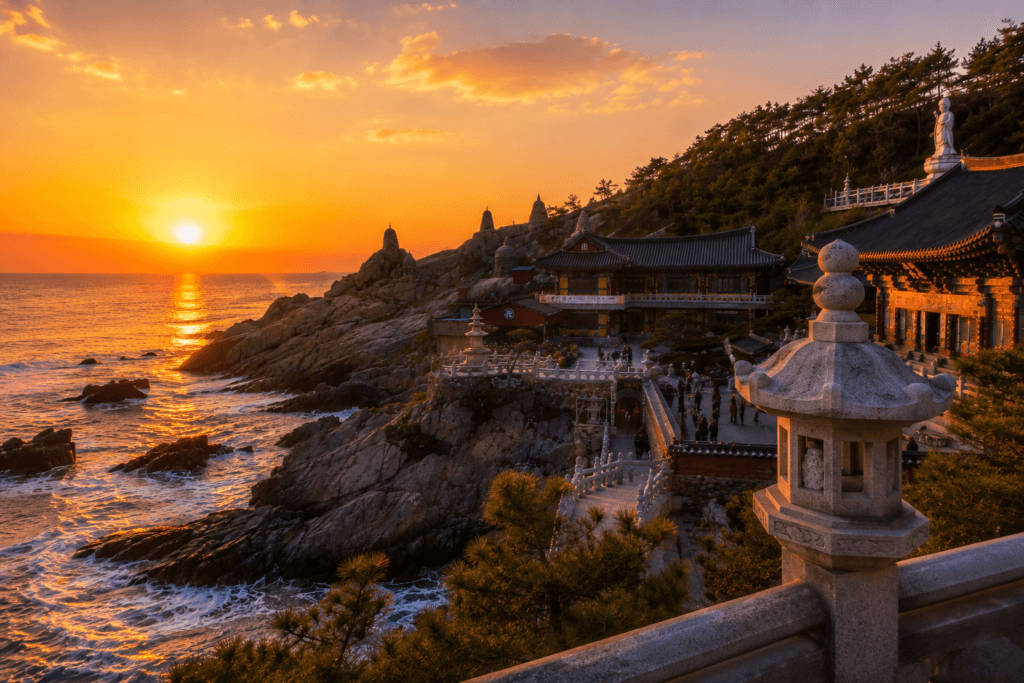
The best time to visit Haedong Yonggungsa is early morning.
Morning visits have several advantages. The crowds are lighter, the air is calmer, the light is softer, and sunrise can be spectacular if the weather cooperates. Since the temple faces the sea, it is one of Busan’s most popular sunrise spots.
Sunrise is possible because entry begins at 04:30, but normal visitor buses may not run early enough for the day’s sunrise. Check the sunrise time and live transport schedule for your date; from Haeundae, a pre-arranged taxi is usually the practical option before dawn.
Spring is beautiful because cherry blossoms and seasonal flowers may appear near the entrance area. Late March to early April is often the key period, but bloom timing changes each year.
Autumn is another excellent season because the weather is cooler and skies are often clearer. Walking around the temple is more comfortable, and the coastline views can be sharp.
Summer can be hot and humid, so visit early if possible. Winter can be cold and windy, but sunrise and ocean views can feel very peaceful. Bring layers because the sea breeze has no interest in your fashion optimism.
Photography Tips
Haedong Yonggungsa is one of Busan’s best photography locations.
The most popular photo spots include:
- The staircase reveal before the main temple area
- The stone bridge and temple roofs against the coast
- Sunrise Rock and open-sea viewpoints
- The Haesu Gwaneum Daebul statue and smaller architectural details
For cleaner photos, arrive early. By late morning, the main paths can become crowded, especially on weekends. If you want photos without many people, weekdays are much easier.
Use the ocean as part of the composition. The temple is beautiful, but the real magic is the relationship between the buildings and the coastline.
Also, watch your step while taking photos. Stone paths, stairs, and wet coastal areas require attention. No photo is worth becoming a minor cautionary tale.
How to Get to Haedong Yonggungsa
Haedong Yonggungsa is in Gijang, northeast of central Busan. These are the two clearest public-transport approaches in the current official guidance:
- From Haeundae: Leave Haeundae Station on Line 2 via Exit 7, then take bus 181, 100 or village bus Haeundae 9 to the Haedong Yonggungsa stop.
- From Osiria: Leave Osiria Station on the Donghae Line via Exit 1, take bus 139 or express bus 1001, then get off at Yonggungsa Temple & National Institute of Fisheries Science and walk about 15 minutes.
Check Naver Map or Kakao Map on the day because wait times and the best transfer depend on your starting point. The stop is not the temple gate; keep enough energy for the uphill approach and stairs after the bus.
From Haeundae, taxi is also a practical option, especially if you are traveling with two or more people or visiting early in the morning. A taxi saves time and removes the bus-transfer puzzle, which is helpful when your brain is still at breakfast speed.
T-money works on Busan buses and subways. Our T-money Card Guide covers buying, recharging and transfers if this is your first journey on Korean public transport.
Suggested East Busan Itineraries
Half-Day Route from Haeundae
A simple half-day route starts in Haeundae.
Begin with an early visit to Haedong Yonggungsa. Arrive before the largest crowds if possible, explore the temple for about 1.5 to 2 hours, then return toward Haeundae.
After that, you can visit Haeundae Beach, ride the Haeundae Sky Capsule, or stop around Mipo and Cheongsapo depending on your schedule.
This route works well because all of these places belong to Busan’s eastern coastal side. You get temple cliffs, beach views, seaside rail scenery, and food options in one manageable area.
It is a very Busan kind of day: spiritual in the morning, oceanic by lunch, and possibly dessert-shaped by afternoon.
Full-Day East Busan Coastal Route
For a fuller day, start at Haedong Yonggungsa in the morning.
After visiting the temple, continue toward Songjeong or Cheongsapo if you want a more relaxed coastal stop. From there, ride the Haeundae Sky Capsule or Beach Train toward Mipo.
Spend the afternoon at Haeundae Beach, walk to Dongbaekseom, and visit Busan X the Sky around sunset if visibility is good.
This route gives you a strong coastal Busan day without jumping across the entire city. It works especially well for travelers staying in Haeundae.
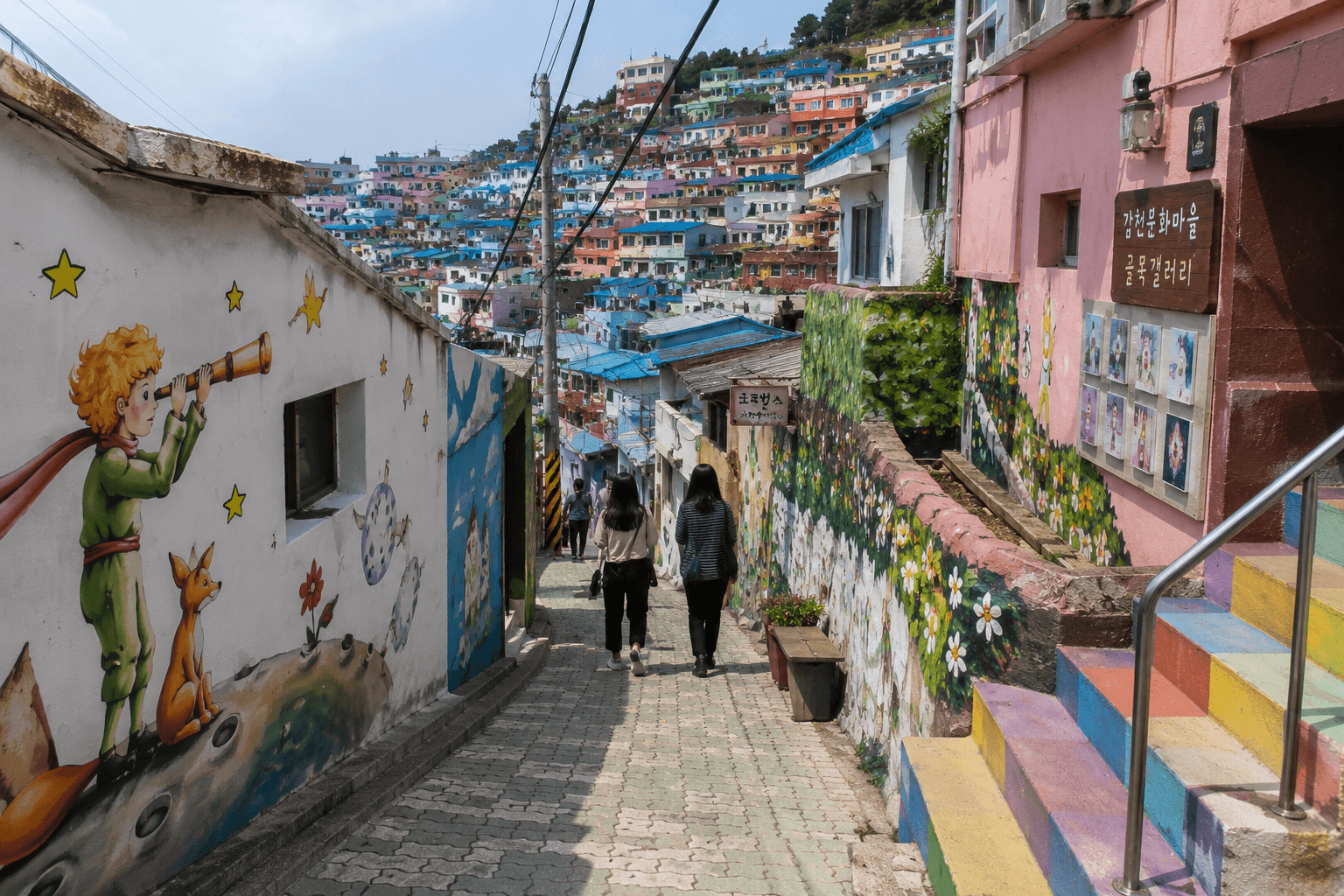
If you are planning a bigger trip, read Busan 3-Day Itinerary to balance this eastern coastal route with Jagalchi, Gamcheon, Gwangalli, and other areas.
Places to Pair with Haedong Yonggungsa
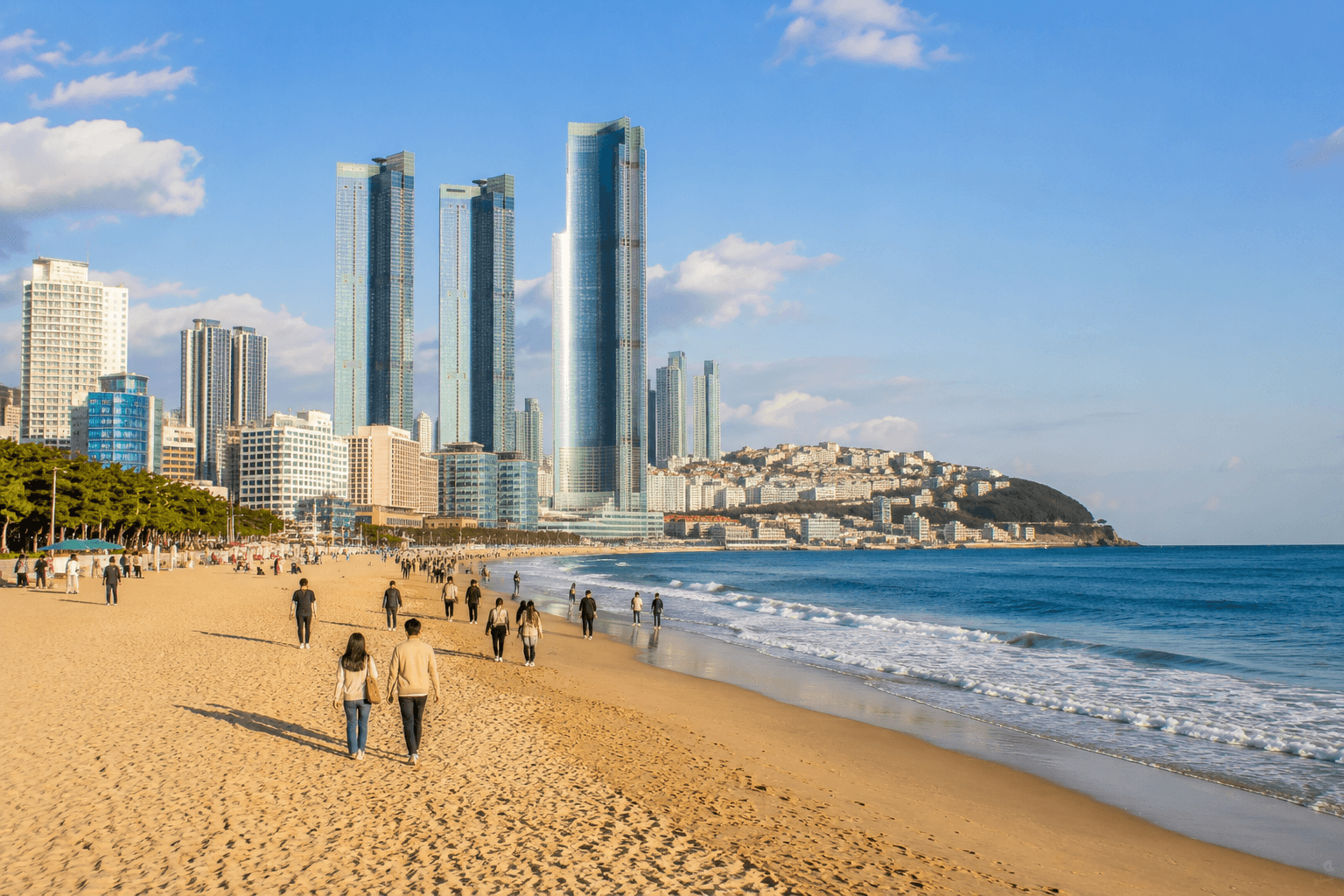
Haeundae Beach
Haeundae Beach is the easiest major area to combine with Haedong Yonggungsa.
Many travelers visit the temple in the morning and spend the afternoon around Haeundae. This gives you one of Busan’s best contrasts: a seaside temple first, then a modern city beach.
Haeundae Sky Capsule
The Sky Capsule at Blueline Park pairs naturally with Haedong Yonggungsa because both sit along Busan’s eastern coast. Our Haeundae and Blue Line Park guide explains the current reservation timing and the difference between Mipo and Cheongsapo departures.
If you enjoy scenic transportation and ocean views, combine the temple with the Sky Capsule route between Mipo and Cheongsapo.
Songjeong Beach
Songjeong Beach is quieter than Haeundae and popular with surfers and local beach visitors.
It is a good option if you want a calmer coastal stop after the temple.
Cheongsapo
Cheongsapo is known for coastal views, seafood restaurants, cafes, and the Blueline Park route.
It can be a good middle stop between Haedong Yonggungsa and Haeundae.
Gwangalli Beach
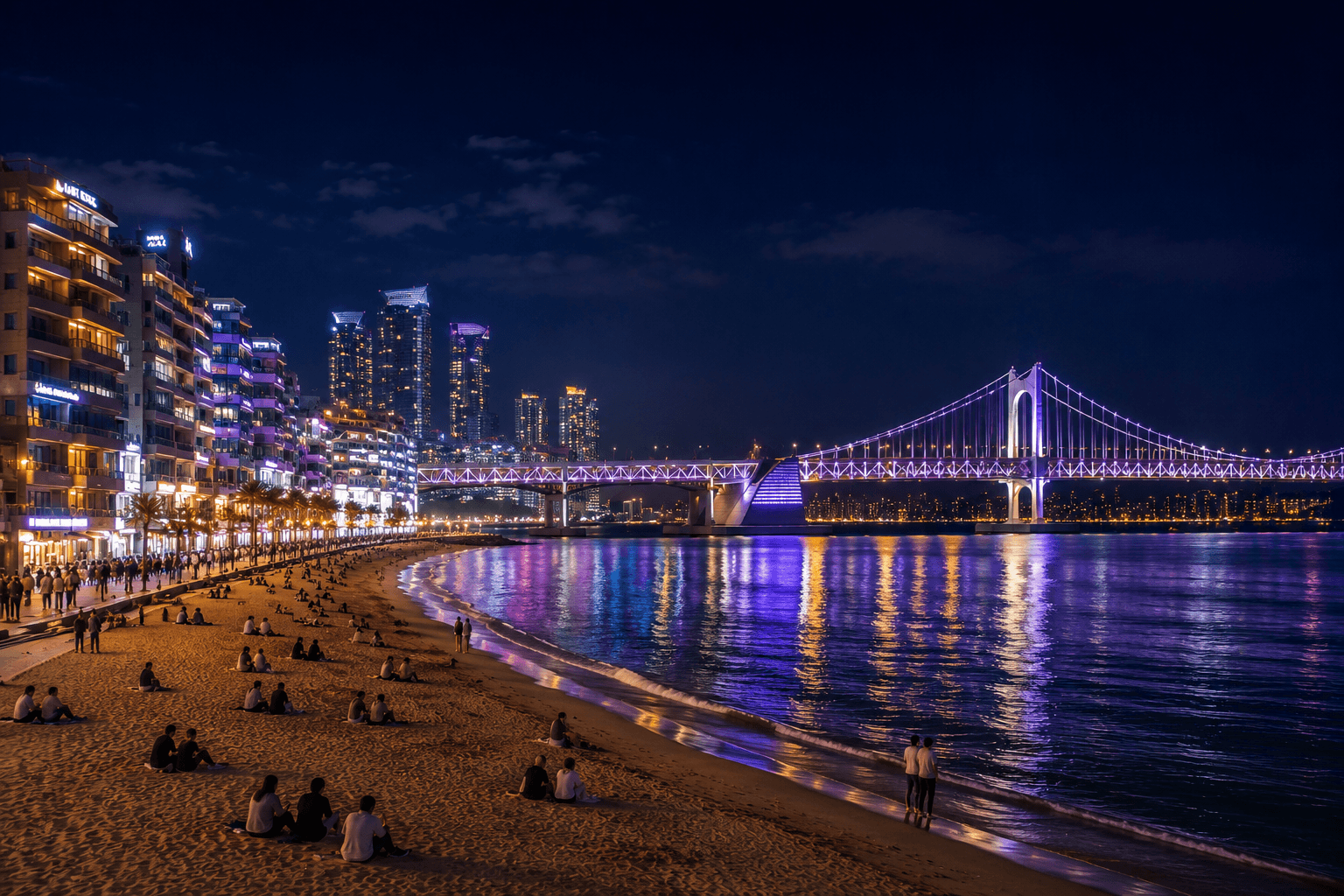
Gwangalli Beach is farther away but works well as an evening destination if you want Gwangan Bridge views after a coastal sightseeing day.
It is not as convenient as Haeundae for visiting Haedong Yonggungsa, but it is still a great night view stop.
Jagalchi Market
Jagalchi Market is located in central Busan, not near Haedong Yonggungsa. Still, both places show different sides of Busan’s connection to the sea.
Haedong Yonggungsa gives you spiritual ocean scenery. Jagalchi gives you seafood tanks and market energy. The ocean has range.
Common Mistakes to Avoid
The first mistake is confusing closing time with final entry. The grounds are listed until 19:20, but the final entry is 18:50. Arrive earlier if you want time for the stairs, prayer halls and viewpoints rather than a brisk goodbye to the ocean.
The second mistake is planning “sunrise by bus” without checking the first service. Entry begins at 04:30, but public transport may begin too late for sunrise on your date. Arrange a taxi or private ride when the first light is the point.
The third mistake is wearing uncomfortable shoes. There are stairs, slopes, stone paths, and uneven areas. This is not the place for shoes that only look good while sitting down.
The fourth mistake is expecting a hidden peaceful temple all day. Haedong Yonggungsa is famous, and crowds are common.
The fifth mistake is treating the temple only as a photo set. Keep voices low, leave space for worshippers, enter prayer halls through a side door rather than the central door, and place shoes neatly outside.
The sixth mistake is skipping nearby coastal stops. If you travel all the way to Gijang, it makes sense to combine the temple with Haeundae, Cheongsapo, Songjeong, or the Sky Capsule.
Official Sources and Last Check
- Visit Busan: Haedong Yonggungsa — hours, last entry, bus routes, parking and temple etiquette
- VISITKOREA: Haedong Yonggungsa Temple — address, year-round opening, admission and visitor information
Last checked: September 14, 2026. Check live bus times, sunrise time and any temple notices again before an early-morning or holiday visit.
Optional East Busan Tours
This article may contain affiliate links, which means we may earn a small commission if you book through them, at no extra cost to you.
If you want the easiest route, consider booking a Busan day tour including Haedong Yonggungsa Temple. This can be useful because the temple is outside central Busan and public transportation takes time.
For a coastal sightseeing day, a Busan east coast tour with Haeundae and Sky Capsule may help you combine the temple, beach, and seaside rail without juggling multiple transfers.
FAQ
Is Haedong Yonggungsa Temple worth visiting?
Yes. Haedong Yonggungsa is one of the most beautiful places to visit in Busan, especially if you want ocean views, Korean temple architecture, sunrise scenery, and a unique coastal setting.
How much is admission to Haedong Yonggungsa?
Admission is free.
What are Haedong Yonggungsa opening hours?
The official listing shows daily hours of 04:30–19:20, with final entry at 18:50. Check temple notices before a holiday or sunrise visit.
How long do I need at Haedong Yonggungsa?
Most visitors should allow 1.5 to 2.5 hours, depending on how slowly they walk, take photos, and explore the temple grounds.
What is the best time to visit Haedong Yonggungsa?
Early morning is the best time to visit. Sunrise can be beautiful, and crowds are usually lighter than later in the day.
Can I visit Haedong Yonggungsa from Haeundae?
Yes. Many visitors start from Haeundae and reach the temple by bus, taxi, or tour. It is one of the most common routes.
Is Haedong Yonggungsa easy to reach by public transportation?
Yes, during normal daytime hours. Use Haeundae Station Exit 7 with bus 181, 100 or Haeundae 9, or Osiria Station Exit 1 with bus 139 or 1001. Both routes still require a walk.
Can I visit Haedong Yonggungsa and Haeundae Beach on the same day?
Yes. This is one of the best Busan coastal routes. Visit the temple in the morning, then spend the afternoon around Haeundae Beach, Mipo, or the Sky Capsule.
Is Haedong Yonggungsa good for families?
Yes, but families should be prepared for stairs and crowds. Use caution with young children near steps, stone paths, and coastal viewpoints.
Related Guides
If you are planning a Busan trip, these guides can help:
Haeundae Beach Guide is the best companion guide if you want to combine the temple with Busan’s most famous beach.
Busan Travel Guide gives you the full overview of Busan’s major neighborhoods, beaches, markets, and temples.
Busan 3-Day Itinerary helps you organize Haedong Yonggungsa, Haeundae, Jagalchi, Gamcheon, and Gwangalli into a realistic route.
Jagalchi Market Guide is useful if you want to compare Busan’s seafood market culture with its coastal temple scenery.
Gwangalli Beach Guide is a good evening option if you want bridge views after a day on the eastern coast.
Best Time to Visit Korea can help you choose the best season for Busan, especially spring, autumn, and sunrise-focused trips.
T-money Card Guide is helpful if you plan to reach the temple by public transportation.
Final Thoughts
Haedong Yonggungsa is one of those places that makes Busan feel instantly different.
It is not just a temple. It is a temple with waves under it, cliffs around it, sea air moving through it, and sunrise waiting in front of it if you arrive early enough.
The setting is dramatic without needing much explanation. You walk down the stairs, the ocean appears, the temple buildings come into view, and suddenly the trip feels a little bigger than your itinerary.
Come early. Wear sensible shoes. Respect the prayer areas. Check the weather. Leave enough time to stand still for a moment and listen to the waves.
Some temples ask for quiet.
Haedong Yonggungsa lets the sea speak first.