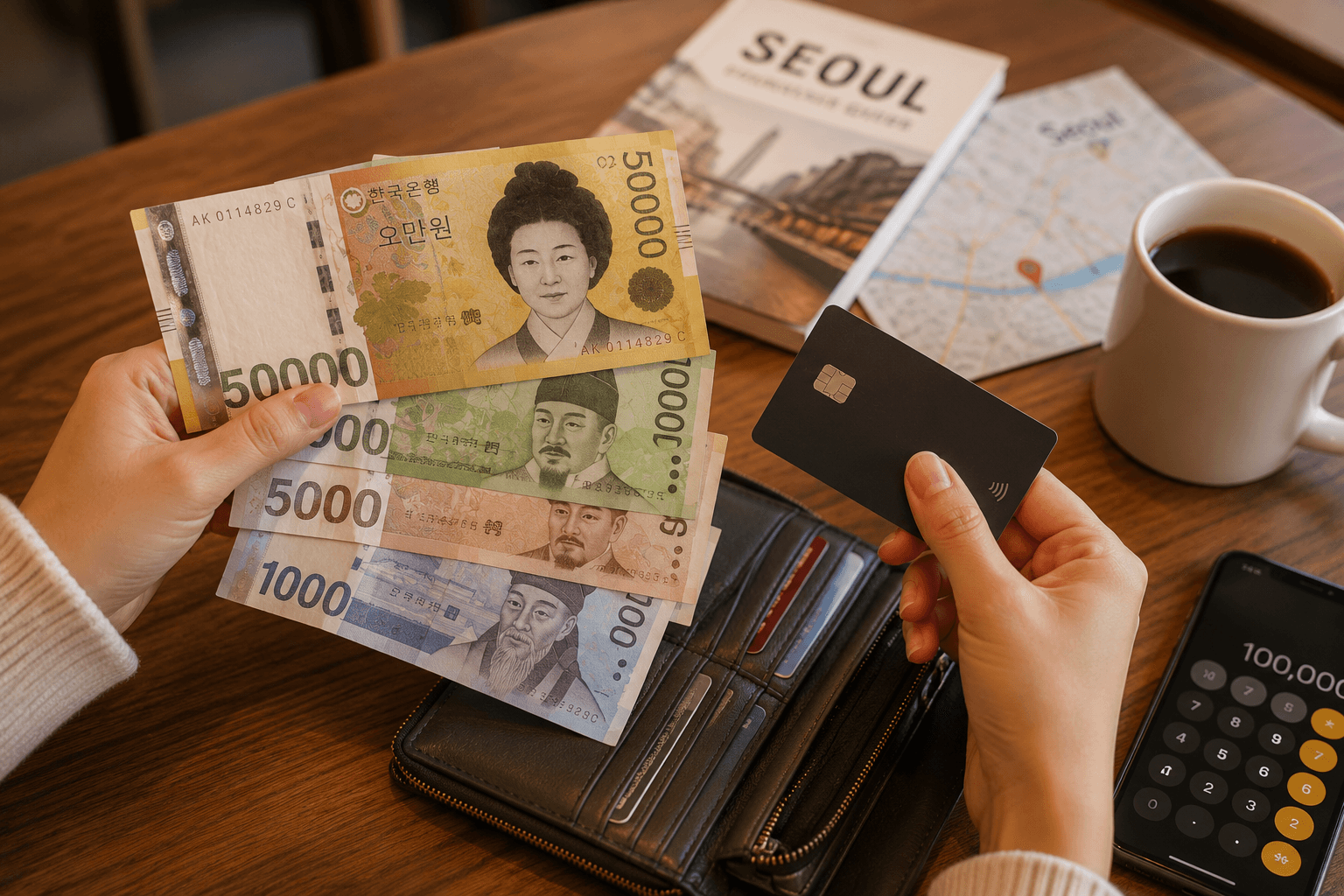
Most travelers do not need three Korean travel cards. They need one reliable way to enter a subway, one payment card that works abroad, and a small amount of Korean won for the moments when technology decides to become philosophical.
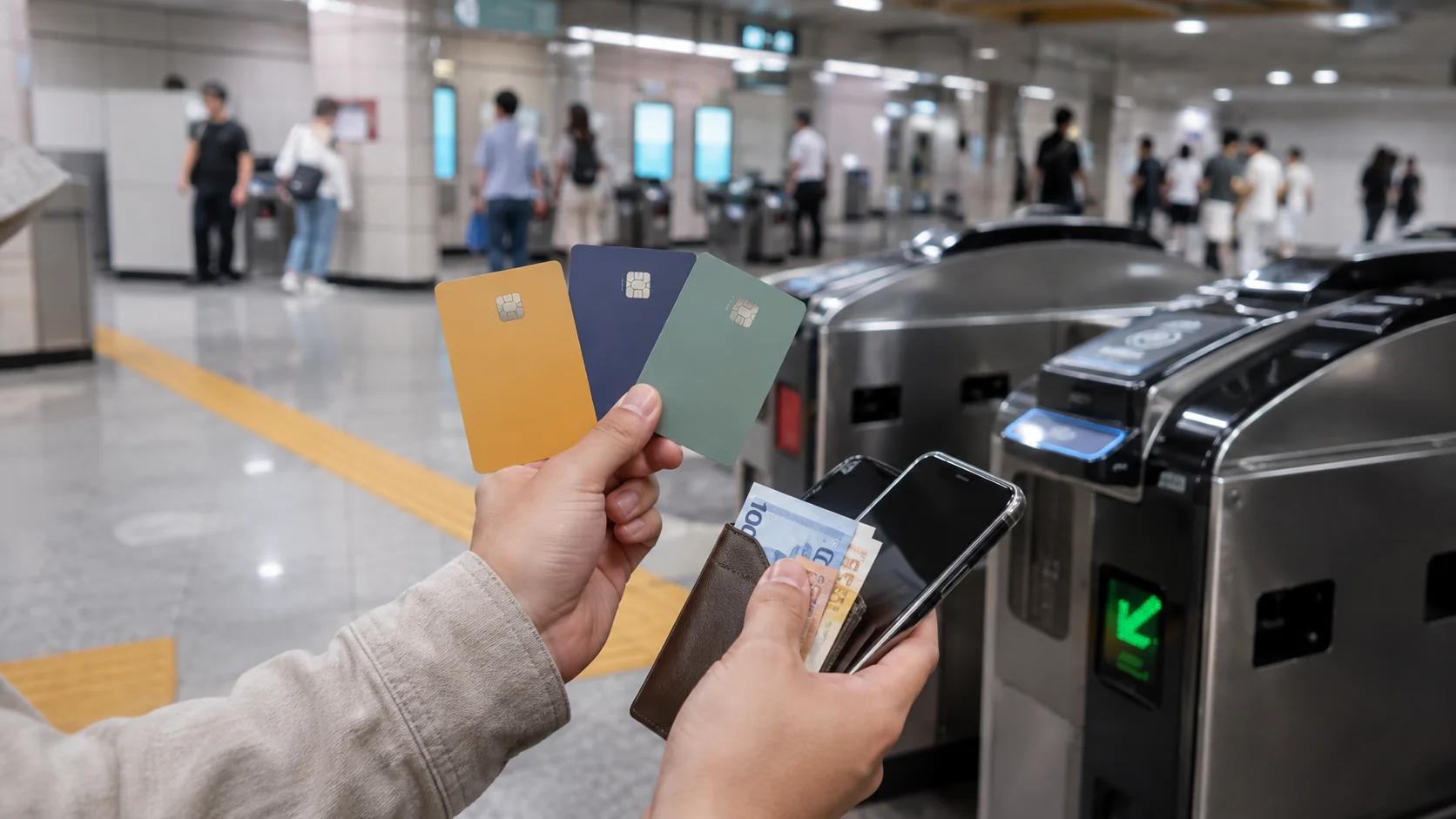
T-money, WOWPASS and NAMANE overlap, but they are not the same product. T-money is primarily a stored-value transit card. WOWPASS combines a Korean prepaid payment card with a T-money transport function and currency-exchange features. NAMANE combines a prepaid payment balance with a separate Rail+ transit balance, plus app-based management and customizable card designs.
The simplest answer is this: if your foreign Visa or Mastercard has no foreign-transaction fee and normally works overseas, use that card for shopping and buy a regular T-money card for transport. Choose WOWPASS when you want a Korean prepaid payment backup or kiosk-based foreign-currency loading. Choose NAMANE when app management, balance transfers or a personalized card matter enough to justify another setup process.
The fancy card is not automatically the better card. Sometimes the best travel technology is the one sold beside the convenience-store chewing gum.
Table of contents
The One-Minute Decision
| Your situation | Best starting choice | Why |
|---|---|---|
| You already have a no-fee international card | T-money + your own bank card | Cheapest, simplest and easy to replace |
| Your foreign card is sometimes rejected in Korea | WOWPASS | Korean prepaid payment function provides a useful backup |
| You want to load foreign cash at a kiosk | WOWPASS | Supports multiple foreign currencies at its machines |
| You want a custom photo or K-pop-style card | NAMANE | Custom design is a core feature |
| You want to manage several family cards in one app | NAMANE | The app can register up to four NAMANE cards |
| You only need buses and subways | T-money | No payment-wallet setup required |
| You will take many rides only within Seoul | Check the Climate Card first | It is an unlimited pass, unlike these stored-value options |
Do not decide from the word “all-in-one.” Both WOWPASS and NAMANE contain separate money functions. If the payment side has KRW 100,000 but the transit side has KRW 0, the subway gate will not be impressed by your total wealth.
Three Different Jobs Hiding Behind the Word “Card”
Before comparing brands, separate these jobs.
Transit Balance
This pays per ride when you tap onto a bus or subway. It also enables eligible transfer discounts. Regular T-money is almost entirely about this balance, although it can make small payments at participating merchants.
WOWPASS uses a T-money function for transportation. NAMANE uses a Rail+ transit function. In both cases, the transit money is distinct from the general prepaid-payment money.
Payment Balance
This works more like a Korean prepaid debit card at supported merchants. WOWPASS and NAMANE offer this function. It can help at kiosks or businesses that reject some foreign-issued cards.
It is not a bank account, and it is not a guarantee that every terminal will accept every transaction. Carry another card and some cash.
Unlimited Transit Pass
The Seoul Climate Card sells unlimited eligible rides for a fixed period. It is not a stored-value payment card and does not replace a nationwide T-money balance when you travel outside its coverage.
If your trip is mostly Seoul and transit-heavy, read our Seoul Climate Card guide before buying anything more complicated.
T-money: The Default That Usually Wins
Official tourism guidance lists a general T-money card at roughly KRW 3,000–5,000 before adding travel money. It is sold at convenience stores nationwide and Seoul subway information centers, and it works broadly on Korean public transportation.
For the normal visitor, the advantages are boring in the best possible way:
- easy to find;
- quick to understand;
- useful beyond Seoul;
- no passport registration for an ordinary adult card;
- no payment app or account required;
- easy to replace if the remaining balance is small.
The main inconvenience is reloading. Korea Tourism Organization’s 2026 transportation guide states that foreign-issued credit cards are not accepted for ordinary T-money purchase or top-up in the usual convenience-store and station process. Prepare Korean won cash.
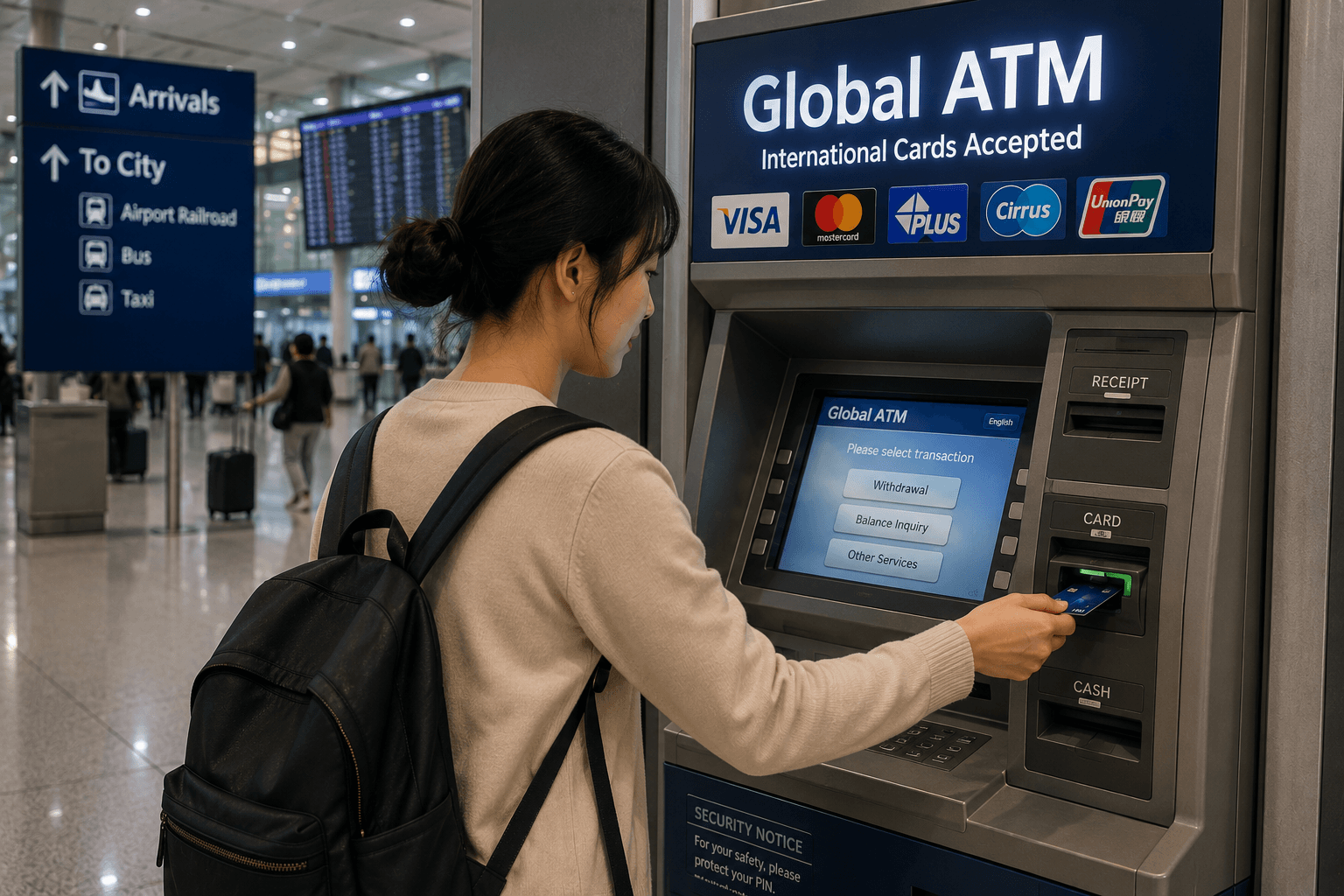
That creates the classic arrival problem: the traveler has a foreign card, the station machine wants cash, and the nearest ATM has opinions about that particular debit card. Withdraw or exchange a modest amount before depending on T-money.
Our full T-money card guide explains purchase locations, recharging, transfers and refunds.
T-money Is Best When
- your own bank card handles shopping;
- you want the least setup;
- you are traveling across several Korean cities;
- you are comfortable reloading with cash;
- you do not want to lock a large balance into a tourist payment product.
WOWPASS: Best as a Payment Backup, Not a Requirement
WOWPASS is designed for foreign visitors. The official site presents three connected functions: Korean merchant payments, public transportation through T-money and currency exchange or cash management through WOWPASS machines.
KTO’s August 2026 guide lists the card price as KRW 5,000 and says a passport is required for issuance. Machines are available at major airports, stations and hotels. The WOWPASS app shows spending history, manages the card and can lock it after loss.
Its strongest use case is not transportation. It is having a locally issued prepaid payment card when a foreign card fails at a restaurant tablet, unmanned kiosk or smaller merchant. It can also suit travelers carrying one of the foreign cash currencies accepted at WOWPASS kiosks.
The important detail is the split balance. The WOWPASS payment balance and T-money transit balance are separate. Confirm which side you are loading. The current official WOWPASS site says users can check and top up transportation balance through the app, but payment methods, fees and eligibility can vary. Review the live amount before approving a top-up rather than relying on a screenshot from somebody’s 2024 trip.
WOWPASS currently advertises KRW cash withdrawal at its machines with a KRW 1,000 fee per withdrawal and a KRW 100,000 maximum per withdrawal. Limits and exchange rates can change, so compare the displayed rate and fee before depositing a large amount.
WOWPASS Is Best When
- you want a Korean prepaid payment backup;
- your foreign card has a history of overseas declines;
- a convenient WOWPASS kiosk is near your airport route or hotel;
- you want app transaction alerts and the ability to freeze the card;
- you prefer loading supported foreign cash rather than visiting a separate exchange counter.
NAMANE: Best for App Management and Customization
NAMANE also combines two balances. Its Pay Balance is used at physical merchants through the card’s IC chip. Its Transit Balance uses Rail+ for buses and subways. The official service manual lists limits of KRW 500,000 in Pay Balance plus KRW 500,000 in Transit Balance per card.
The app can register up to four cards, which is useful for a parent managing family cards. NAMANE also emphasizes transfers between travelers, bank-account transfer features, card locking and app or kiosk top-ups. Availability and eligibility depend on how the money was loaded, so check the live service rules before treating it like unrestricted banking.
Customization is the obvious difference. You can issue a card with a personal photo or selected design at a NAMANE kiosk. That makes it popular with K-pop travelers and anyone who wants the card to become a souvenir instead of disappearing into a drawer beside three expired hotel key cards.
The practical drawback is setup. You must find a kiosk, understand the two balances and confirm whether your phone and international payment method support the top-up flow. NAMANE’s official site lists kiosk and app top-ups using credit cards and supported wallets, along with Korean-won cash options. Fees can depend on the method.
NAMANE Is Best When
- you want a personalized physical card;
- you are managing cards for family members;
- app-based balance movement is valuable to you;
- you understand the difference between Pay and Transit Balance;
- a NAMANE kiosk is already on your airport or station route.
The Airport Setup I Recommend
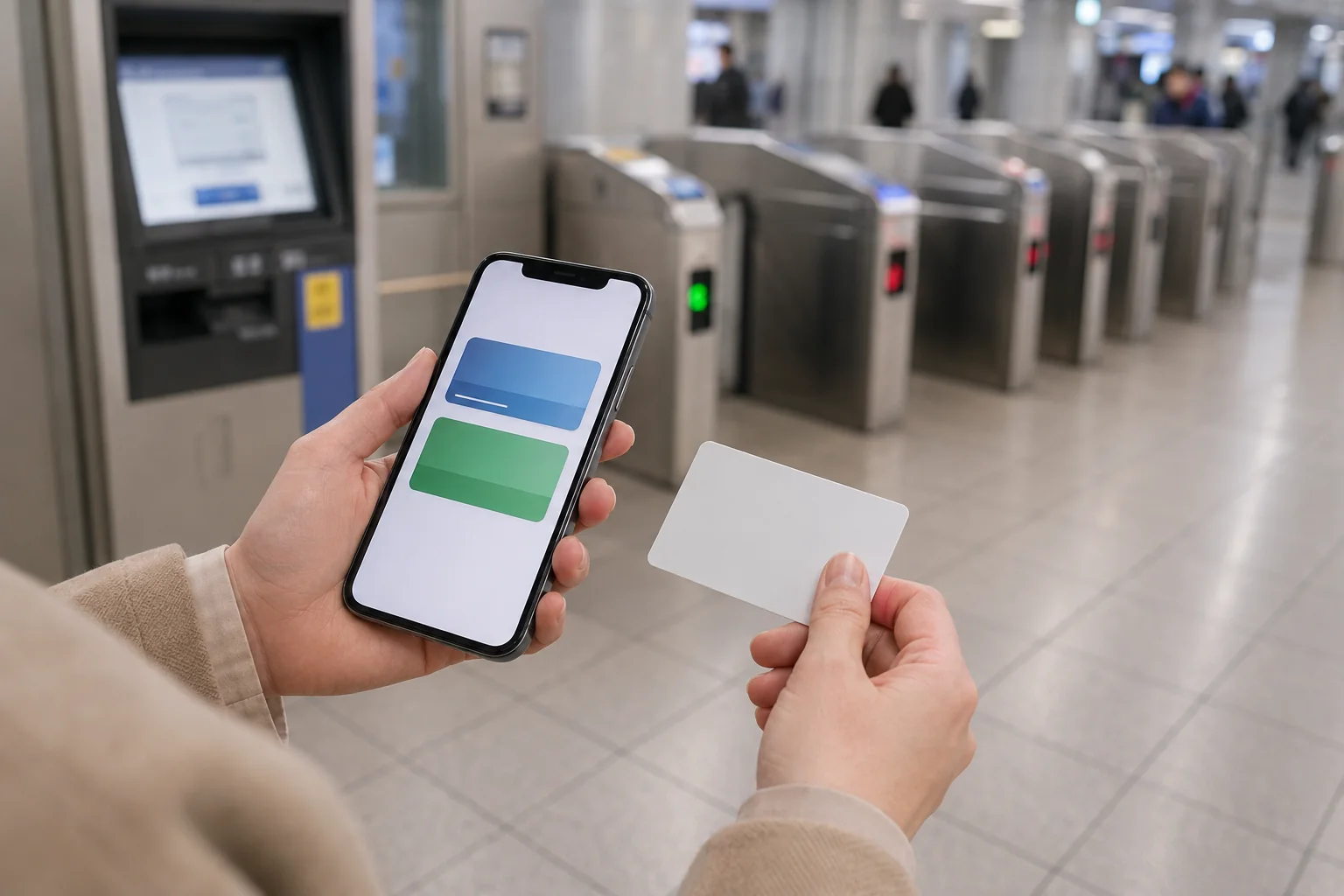
Do not stand in an airport kiosk queue before deciding what problem the card solves.
Option A: Simplest Setup
- Withdraw or exchange a small amount of Korean won.
- Buy T-money at a convenience store.
- Add KRW 20,000–30,000 for initial transit.
- Use your normal credit card for purchases.
- Add more transit money later instead of guessing the whole-trip total.
This is the best default for most travelers.
Option B: Payment Backup Setup
- Confirm a WOWPASS machine is available along your real route.
- Issue and register the card with your passport.
- Load a modest payment balance.
- Add money separately to the T-money transit function.
- Test one small merchant purchase and one transit tap before relying on it.
Option C: NAMANE Setup
- Install the app before travel and check payment compatibility.
- Create the custom design in advance if desired.
- Issue the card at a NAMANE kiosk.
- Load Pay Balance and move or load only the needed amount into Transit Balance.
- Test both functions separately.
For the wider arrival route, including AREX, airport bus and taxi trade-offs, use our Incheon Airport to Seoul guide.
The Mistake: Putting the Entire Budget on One Prepaid Card
Load in stages. A prepaid card is convenient until it is lost, blocked, unsupported by a terminal or difficult to refund.
Keep these separate:
- one international card in your wallet;
- a second payment method in your luggage or digital wallet;
- KRW cash for transit reloads and small businesses;
- only a few days of spending on the prepaid card.
Check exchange rates as well as visible top-up fees. A “zero payment fee” card can still cost more through the conversion rate used when loading. Your home bank’s no-foreign-fee card may be cheaper.
Our Korean currency guide covers ATMs, won denominations and card-payment problems.
Real Failure Scenarios
The Subway Gate Says Insufficient Balance
Check the transit balance, not the pay balance. With WOWPASS and NAMANE, money can exist on the card but in the wrong wallet. Use the app or a station machine according to the card instructions.
The Foreign Card Top-Up Fails
Try a supported alternative only after reading the fee. Do not repeat the same transaction many times and accidentally trigger fraud controls. Use Korean cash at an eligible kiosk or switch to a regular T-money setup.
The Store Declines the Prepaid Card
Use your international card or cash. Prepaid travel cards improve acceptance but do not override offline terminals, merchant restrictions or temporary network problems.
You Lose the Card
WOWPASS and NAMANE offer app-based locking when the card is registered. Regular T-money is generally anonymous, so a lost card and balance may be unrecoverable. This is a reason to keep the transit balance sensible, not a reason to panic every time you tap.
The Taxi Payment Fails
Ask to try another card or pay cash. App-based taxi bookings can reduce payment confusion, but confirm whether payment happens in the app or inside the taxi. Our Korea taxi app guide explains Kakao T, k.ride and Uber payment flows.
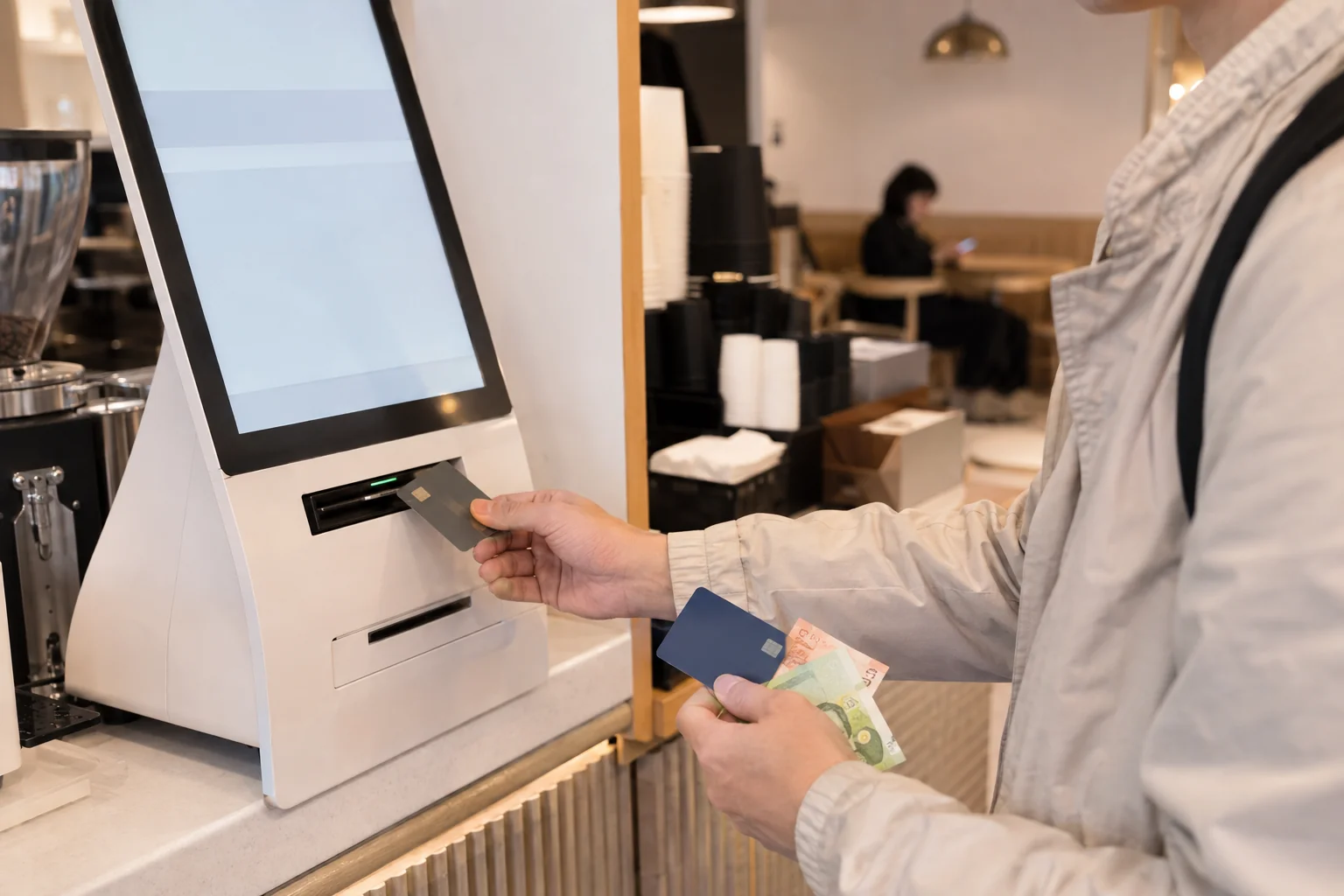
Should You Buy the Card Before Arrival?
Pre-ordering can save airport decision time when pickup is on your route. It can also create a new problem if the counter hours, terminal or pickup instructions do not match your flight.
This article contains affiliate links. If you book through them, we may earn a small commission at no extra cost to you.
Travelers who prefer arranging pickup before departure can compare T-money and Korea transport-card options on Klook. Read the exact product title, pickup counter, terminal, operating hours and included balance. A physical card price and a preloaded travel balance are not the same thing.
Do not pre-order solely because a listing says “essential.” Convenience depends on whether collection is more convenient than buying a regular card after arrival.
Which Card for Each Trip?
- Three days in Seoul: T-money plus your own credit card. Check the Climate Card only for unusually frequent eligible rides.
- Seven-day first trip: Start with T-money. Add WOWPASS only if you need a Korean payment backup or currency-loading function.
- K-pop shopping trip: NAMANE suits travelers who value the custom design; keep another card for large purchases.
- Multi-city trip: T-money is the safest default. Seoul’s Climate Card does not replace a nationwide stored-value card.
FAQ
Is WOWPASS the same as T-money?
No. A WOWPASS card includes a T-money transportation function, but its WOWPASS payment balance and T-money transit balance are separate.
Can I use WOWPASS or NAMANE on the Seoul subway?
Yes, after funding the correct transit balance. WOWPASS uses T-money for transit; NAMANE uses Rail+.
Can T-money pay in Korean stores?
T-money works at participating merchants displaying its logo, but it should be treated mainly as a transportation card. A regular international credit card or Korean prepaid payment card has broader shopping utility.
Can I recharge T-money with a foreign credit card?
The ordinary convenience-store and station process generally requires Korean won cash; KTO’s 2026 guide says foreign-issued cards are not accepted for typical T-money purchase or top-up. New machines or special products can have different rules, so check the exact machine.
Is WOWPASS worth it if my credit card has no foreign transaction fee?
Usually not as your main payment method if the card works reliably in Korea. WOWPASS may still be useful as a local prepaid backup or for supported foreign-currency exchange.
Which is better, WOWPASS or NAMANE?
Choose WOWPASS for its payment-backup and foreign-currency kiosk network. Choose NAMANE for customization, family card management and app-based balance features. Choose neither if T-money plus your existing bank card already solves the trip.
Do I still need cash?
Yes. Carry enough Korean won for transit reloads, small merchants and payment failures. Korea is card-friendly, but “card-friendly” and “every card works every time” are not synonyms.
Can I refund the remaining balance?
Refund channels and fees depend on the card, balance type and amount. T-money has different locations for small and large refunds. WOWPASS advertises KRW withdrawals at its machines. NAMANE refund eligibility can depend on the top-up method. Check current rules before loading a large sum.
My Recommendation
I would arrive with two international payment cards, withdraw a modest amount of Korean won and buy a regular T-money card.
I would add WOWPASS only if my foreign card had acceptance problems or I specifically wanted its exchange and cash-management functions. I would choose NAMANE if the custom design or multi-card app controls were part of the experience I wanted.
The winning travel card is not the one with the longest feature list. It is the one you understand at the subway gate while a line forms behind you.
Information checked September 6, 2026. Card fees, top-up methods, supported foreign cards, kiosk locations and refund rules can change; confirm the official app or website before loading money.