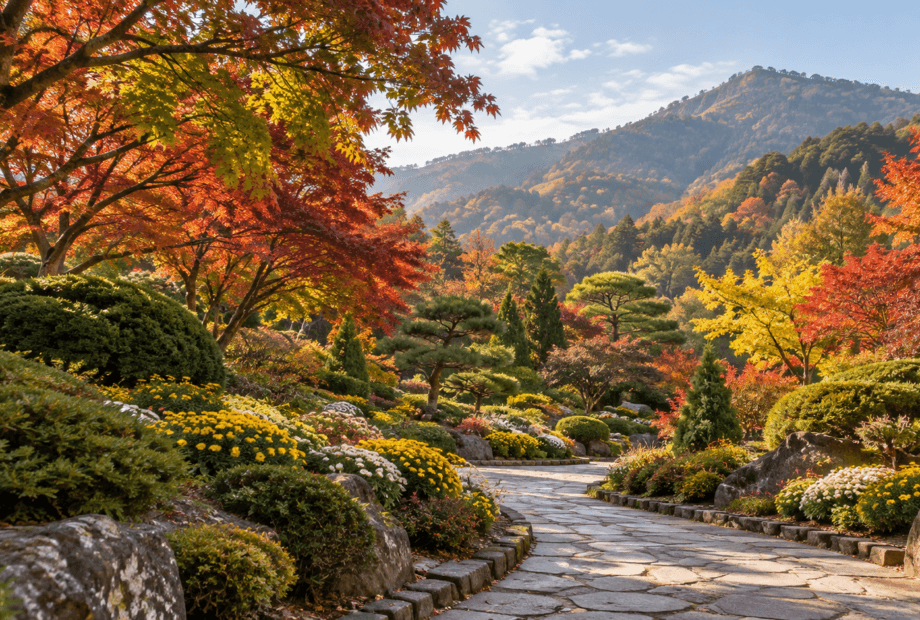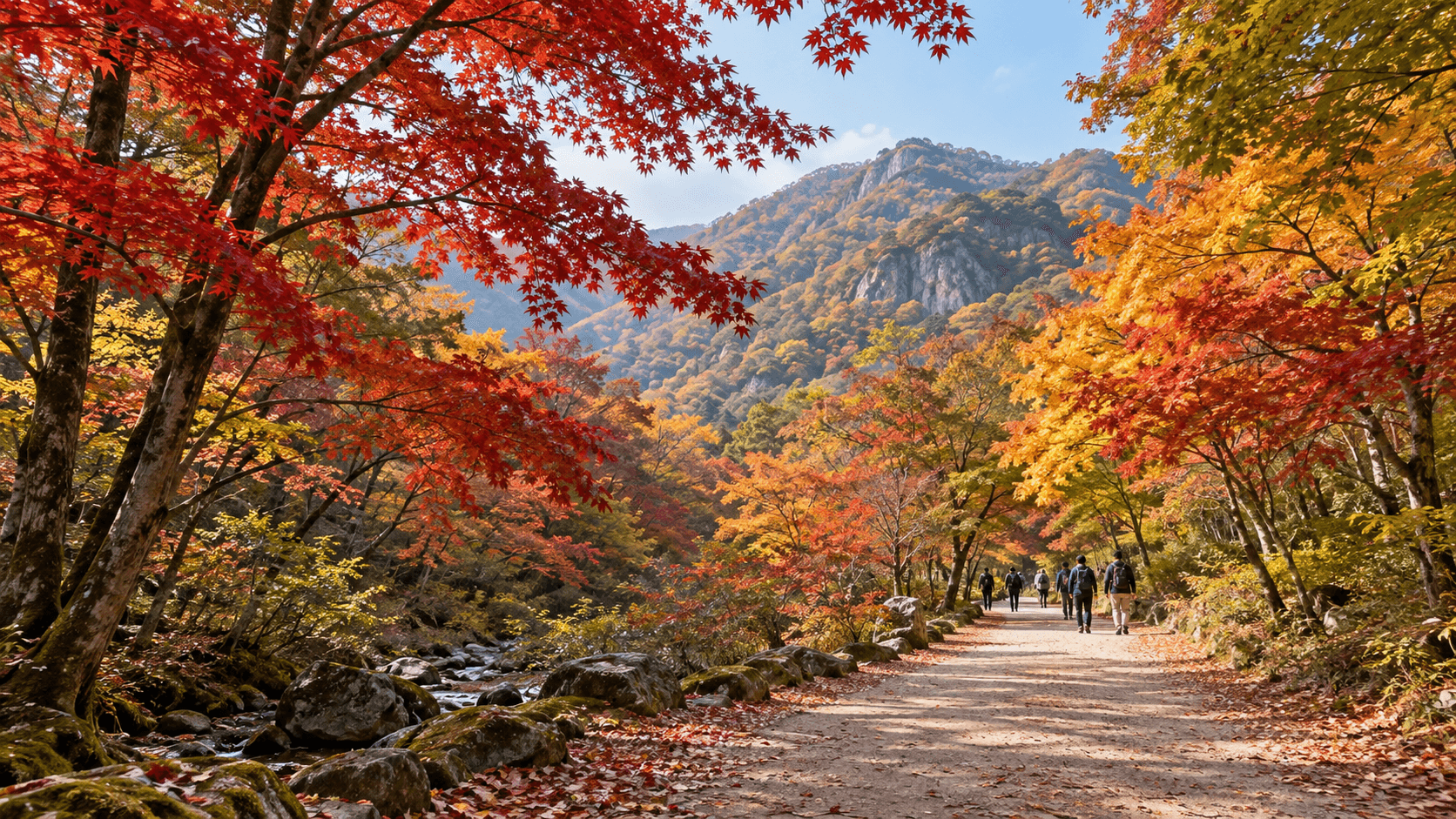
Naejangsan is an autumn trip worth planning around the journey, not just the photograph. The maple-lined approach, Uhwajeong pond and Naejangsa Temple can make a satisfying visit without a summit hike. Getting there from Seoul—and leaving without a stressful race to your train—is the part that needs attention.
Our quick choice: take a Seoul departure tour if you want someone else to handle the road transfers. Choose KTX to Jeongeup if you want control over your walking time and can manage the local connection. Stay in Jeongeup the night before if an early start in the park matters more than returning to your Seoul hotel that evening.
For an independent visit, we would reserve roughly three to four hours for the lower-valley outing, plus the station transfer, meal stops and all intercity travel. That is a planning allowance, not a timed trail measurement. A Seoul tour is a full-day commitment, not a convenient half-day detour.
Affiliate disclosure: Some booking links below are affiliate links. Korea Travel Lab may earn a commission at no extra cost to you. You can also book rail travel directly with the operator; a paid tour is not required to visit the park.
Cable car update, checked October 6, 2026: the operator's website displays a maintenance suspension for October 6, with a warning that the period may be extended. Do not assume it has reopened for your date. Check the Naejangsan Cable Car operator before making the ride essential to your plan.
Table of contents
First decide what kind of day you can realistically handle
The most useful comparison is not simply “tour versus cheap train.” It is who handles the last road connection, how much flexibility you want, and whether you are comfortable making return decisions while the park is busy.
| Choose this | Best fit | Main trade-off |
|---|---|---|
| Seoul departure tour | You want arranged transport and a clear meeting point | Fixed group timetable; a long coach day |
| KTX via Jeongeup | You want to choose your train and walking pace | You still arrange the station-to-park connection |
| Jeongeup overnight | You want an earlier park arrival and fewer same-day connections | One additional hotel night and a luggage plan |
A train can make the intercity part straightforward, but Jeongeup Station is not the park entrance. A tour removes that transfer decision, but it does not remove traffic, walking, weather or queues. Neither option comes with a guarantee that every maple will be red on arrival.
For a short Seoul stay, ask whether you truly want to spend a whole day on a distant foliage outing. If not, choose a closer alternative in our Seoul day-trip guide. Naejangsan is a deliberate choice for the landscape; it should not be squeezed between a late breakfast and an evening show.
Pick a foliage window, not a supposedly perfect date
Late October and early November are useful periods to investigate for a Naejangsan autumn trip. They are not a promise of peak color in 2026. The tour listing itself warns that foliage depends on weather, and trees at different heights and in different parts of the valley do not change together.
Keep three questions separate: when leaves usually change, what a forecast predicts, and what is actually visible close to your departure. A forecast helps you choose a broad week. Recent dated information helps you decide whether to keep an expensive long-distance outing.
Use our Korea autumn foliage planning guide for the wider trip, then check park notices and recent dated conditions again before committing. We have not established a single official 2026 peak day for this guide.
If your schedule allows, a weekday gives you a better chance of avoiding the concentration of weekend visitors. It does not make the park empty. Arriving earlier is helpful, but only if your transport plan makes that possible without exhausting everyone before the walk starts.
Already booked a visit outside the brightest period? Decide whether the forest walk and temple setting are enough for you. There is no need to pretend green leaves are peak red foliage. They can still be part of a pleasant outing—just a different one from the photograph you saved.
The Seoul tour option: easier transfers, less control
The Klook listing we checked offers Naejangsan packages departing from Seoul and Busan. It advertises a duration of about 14 hours 15 minutes and lists meals and cable car tickets as exclusions. Treat the exact itinerary, departure location and return time as package-specific details, not universal Naejangsan rules.
You can check Naejangsan autumn tour options on Klook. Select the Seoul package and your actual date before comparing the price. A page offering both cities can show details for a different departure option; read your chosen package and the final voucher.
Before paying, confirm the meeting-point exit, walking expectations, inclusions, cancellation deadline and weather arrangements. The listing contains differing minimum-group wording, so ask the operator which rule applies to your selected departure rather than relying on one number copied into a blog.
For the day itself, save the meeting point and the operator's contact details, and check messages the evening before. Keep lunch money and a snack separate from the tour payment. Tell the operator about a wheelchair, stroller or bulky luggage before booking; arranged transport does not automatically mean a step-free outing.
The practical advantage is less transfer management. You can focus on the walk instead of figuring out the next bus. The disadvantage is that the group must leave on its timetable, even if the light looks better ten minutes later. The trees are unlikely to negotiate an extension.
Do not reserve a non-refundable dinner immediately after the advertised Seoul return. Road traffic and group movement can shift the day. Give the evening some breathing room.
Going independently: book Jeongeup, then solve the last connection
For the rail approach, search Yongsan → Jeongeup. Check the actual departure station on the ticket; Yongsan is not interchangeable with Seoul Station. Choose a service whose arrival and return times leave you a useful block in the park, rather than simply choosing the cheapest result.
Our Korea KTX booking guide covers the basics. You can compare the operator's booking options with Yongsan–Jeongeup train options on Trip.com. The affiliate page opens with those stations selected in Korean; change the language if needed and set your travel date before searching. This link is a search, not a reserved seat.
Look at both directions before paying. An attractive outbound departure is not enough if the return choices leave you rushing, stranded or with a much later arrival than you want. Compare the complete price and ticket conditions, including any booking charges, rather than assuming an intermediary is cheaper.
At Jeongeup, choose between a local bus and taxi according to the live route, waiting time and your group. The city tourism guide gives a nominal station/terminal-to-Naejang bus journey of about 30 minutes. That is not a reliable peak-autumn connection allowance: waiting, crowding and road congestion come on top.
We have not verified a date-specific 2026 bus timetable, stop relocation or last departure for this guide. Use a Korean map app on your travel day to locate the correct boarding side and destination, and confirm the return before heading into the valley. Do not plan around an old screenshot of a bus timetable.
For navigation, save these names:
- 정읍역 — Jeongeup Station
- 내장산국립공원 — Naejangsan National Park
- 내장사 — Naejangsa Temple
- 내장산케이블카 — Naejangsan Cable Car
Show the specific destination and map pin when asking for a taxi. The park covers more than one visitor area. Tell the driver you want the Naejangsa-side approach, not just somewhere inside the national park boundary.
Build the return backward. First note your train departure, then allow for the road connection, waiting and station navigation. Decide on a valley turnaround time before you start walking. If you are uncertain about the bus back, leave earlier or arrange a clearer alternative—not after the final photograph.
Walk the lower valley before adding anything uphill
For a first visit, we would make the approach toward Uhwajeong pond and Naejangsa Temple the core outing. These are useful landmarks for a foliage walk, not a promise that the entire route is flat or suitable for every mobility need. Use the current visitor map to check access and the distance from your actual drop-off point.
Start with the return logistics and a restroom stop. Then walk at a pace that leaves time to look around. The approach is part of the visit; do not treat it as an inconvenient corridor to rush through on the way to one famous tree.
At the pond, look for a clear viewpoint without blocking the walking route. Reflections depend on wind and light. If the water is rippled, photograph the foliage and setting rather than waiting indefinitely for a mirror image that may never appear.
Continue toward Naejangsa if time, energy and access allow. Treat the temple as an active religious setting: keep voices low, follow posted photography instructions and do not enter restricted spaces just because a door is open.
Our three-to-four-hour allowance includes a modest walk, photographs and breaks in this lower area. It is not enough to automatically add a substantial ridge hike, a long cable car queue and a relaxed lunch. Choose one extra, or none.
If your group is slowing down, shorten the walk while the return remains straightforward. The person who is tired halfway in is also the person who still has to get back out. A good travel plan accounts for both versions of them.
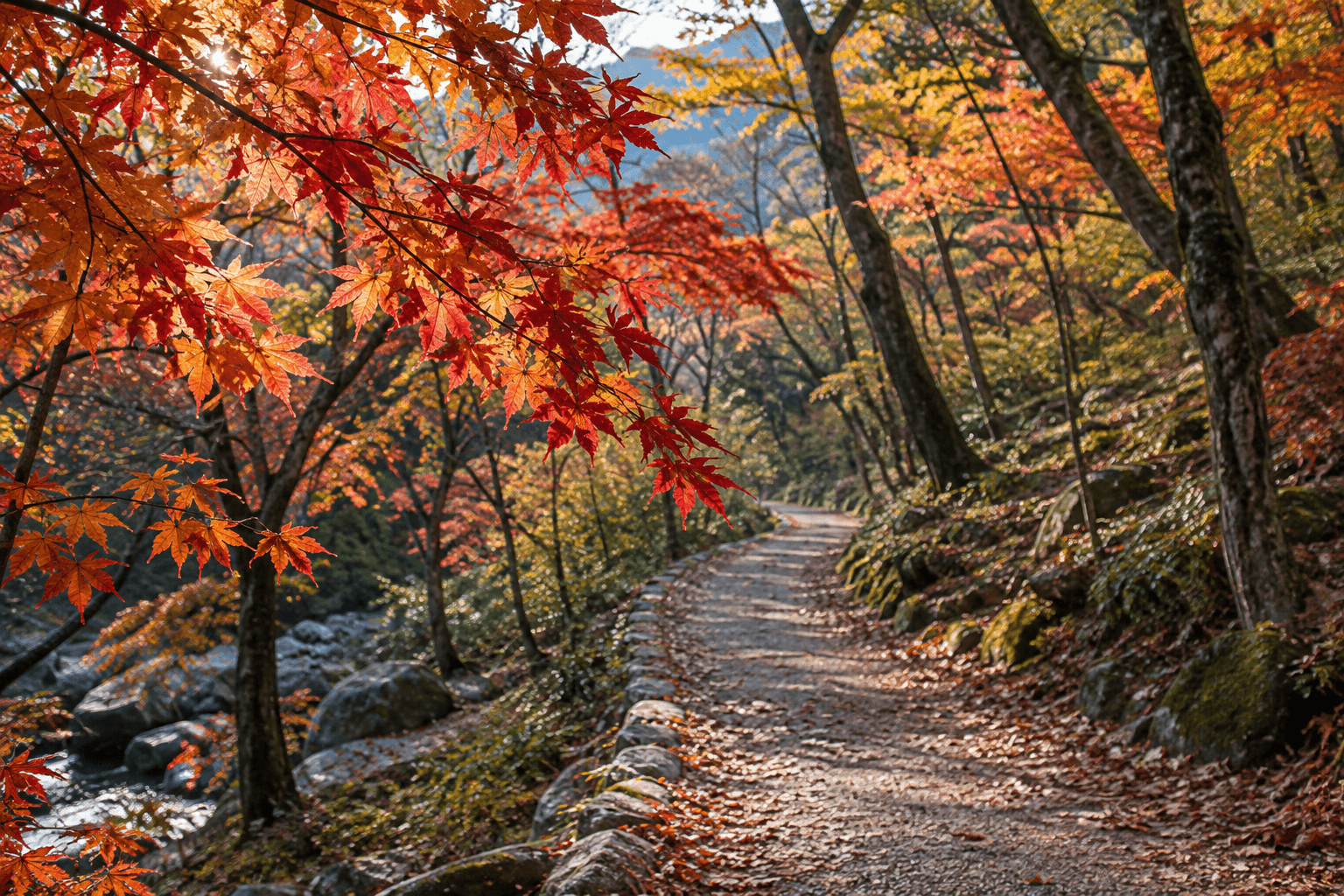
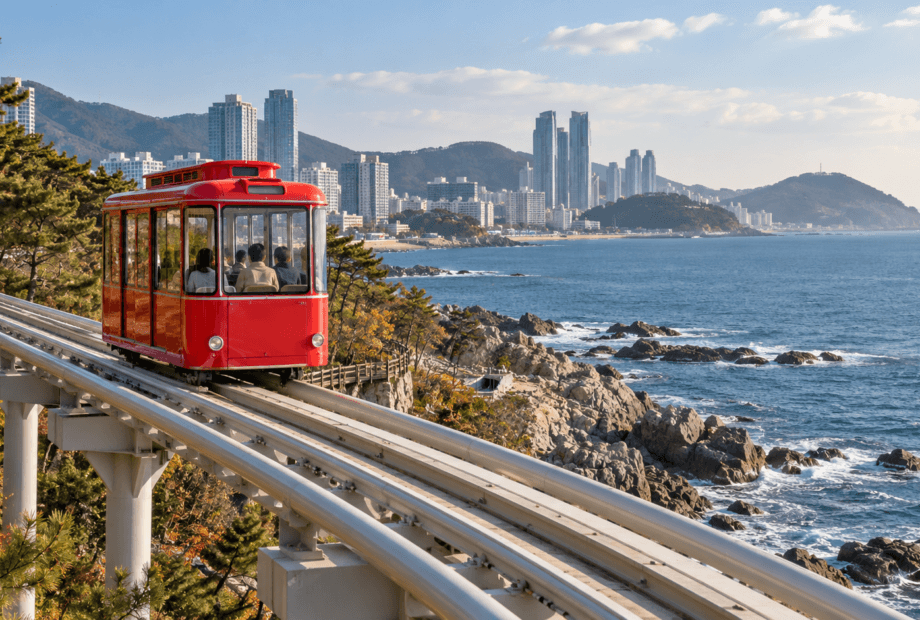
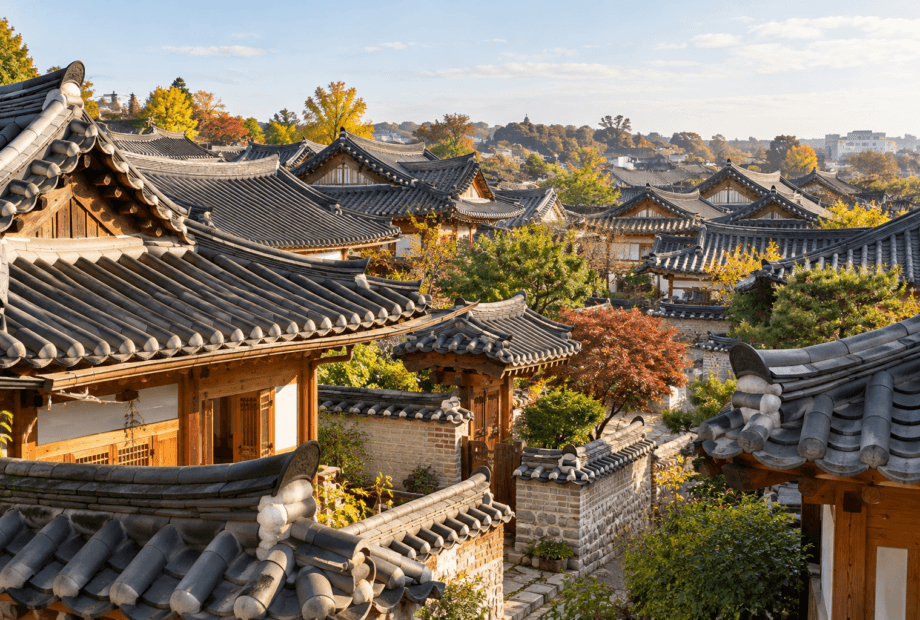
The lower-valley walk is the core plan; the cable car is optional. AI-generated editorial illustration inspired by Naejangsan, not a photograph of current foliage or an exact route.
Cable car tickets: current fares, but operation comes first
The operator's fare board checked on October 6 lists the following prices. These supersede the lower amounts still shown in an older English tourism listing.
| Ticket | Adult | Child |
|---|---|---|
| Round trip | ₩11,000 | ₩7,000 |
| One way | ₩7,000 | ₩5,000 |
The board defines children as 37 months through elementary-school age, and adults as middle-school age and above. Tickets are issued on the day in order; advance reservations are unavailable. It also says an unused descent after buying a round trip is not refundable.
The operator posts summer hours of 09:00–18:00 and different winter hours, but explicitly says autumn-season hours can change. Ticket sales normally finish one hour before the service ends; weather or maintenance can stop operation earlier. Confirm the day's service rather than using the headline closing time as your arrival target. Operator fare and operating notices.
The October 6 maintenance notice is especially important if the ride is essential for someone in your group. We have not verified reopening after that date. If it remains suspended, choose a lower-valley plan that everyone can manage or reconsider the trip.
When service is running, assess the queue against your remaining time. A quick ride and a long wait are entirely compatible. If the queue would consume the part of the day you wanted for walking, skip it.
Do not buy a one-way ascent on the assumption that walking down will be effortless. Ask about the descent route, footing and time before committing. The cable car is an optional viewpoint excursion, not a substitute for understanding the terrain.
An overnight in Jeongeup changes the morning
Staying in Jeongeup can remove the Seoul-to-Jeongeup journey from your park morning. It does not remove the road transfer or guarantee solitude, but it gives you more control over when you start.
For a car-free visit, compare the property's actual location with your station arrival, local transport and dinner plans. A hotel with “Naejangsan” in its name is not automatically within walking distance of the trail you want. A remote stay can be lovely and still be the wrong choice for this itinerary.
You can compare Jeongeup accommodation on Agoda. This is a city-wide search, not a shortlist of personally inspected hotels. Check the map, check-in arrangements, cancellation rules and the next morning's transport before choosing.
Ask about luggage storage rather than assuming it is available. A suitcase adds very little to a maple photograph and quite a lot to a forest walk. If storage cannot be confirmed, adjust the hotel or rail sequence before booking.
An overnight makes the most sense when Naejangsan is a priority. It is less compelling if you are adding a hotel change solely to save a little waiting. Consider the extra packing and transfer as part of the cost.
Money, food and weather: keep the day adaptable
VISITKOREA lists national park admission as free. Budget separately for intercity tickets, local transport, food, any cable car ride and accommodation. Free admission does not make this a free Seoul day trip.
There is no useful single total price without your date and travel choice. For DIY, add both train directions and both road connections. For a tour, read what is excluded. For an overnight, include the hotel and the extra meal rather than comparing only the transport price.
Carry a small cash backup alongside your card, water and a snack. We have not confirmed foreign-card acceptance at every local counter or food stop. Eat before everyone becomes hungry enough to accept the first queue they see.
Bring footwear with grip and a layer you can put on while waiting. Leaves can hide uneven ground, and wet surfaces can change how comfortable a walk feels. A small pack is easier to handle than several shopping bags. Our Korea packing checklist helps keep the essentials manageable.
Check the forecast, park access notices and transport status again before departure. If weather or closures undermine the main reason for the journey, reconsider it within your booking's cancellation rules. Buying a ticket does not oblige you to ignore conditions; it does mean you need to understand those rules early.
The version we would book
For a first-time Seoul visitor who wants a single organized foliage day, we would choose a weekday tour with a clearly understood Seoul meeting point and no fixed evening reservation afterward. For someone comfortable with rail booking and local navigation, we would choose KTX plus a lower-valley walk, with the return arranged first.
If the goal is an early, unhurried park morning, we would stay in Jeongeup the previous night. In all three versions, the cable car remains optional until operation and the queue are confirmed.
Book the journey you can comfortably complete, leave room for the landscape, and keep the return boring. Boring is an excellent quality in the last connection of a long travel day.
Last checked: October 6, 2026. This is a researched planning guide, not an on-site visit report. The cable car maintenance notice and fare board were inspected on the operator's website. Recheck operation, transport schedules, selected tour terms and dated foliage conditions before departure.