If you are visiting Seoul for the first time, Gyeongbokgung Palace is probably already waiting for you somewhere in your search history.
It is the palace with the grand gate, the mountain backdrop, the wide stone courtyards, and the kind of traditional rooflines that make cameras feel suddenly very important. Even if you are not a serious history person, Gyeongbokgung has a way of making you slow down for a moment. One minute you are coming from subway signs, traffic lights, and coffee chains. The next minute, you are standing in front of royal halls that look like they belong to a completely different rhythm of time.
That contrast is what makes Gyeongbokgung special.
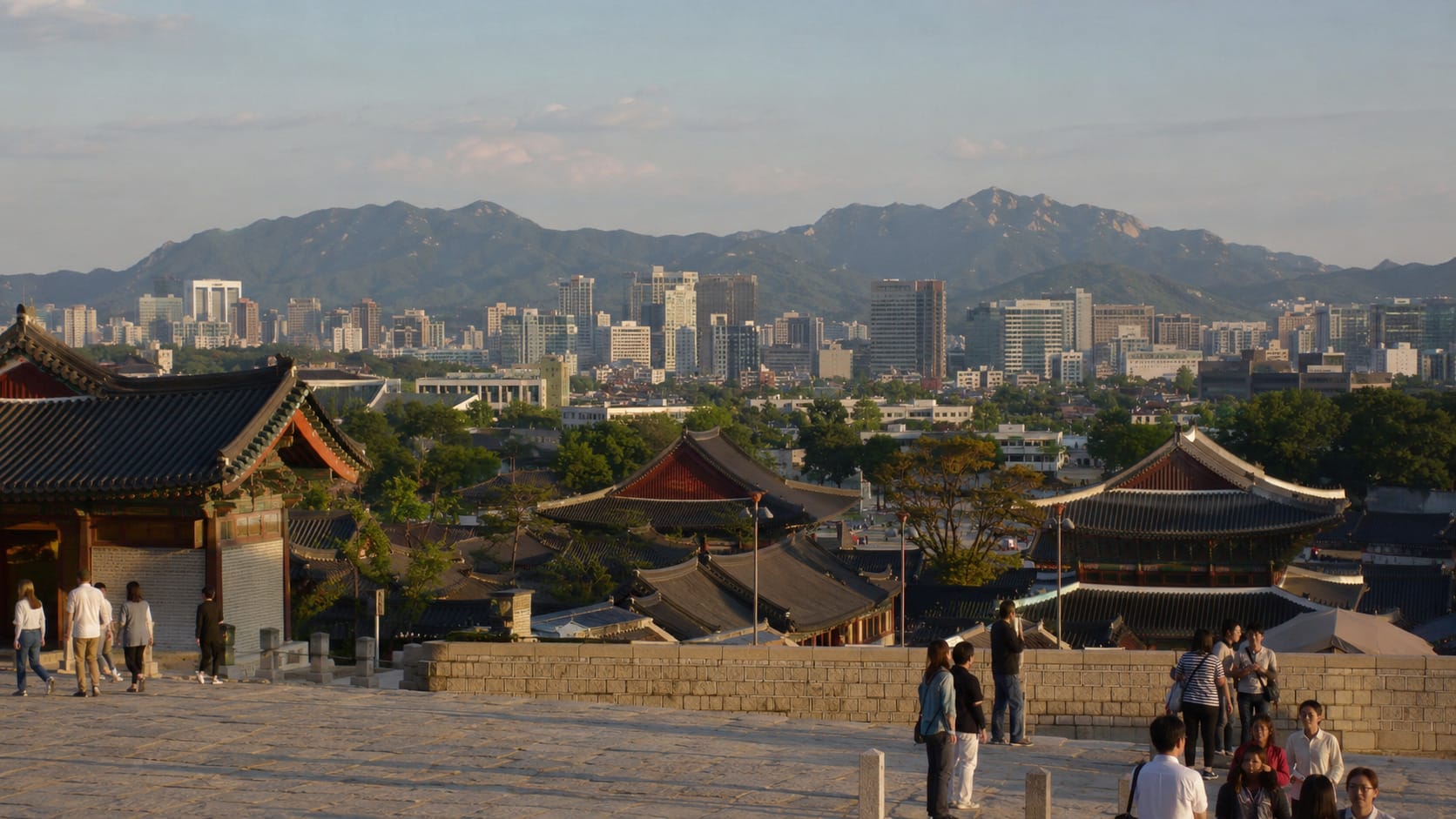
Seoul does not pause around the palace. Buses still move, office workers still hurry, and nearby neighborhoods like Myeongdong and Hongdae keep doing their loud, snack-filled city business. But inside the palace grounds, the mood changes. The courtyards open up, the crowds spread out, and Bugaksan Mountain sits quietly behind the buildings like it has seen every tourist pose ever attempted.
For many first-time visitors, Gyeongbokgung becomes one of the most memorable stops in Seoul. It is historic, photogenic, easy to reach, and close to several other major attractions. Your feet may still complain by the end of the day, but at least they will complain in a very royal setting.
Table of contents
What Is Gyeongbokgung Palace?
Gyeongbokgung Palace was built in 1395 during the Joseon Dynasty and served as the main royal palace of Korea’s kings. It is the largest and most famous of Seoul’s five grand palaces.
The name “Gyeongbokgung” is often translated with the idea of great blessing or prosperity, which feels appropriate for a palace built to represent the beginning of a new dynasty. Over the centuries, the palace was damaged, destroyed, restored, and reshaped by Korea’s complicated history. Today, many of the restored buildings, gates, ponds, and pavilions help visitors imagine the scale of royal life in old Seoul.
The palace is not just one building. It is a large complex with gates, throne halls, living quarters, museums, open courtyards, gardens, and scenic photo spots. This is why a quick 30-minute visit usually feels too rushed. Gyeongbokgung rewards visitors who walk slowly, look up often, and do not treat the palace like a photo booth with a ticket counter.
Is Gyeongbokgung Worth Visiting in 2026?
Yes, Gyeongbokgung is still absolutely worth visiting in 2026, especially for first-time travelers to Seoul.
It is popular for a reason. The palace gives you a clear sense of Korea’s royal history without requiring a complicated day trip or advanced planning. It is right in central Seoul, easy to reach by subway, and surrounded by neighborhoods that make it simple to build a full sightseeing route.
The best part is the contrast. Gyeongbokgung does not feel isolated from the city. It sits inside modern Seoul, but it creates a pocket of old Korea between busy roads, government buildings, cafes, museums, and shopping streets. That mix is very Seoul: royal architecture in one direction, iced Americano in the other.
For photographers, it is one of the easiest places in Seoul to get beautiful traditional images. For history lovers, it is one of the most important sites in the city. For casual travelers, it is simply a beautiful place to walk. For people wearing hanbok, it is basically Seoul’s most elegant outdoor stage.
Quick Visitor Information
| Item | Details |
|---|---|
| Name | Gyeongbokgung Palace |
| Korean Name | 경복궁 |
| Location | Jongno-gu, central Seoul |
| Nearest Subway | Gyeongbokgung Station, Line 3 |
| General Admission | Adults 3,000 KRW |
| Free Admission | Visitors wearing proper hanbok, children under 19, seniors 65 and over |
| Closed | Tuesdays |
| Best Visit Length | 2 to 3 hours |
| Best Time | Morning or late afternoon |
| Good Nearby Stops | Bukchon Hanok Village, Insadong, Gwanghwamun Square, National Folk Museum of Korea |
Opening hours usually change by season:
| Season | Opening Hours | Last Admission |
|---|---|---|
| November to February | 09:00 to 17:00 | 16:00 |
| March to May | 09:00 to 18:00 | 17:00 |
| June to August | 09:00 to 18:30 | 17:30 |
| September to October | 09:00 to 18:00 | 17:00 |
Hours can change for special events, public holidays, or weather-related reasons, so it is smart to check the official schedule before visiting. Palace gates are not known for negotiating with late arrivals.
Best Things to See at Gyeongbokgung Palace
Gwanghwamun Gate
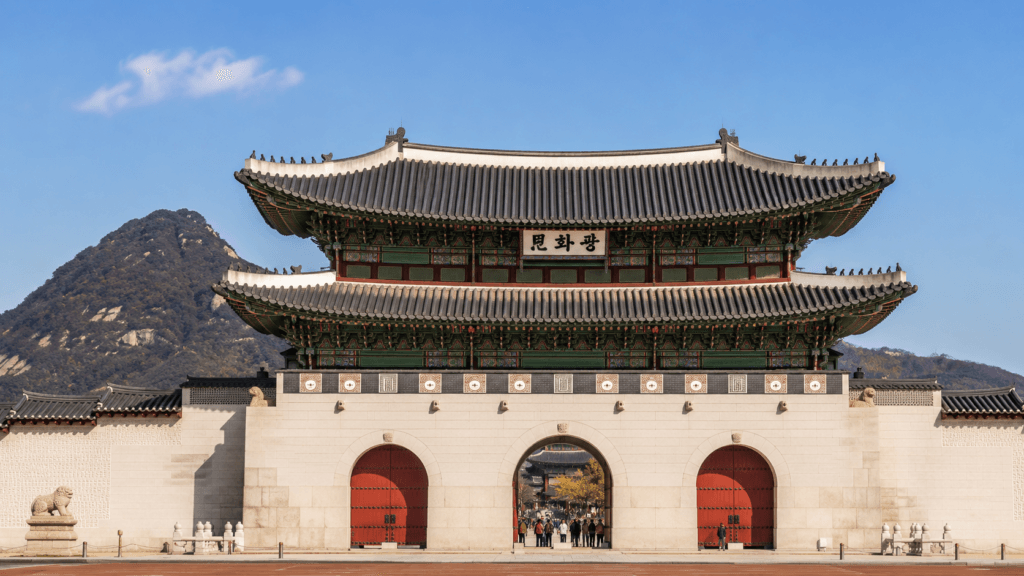
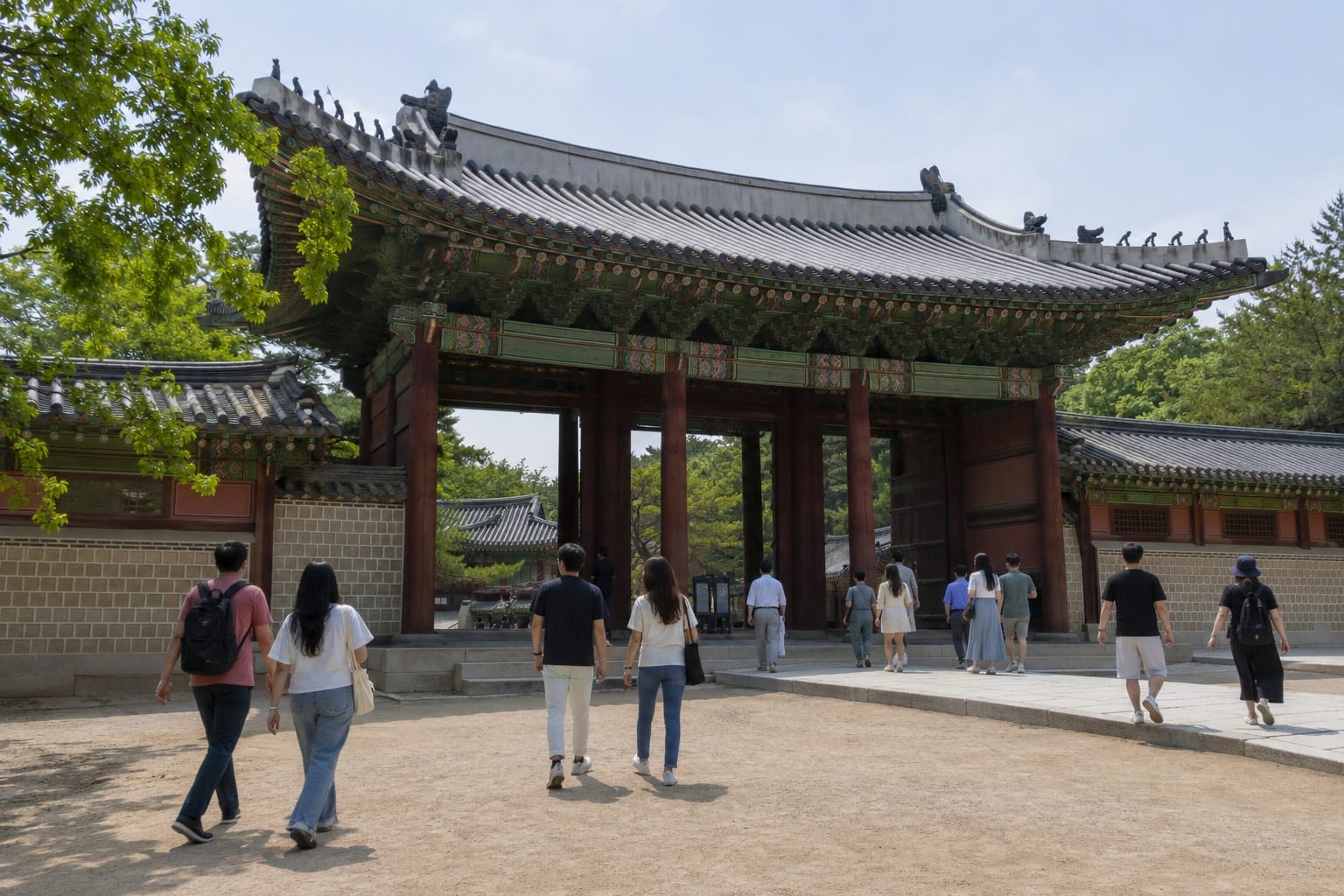
Gwanghwamun Gate is the main entrance to Gyeongbokgung Palace and one of Seoul’s most recognizable landmarks. It is the kind of place where almost everyone stops for a photo, even the people who said they were “not really taking many pictures this trip.”
The gate looks especially impressive from Gwanghwamun Square, where the wide road, palace entrance, and mountain backdrop line up beautifully. If this is your first palace visit in Seoul, start here. It gives the whole experience a proper sense of arrival.
This is also where many visitors watch the Royal Guard Changing Ceremony.
Royal Guard Changing Ceremony
The Royal Guard Changing Ceremony is one of the most popular free cultural experiences at Gyeongbokgung. The ceremony recreates the changing of the royal guards from the Joseon period, with colorful uniforms, traditional weapons, flags, drums, and a surprisingly cinematic atmosphere for something happening beside modern traffic.
The main ceremony usually takes place at 10:00 and 14:00, except on palace closing days or during bad weather. There are also shorter guard-related performances at certain times.
Try to arrive 15 to 20 minutes early if you want a good viewing spot. If you arrive at the exact starting time, you may still see the ceremony, but your photo may include more elbows than history.
Geunjeongjeon Hall
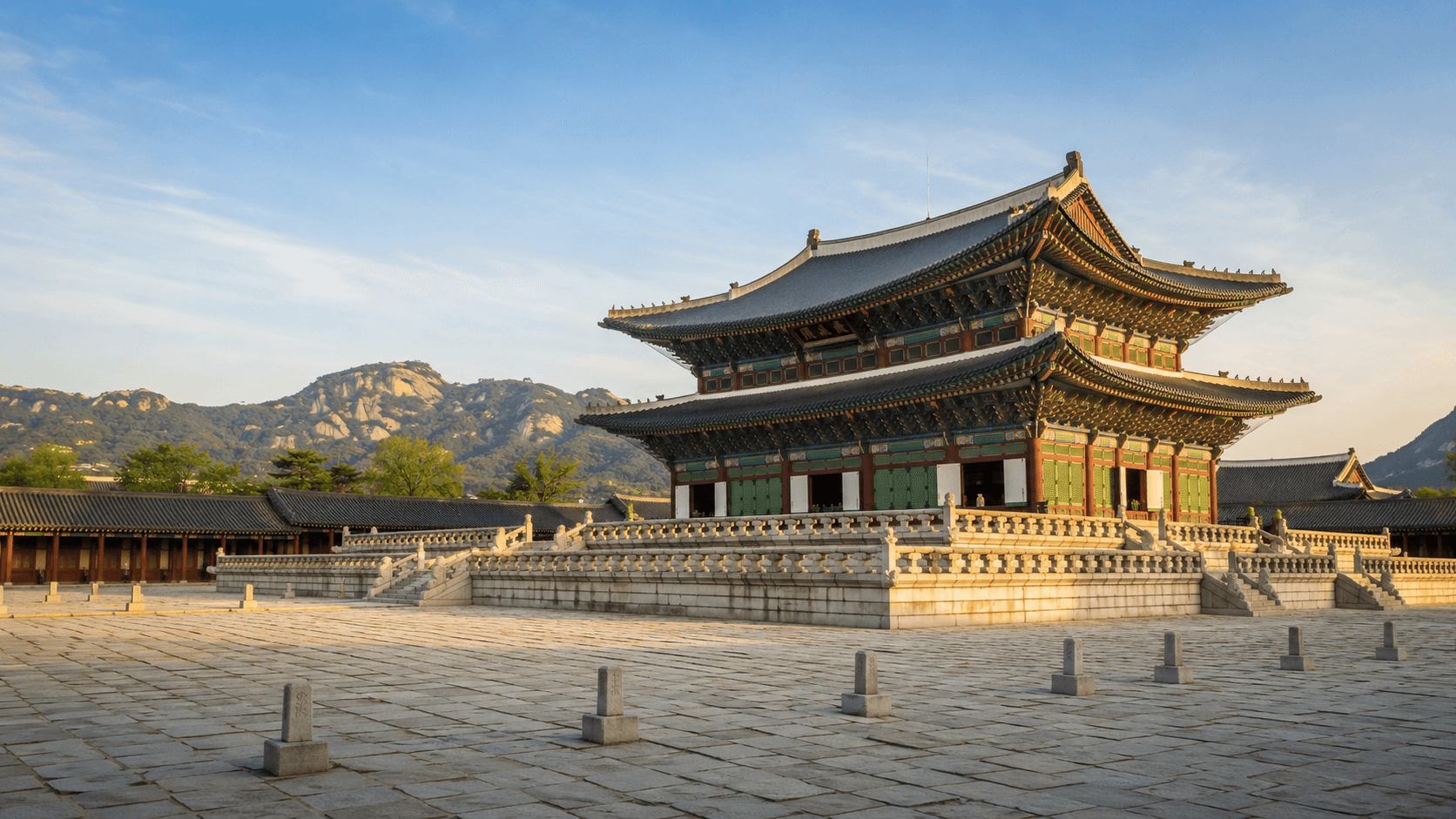
Geunjeongjeon Hall is the main throne hall of Gyeongbokgung Palace. This was where kings held important ceremonies, received officials, and handled major state events.
The building sits on a raised stone platform, giving it a formal and powerful presence. Look closely at the stone markers in the courtyard. They show where officials stood according to rank during royal ceremonies. It is a small detail, but it helps the space feel less like an empty courtyard and more like a working royal stage.
This is one of the best places to pause and imagine the palace as it once functioned, not just as a sightseeing spot.
Gyeonghoeru Pavilion
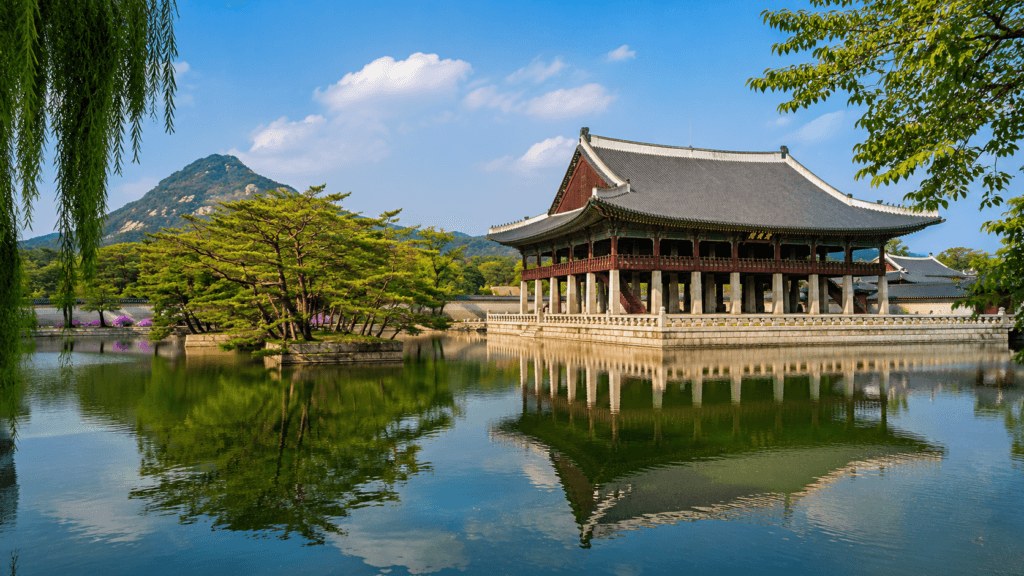
Gyeonghoeru Pavilion is one of the most beautiful areas inside Gyeongbokgung. It sits beside a large pond, and the reflection of the pavilion on the water is one of the classic images of the palace.
The mood here changes with the season. In spring, the area feels soft and bright. In summer, the greenery makes the pond feel almost hidden from the city. In autumn, the colors become warmer and more dramatic. In winter, the scene can look calm and sharp, especially after snow.
This is a strong photo spot, but it is also one of the better places to simply stand still for a moment. Seoul does not always offer that generously.
Hyangwonjeong Pavilion
Hyangwonjeong Pavilion is smaller and more delicate than Gyeonghoeru, but many visitors find it even more charming. It sits on a small island surrounded by water, connected by a bridge.
This area feels quieter and more intimate. If Gwanghwamun is the dramatic opening scene, Hyangwonjeong is the softer chapter where the palace starts whispering instead of announcing itself.
It is especially beautiful in late afternoon light, when the water, trees, and pavilion begin doing that unfairly photogenic thing travel destinations love to do.
National Folk Museum of Korea
The National Folk Museum of Korea is located within the palace grounds and is a useful stop if you want more context about Korean daily life, traditions, and culture.
It works well after exploring the main palace buildings because it helps connect royal history with everyday Korean culture. If you are traveling with family, it can also add variety to the visit. Not everyone wants to look at palace roofs for three hours, even if the roofs are excellent roofs.
Wearing Hanbok at Gyeongbokgung
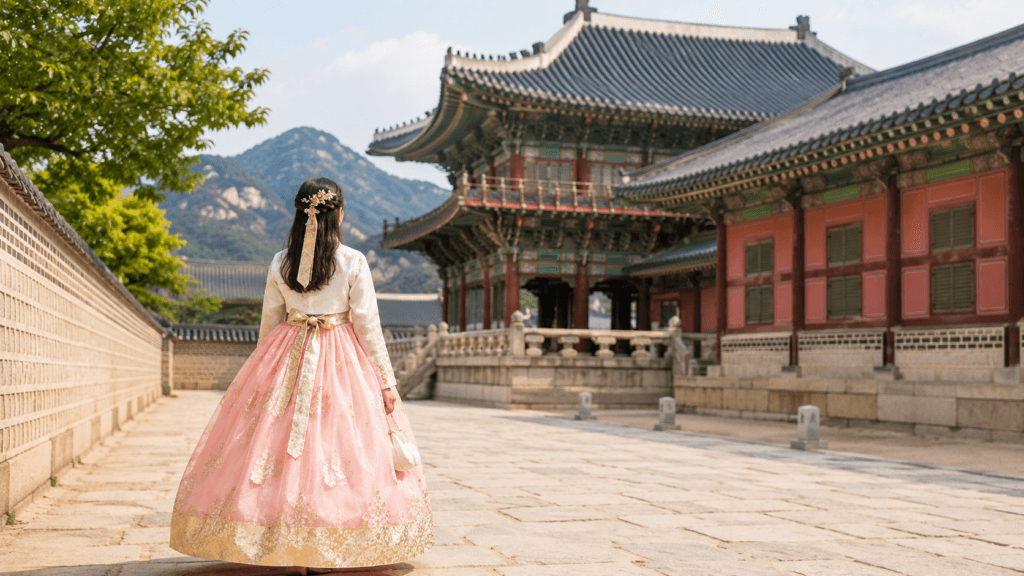
Wearing hanbok is one of the most popular things to do at Gyeongbokgung Palace. Many rental shops are located near Gyeongbokgung Station, Bukchon Hanok Village, and the streets around the palace.
Visitors wearing proper hanbok can usually enter Gyeongbokgung for free. The important word is “proper.” In general, you need to wear both the upper garment and the lower garment. Simply throwing on a robe-style outer layer over regular clothes may not qualify.
Most hanbok rental shops know the palace rules well, so tourists usually do not need to worry too much. Still, it is worth choosing a complete hanbok set rather than a half-costume situation. The palace staff have seen every shortcut. The gate does not blink.
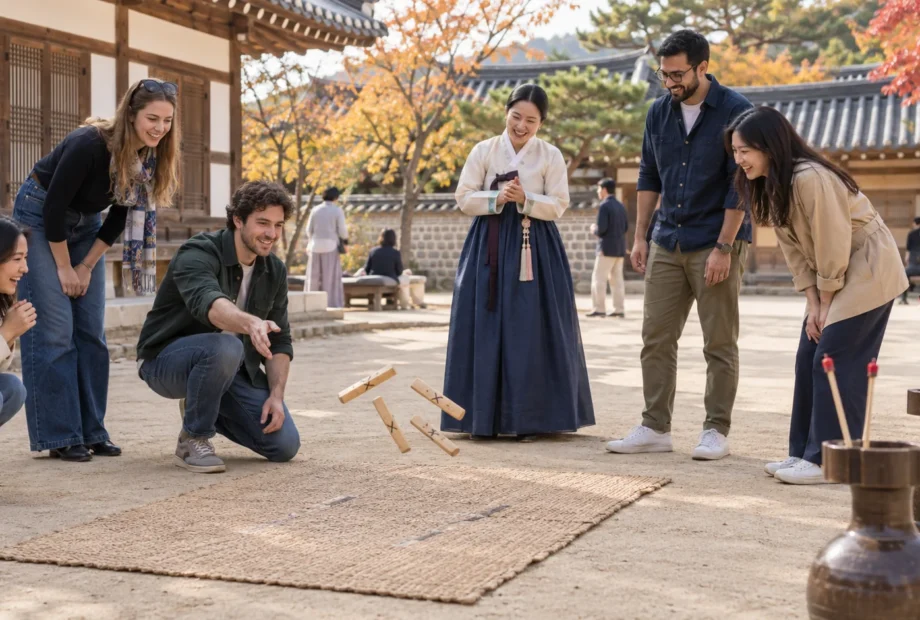
Hanbok is not required, of course. Regular clothes are perfectly fine. But if you enjoy photos, it can make the visit feel more special. The wide courtyards, wooden halls, stone walls, and mountain views all work beautifully with traditional clothing.
A good plan is to rent hanbok before entering the palace, explore Gyeongbokgung, then walk toward Bukchon Hanok Village or Insadong while still dressed up. Just remember that hanbok skirts and steep alleys are not always best friends, so move slowly.
Best Photo Spots at Gyeongbokgung
Gyeongbokgung is full of photo spots, but a few areas stand out for first-time visitors.
The front view of Gwanghwamun Gate is the classic opening shot. It works best from Gwanghwamun Square or just before entering the palace.
Geunjeongjeon Hall is ideal for wide palace architecture photos. Try standing farther back so you can capture the scale of the courtyard.
Gyeonghoeru Pavilion is best for pond reflections, especially when the water is calm. Early morning and late afternoon usually give softer light.
Hyangwonjeong Pavilion is excellent for peaceful, romantic-style photos. It is smaller, so patience helps when the area gets busy.
Side paths and walls around the palace are also underrated. The first thing many visitors notice is the grand scale, but the quieter corners often create the most natural photos. The side paths are where Gyeongbokgung stops performing and starts breathing.
Best Time to Visit Gyeongbokgung
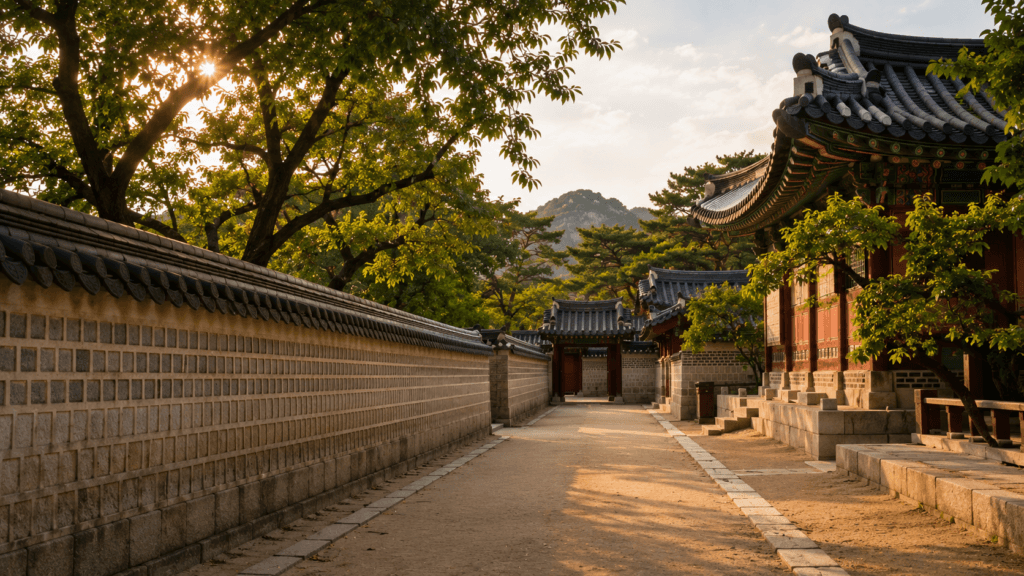
The best time to visit Gyeongbokgung is in the morning, especially if you want fewer crowds and cooler weather.
Arriving around opening time gives you a calmer experience before tour groups and hanbok photo sessions fill the most popular areas. Morning light also works well for photos around Gwanghwamun and Geunjeongjeon.
Late afternoon is another good option, especially in spring and autumn. The light becomes warmer, the palace looks softer, and the mountain backdrop feels more dramatic. Just watch the last admission time carefully.
Seasonally, spring and autumn are the most beautiful times to visit. Spring brings blossoms and mild weather, while autumn adds colorful foliage around the palace grounds.
Summer can be hot and humid, so bring water and avoid rushing. The palace has open courtyards with limited shade, and the sun can turn sightseeing into a small negotiation with your forehead.
Winter is cold, but snow at Gyeongbokgung can be magical. Palace roofs covered in snow create one of Seoul’s most memorable winter scenes. Wear warm shoes, because frozen toes are not part of the Joseon experience.
How to Get to Gyeongbokgung Palace
The easiest way to reach Gyeongbokgung Palace is by subway.
Take Seoul Subway Line 3 to Gyeongbokgung Station and use Exit 5. From there, the palace entrance is a short walk away.
You can also reach the area from Gwanghwamun Station on Line 5, especially if you want to walk through Gwanghwamun Square before entering the palace.
If this is your first time using public transportation in Korea, read How to Use the Seoul Subway Like a Local before your visit. Seoul’s subway is clean, efficient, and tourist-friendly once you understand the basics. A T-money card guide is also helpful if you plan to use buses and subways often during your trip.
From Myeongdong, the palace is easy to reach by subway or taxi. From Hongdae, subway is usually better unless traffic is unusually kind, which is not a personality trait Seoul traffic is famous for.
Nearby Attractions to Visit Together
One of the best things about Gyeongbokgung is its location. You can easily combine it with several nearby attractions.
Bukchon Hanok Village
Bukchon Hanok Village is one of the most popular places to visit after Gyeongbokgung. It is known for traditional Korean houses, narrow lanes, and scenic views over Seoul.
The walk from the palace to Bukchon is manageable, but the village has slopes. Comfortable shoes matter. This is not the day to test new footwear unless you enjoy dramatic personal growth.
Bukchon is a residential area, so keep your voice down and avoid blocking private entrances for photos.
Insadong
Insadong is a great next stop if you want tea houses, traditional crafts, souvenirs, galleries, and a slower cultural atmosphere. It pairs naturally with Gyeongbokgung because it keeps the day focused on Korean history and tradition without feeling repetitive.
This is also a good area to buy small gifts that feel more meaningful than another emergency convenience-store snack. Although, to be fair, Korean convenience-store snacks have their own tiny kingdom.
Gwanghwamun Square
Gwanghwamun Square sits right in front of the palace and is worth a short walk before or after your visit. You can see the statues of King Sejong and Admiral Yi Sun-sin, plus a wide view toward Gwanghwamun Gate.
It is a good place to understand how old and modern Seoul sit together in the same frame.
National Palace Museum of Korea
The National Palace Museum of Korea is located near the palace entrance and focuses on royal artifacts and court culture. If you want more depth after seeing the palace buildings, this museum is a good addition.
It is also helpful on very hot, cold, or rainy days when your body begins requesting indoor diplomacy.
Myeongdong and Namdaemun
After Gyeongbokgung, you can head toward Myeongdong for shopping, street food, and K-beauty stores. If you prefer a more traditional market atmosphere, Namdaemun Market is another practical option nearby.
This combination works well for first-time visitors because it gives you royal Seoul in the morning and shopping Seoul later in the day. The city changes costume quickly.
Suggested Half-Day Itinerary
Here is a simple route for first-time visitors:
Start at Gyeongbokgung Station in the morning. Enter through Gwanghwamun Gate and watch the Royal Guard Changing Ceremony if the timing works. Explore Geunjeongjeon Hall, Gyeonghoeru Pavilion, Hyangwonjeong Pavilion, and the quieter side paths.
After the palace, walk to the National Folk Museum of Korea or the National Palace Museum of Korea if you want more cultural context. Then continue toward Bukchon Hanok Village for traditional streets and photos.
Finish in Insadong for tea, snacks, souvenirs, or a relaxed meal.
This route works especially well if you are wearing hanbok, but it is also enjoyable in regular clothes. The main thing is not to rush. Gyeongbokgung and Bukchon both become better when you give them breathing room.
Suggested Full-Day Itinerary
If you want to build a full sightseeing day around Gyeongbokgung, try this route:
Begin with Gyeongbokgung Palace in the morning. Watch the guard ceremony, explore the main halls, and spend time near the pavilions. Walk to Bukchon Hanok Village before lunch, then continue to Insadong for food, tea, and souvenirs.
In the afternoon, head toward N Seoul Tower if you want a city view, or go to Myeongdong if shopping and street food sound more appealing. If you are planning a broader Seoul route, you can also connect this day with a Seoul 3-day itinerary or Seoul 5-day itinerary.
This is a classic first-time Seoul day: palace, hanok streets, traditional culture, food, shopping, and probably one moment where you wonder why your step count looks like a phone number.
Common Mistakes to Avoid
The first mistake is visiting on Tuesday. Gyeongbokgung is usually closed on Tuesdays, so check your itinerary before locking in your palace day.
The second mistake is arriving too late. Last admission is usually one hour before closing, and the palace is large enough that a rushed visit feels unsatisfying.
The third mistake is underestimating the walking. The palace grounds are wide, and nearby routes to Bukchon or Insadong add more steps. Comfortable shoes are not optional decoration.
The fourth mistake is treating the palace only as a photo spot. Photos are part of the fun, especially with hanbok, but take time to actually look at the buildings, courtyards, and mountain views. Gyeongbokgung has more personality when you stop speed-running it.
The fifth mistake is not checking the weather. Summer heat, winter cold, and rainy days can change the experience quickly. Bring water in summer and warm layers in winter.
Recommended Travel Services
This article may contain affiliate links, which means we may earn a small commission if you book through them, at no extra cost to you.
If you want the classic palace photo experience, consider booking hanbok rental near Gyeongbokgung in advance, especially during spring, autumn, weekends, and holiday periods.
For travelers who prefer more historical context, a Seoul palace walking tour can be useful. Gyeongbokgung is beautiful on its own, but a guide can help explain what the halls, courtyards, and royal rituals actually meant.
If you are arriving in Seoul soon after landing, having a Korea eSIM or SIM card ready can make navigation much easier. Searching subway exits, map routes, and rental shop locations without data is not impossible, but it does add unnecessary spice to the day.
For airport arrivals, Incheon Airport transfer options may also be helpful if you are staying around Myeongdong, Jongno, or central Seoul and want a smoother first day.
FAQ
How much is Gyeongbokgung Palace admission?
General adult admission is 3,000 KRW. Some visitors, including those wearing proper hanbok, children under 19, and seniors 65 and over, may enter for free.
Is Gyeongbokgung free if I wear hanbok?
Yes, visitors wearing proper hanbok are generally eligible for free admission. The hanbok should include both an upper garment and a lower garment. Rental shops near the palace usually provide outfits that meet the rules.
How long do I need at Gyeongbokgung?
Most first-time visitors should allow at least 2 to 3 hours. If you plan to take many photos, wear hanbok, visit museums, or combine the palace with Bukchon, give yourself more time.
What day is Gyeongbokgung closed?
Gyeongbokgung is usually closed on Tuesdays. If Tuesday is a public holiday, the closure schedule may change, so check before visiting.
What time is the Royal Guard Changing Ceremony?
The main Royal Guard Changing Ceremony usually takes place at 10:00 and 14:00. The schedule can change or be canceled due to weather or special events.
Is Gyeongbokgung better than Changdeokgung?
For first-time visitors, Gyeongbokgung is usually the easiest and most iconic palace to visit. Changdeokgung is also beautiful and is especially famous for its Secret Garden. If you have time, visiting both gives you a better feel for Seoul’s royal palaces.
Can I visit Bukchon Hanok Village after Gyeongbokgung?
Yes. Bukchon Hanok Village is within walking distance from Gyeongbokgung, and many travelers visit both on the same day. Just remember that Bukchon has uphill streets and is still a residential neighborhood.
Related Guides
If you are planning your first Seoul trip, these guides can help you build a smoother route around Gyeongbokgung:
Best Areas to Stay in Seoul for First-Time Visitors is useful if you are choosing between Myeongdong, Hongdae, Jongno, Gangnam, and other neighborhoods.
Myeongdong Travel Guide pairs well with Gyeongbokgung if you want shopping, street food, and K-beauty after your palace visit.
Bukchon Hanok Village Guide is the best next read if you want to continue the traditional Seoul route.
Insadong Travel Guide helps you plan tea houses, souvenirs, galleries, and traditional streets near the palace.
N Seoul Tower Guide is useful if you want to finish the day with a city view.
How to Use the Seoul Subway Like a Local will make the whole day easier, especially if this is your first time using public transportation in Korea.
Final Thoughts
Gyeongbokgung Palace is one of those Seoul attractions that earns its place on the first-time itinerary.
It is easy to reach, affordable, beautiful in every season, and close to several other major sights. More importantly, it gives you a moment where Seoul feels layered: royal halls in front of you, mountains behind them, and modern city life moving just outside the gate.
Visit early if you can. Watch the guard ceremony if the timing works. Wear hanbok if it sounds fun. Leave enough time to wander beyond the main photo spots.
Gyeongbokgung is not just a palace you check off a list. It is one of the best places to feel how old Seoul and modern Seoul keep sharing the same stage, even when one of them is wearing sneakers and holding iced coffee.