Introduction
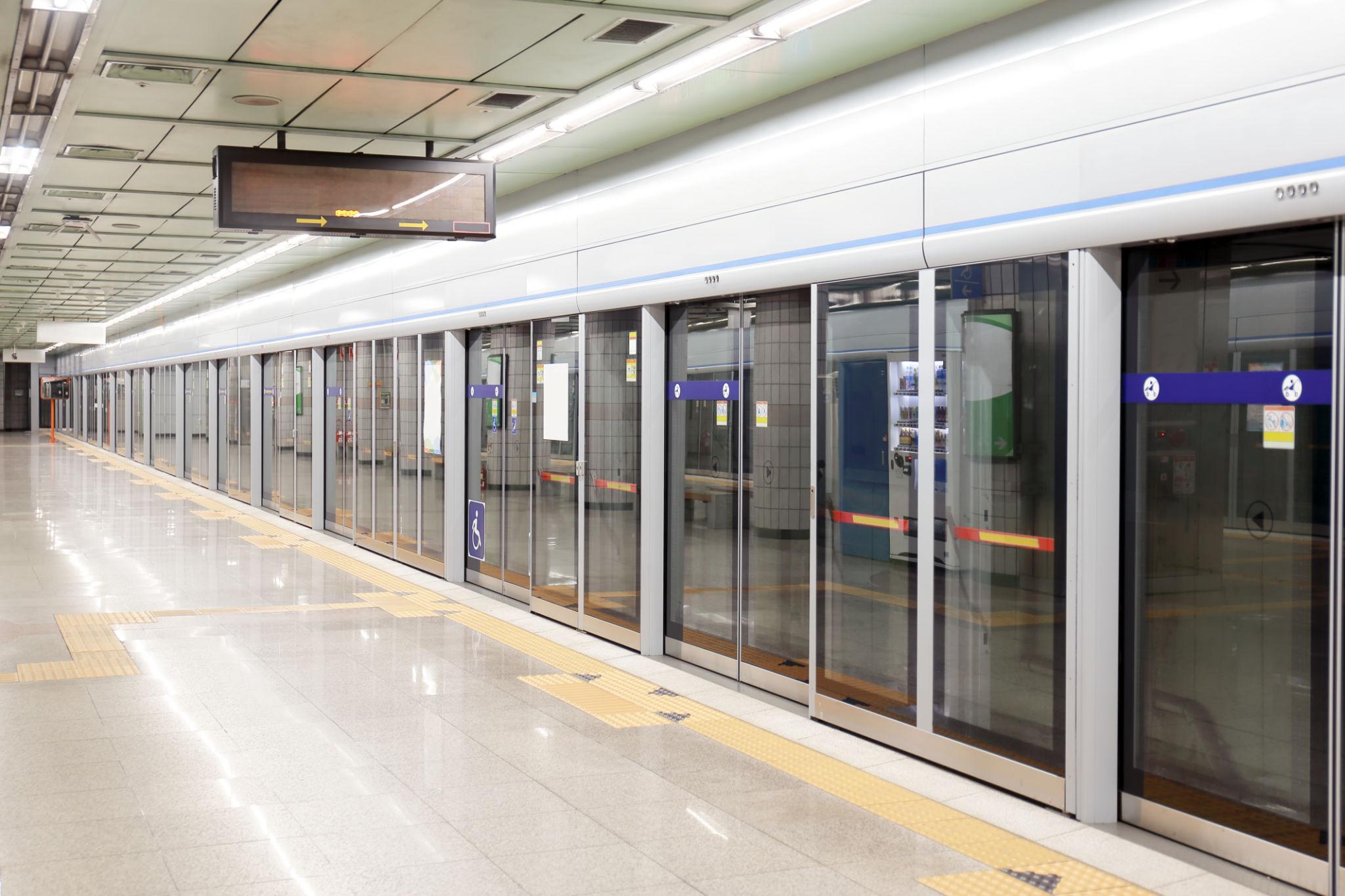
The Seoul subway system is one of the most efficient, affordable, and tourist-friendly transportation networks in the world. With over 20 interconnected lines, English station names, and easy transfers, it is the best way to explore Seoul.
Whether you’re visiting popular attractions like Myeongdong, Hongdae, Gangnam, or Dongdaemun, learning how to use the subway will save you both time and money.
In this guide, you’ll learn how to use the Seoul subway like a local, purchase a T-money card, and avoid common mistakes first-time visitors make.
Why the Seoul Subway Is the Best Way to Travel
The Seoul Metropolitan Subway connects almost every major tourist destination in the city.
Benefits include:
- Affordable fares
- Clean and safe stations
- English station names and announcements
- Fast and reliable transportation
- Convenient transfers between subway lines and buses
For most travelers, the subway is faster and cheaper than taking taxis.
Getting a T-money Card
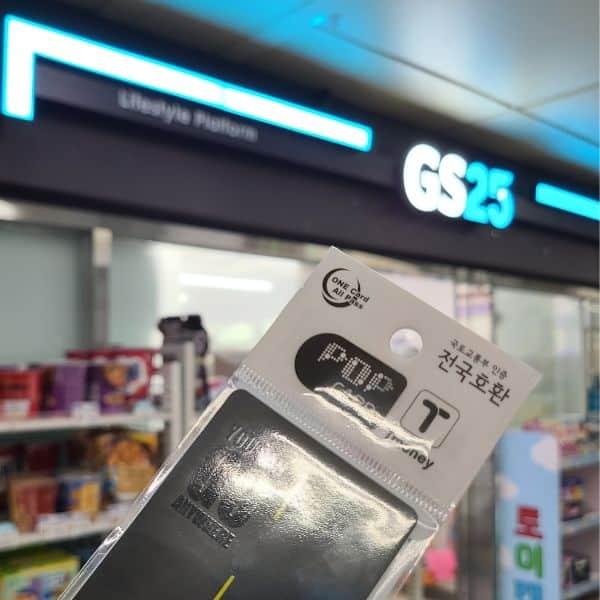
A T-money card is a rechargeable transportation card that can be used on subways, buses, and taxis throughout South Korea.
You can purchase a T-money card at:
- Convenience stores such as GS25, CU, 7-Eleven, and Emart24
- Subway station customer service centers
- Airport convenience stores
The card itself usually costs around 3,000 to 5,000 KRW.
Where Can You Recharge a T-money Card?
You can recharge your T-money card at:
- Convenience stores
- Subway station recharge machines
- Customer service centers inside subway stations
Payment Methods
When recharging a T-money card:
- Cash is accepted everywhere
- Korean credit cards are widely accepted
- Foreign credit cards may not work at some recharge locations
For this reason, carrying a small amount of Korean won is highly recommended.
Local Tip
Keep at least 10,000 KRW on your T-money card during busy travel days. This helps avoid running out of balance while transferring between subway lines or buses.
Besides public transportation, T-money cards can also be used at many convenience stores and vending machines across South Korea.
Understanding Seoul Subway Lines
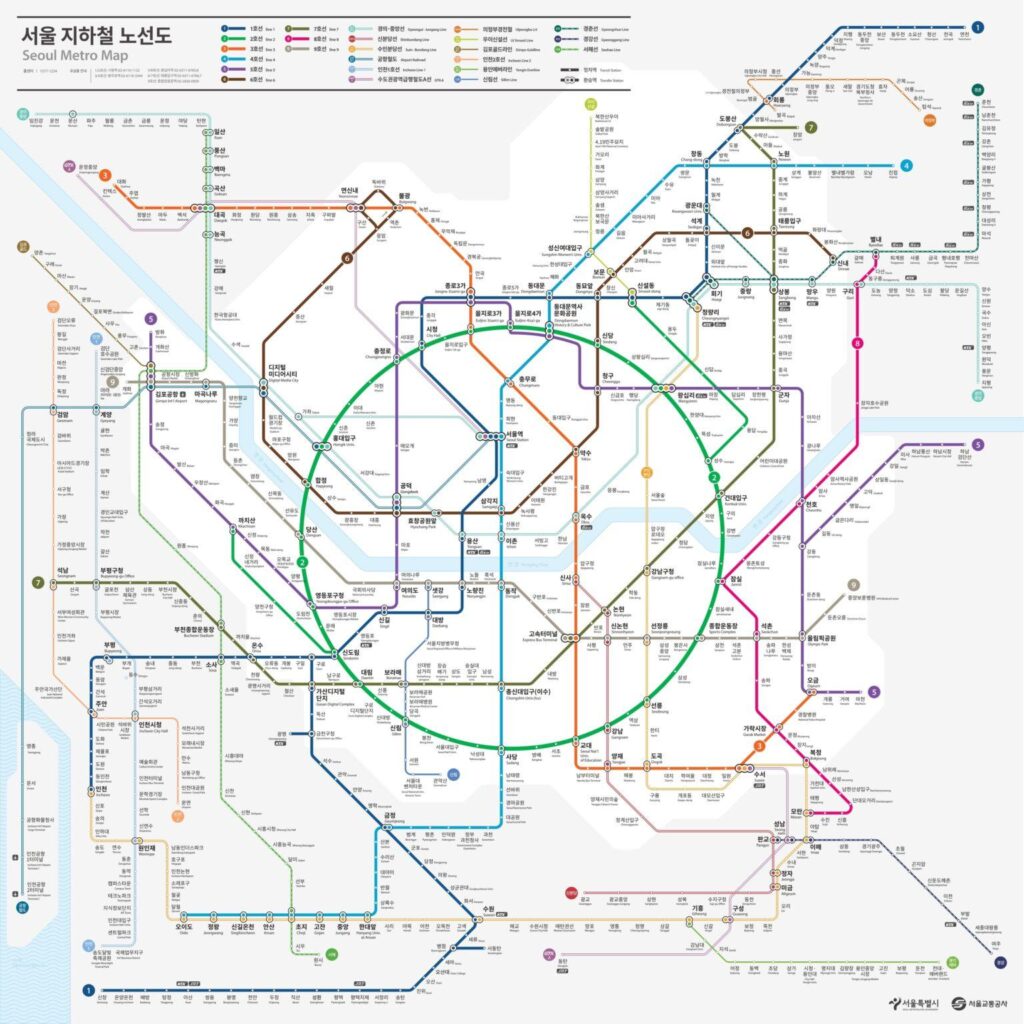
Each subway line has its own color and number.
Line 1
Connects central Seoul with nearby cities and important transportation hubs.
Line 2
The most popular line for tourists. It serves major areas such as Hongdae, Gangnam, Jamsil, and City Hall.
Line 4
Useful for visiting Myeongdong, Dongdaemun, and Seoul Station.
AREX (Airport Railroad)
Connects Incheon International Airport directly to Seoul Station.
Essential Apps for Navigation
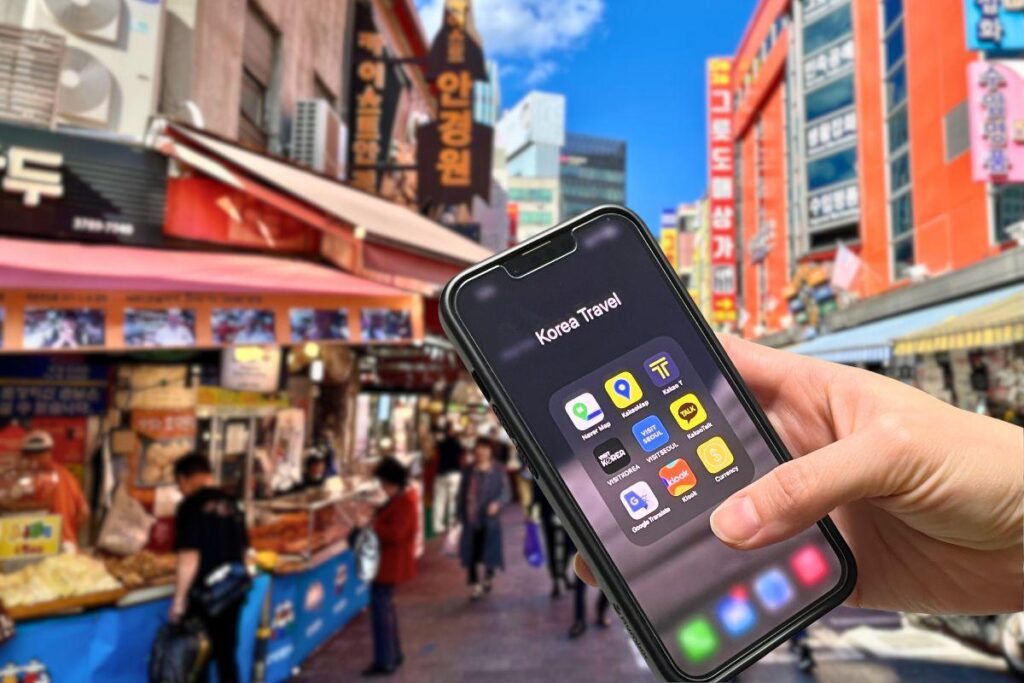
Before traveling in Seoul, consider downloading these apps:
- Naver Map
- KakaoMap
- Subway Korea
These apps provide accurate routes, transfer information, and real-time travel updates.
Seoul Subway Etiquette
To travel respectfully and comfortably, follow these simple rules:
- Allow passengers to exit before entering
- Keep phone conversations quiet
- Do not sit in seats reserved for elderly passengers
- Stand on one side of escalators when possible
Following local etiquette will make your trip more enjoyable and respectful.
Helpful Tips for First-Time Visitors
- Avoid rush hours between 7:00-9:00 AM and 6:00-8:00 PM
- Follow station signs carefully when transferring lines
- Take a screenshot of your destination in Korean for easier navigation
- Keep your T-money card easily accessible
Children under 6 years old can travel for free when accompanied by an adult.
If you are arriving in Korea through Incheon International Airport, read our guide on How to Get from Incheon Airport to Seoul before using the subway in the city.
Final Thoughts
The Seoul subway system is one of the easiest and most convenient ways to explore South Korea’s capital city. By purchasing a T-money card, understanding the major subway lines, and using helpful navigation apps, you’ll be able to travel around Seoul with confidence.
Once you get familiar with the system, you’ll discover why millions of locals rely on the subway every day.
After exploring Seoul by subway, make sure to experience another important part of Korean culture: the food.
Check out our guide to the 10 Korean foods every first-time visitor should try.
Leave a Reply